Trump Alleges Chinese Interference in 2020 U.S. Elections, Urges Investigation into Intelligence Suppression
Former President Trump claims China accessed data of 220 million U.S. voters and influenced the 2020 elections, raising concerns for American business and political security.
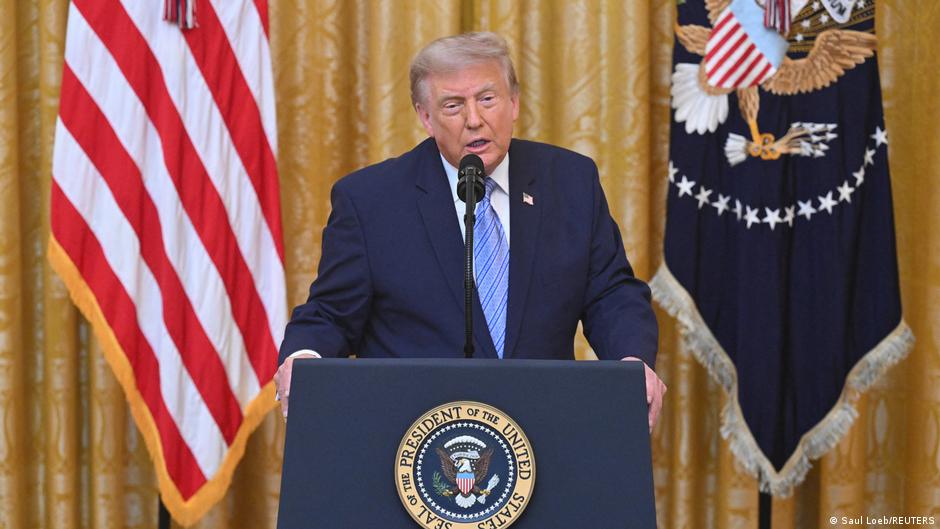
Former U.S. President Donald Trump delivered a 25-minute televised address alleging major vulnerabilities in the American electoral system and accused China of interfering in the 2020 presidential elections. Trump revealed that newly declassified intelligence indicates that China obtained personal data on approximately 220 million American voters, potentially influencing the election outcome.
Implications of Alleged Chinese Access to Voter Data
During his address late on July 17, Trump stated that China’s operation, ongoing since the 2020 election campaign, represents one of the largest known breaches of election-related data in U.S. history. The compromised information reportedly includes names, addresses, phone numbers, political affiliations, and other sensitive details. Trump emphasized that this data was either purchased, stolen, or obtained via hacking.
He also highlighted systemic weaknesses in U.S. voter registration processes, citing that nearly 278,000 non-citizens were registered to vote in four states. Trump suggested that such vulnerabilities could be exploited not only by China but also by other adversaries including Russia, Iran, North Korea, and certain non-state actors.
"China paid huge sums of money for even more negative media coverage against me," Trump claimed, accusing Beijing of attempting to sway the election against him by manipulating votes and influencing journalists.
The former president asserted that China’s motivation stemmed from his administration’s hardline stance, including imposing multibillion-dollar tariffs and plans to build a "strongest military in the world." He further accused elements within the U.S. intelligence community—the so-called "deep state"—of concealing the extent of China’s interference, thereby undermining both presidential authority and public awareness.
Trump called upon the Office of the Director of National Intelligence, the Department of Justice, the FBI, and the CIA to launch investigations into the suppression of these critical intelligence reports, demanding accountability and potential criminal proceedings against responsible parties.
These allegations carry significant implications for U.S. businesses and policymakers, as concerns over foreign interference in domestic affairs raise questions about the security of sensitive data and the integrity of democratic processes. With China viewed as a major economic competitor and geopolitical rival, American companies may face heightened risks related to cybersecurity, supply chain vulnerabilities, and regulatory scrutiny.
The revelations, if substantiated, could intensify calls within Washington to bolster election security measures and expand oversight of foreign influence operations targeting U.S. institutions and markets.



