Russia Signs Military Cooperation Deal with Taliban, Raising Concerns for US Interests
Russia's new military-technical agreement with the Taliban could impact US strategic position and complicate business in Afghanistan.
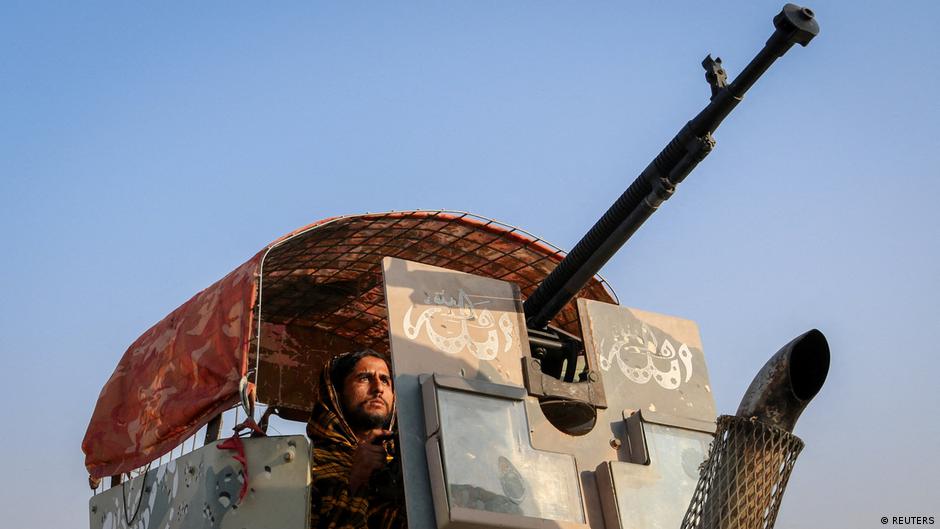
Russia has formalized a military-technical cooperation agreement with the Taliban, the radical Islamist group currently ruling Afghanistan. The deal, signed during the International Security Forum near Moscow, signals a potential pathway for the transfer of Russian weaponry and military technologies to the Taliban regime.
Implications for US Business and Strategic Interests
The agreement between Moscow and Kabul was finalized on May 27, 2024, but the document’s specifics remain undisclosed. Historically, such accords typically involve exchanges of military equipment, licenses, and joint development projects. This development is likely to raise alarms in Washington, where concerns about the Taliban’s ties to terrorism and instability in the region persist.
From an American business perspective, the deal could have several consequences. First, it may further complicate US and allied reconstruction efforts in Afghanistan, where companies engaged in infrastructure and humanitarian projects already face significant challenges. Second, it may impact defense industry dynamics, as American firms contend with a shifting geopolitical landscape where Russian arms supplies potentially strengthen groups hostile to US interests.
Despite the formal agreement, some experts characterize the arrangement as largely symbolic. Ruslan Suleymanov, a regional expert, suggested the lack of substantive foundations for serious military cooperation between Russia and the Taliban. However, even symbolic recognition elevates the Taliban’s international standing and may embolden their military capabilities indirectly.
“The agreement may be more emblematic than operational, but it reflects Moscow’s strategic recalibration in Afghanistan,” Suleymanov noted.
The meeting that led to the signing involved Sergey Shoigu, Russia’s Security Council Secretary, and Mohammad Yaqoob, Afghanistan’s Defense Minister and son of the Taliban founder. Shoigu underscored the need for Western countries to unfreeze Afghan assets and aid reconstruction efforts, signaling Russia’s interest in positioning itself as a key player in Afghanistan’s future.
The Taliban regained control of Afghanistan in 2021 following the withdrawal of US troops. In recent years, Russian President Vladimir Putin has classified the Taliban as allies in counterterrorism, and the Kremlin officially removed the group from its terrorist organization list in 2025, even accepting a Taliban ambassador in Moscow. This contrasts sharply with the stance of countries like Tajikistan, Turkey, and Canada, which continue to designate the Taliban as a terrorist entity.
For US policymakers and businesses, these developments suggest a more complex operational environment in Afghanistan. The potential expansion of Russian military influence could undermine US diplomatic efforts and challenge American companies operating in or near the region. Continued monitoring and strategic adjustments will be necessary to navigate this evolving geopolitical landscape.