Russian Attacks on Ukrainian Regions Raise Risks for US Businesses Amid Escalating Conflict
Ongoing Russian strikes on Ukrainian cities threaten regional stability, with potential implications for American companies and global markets.
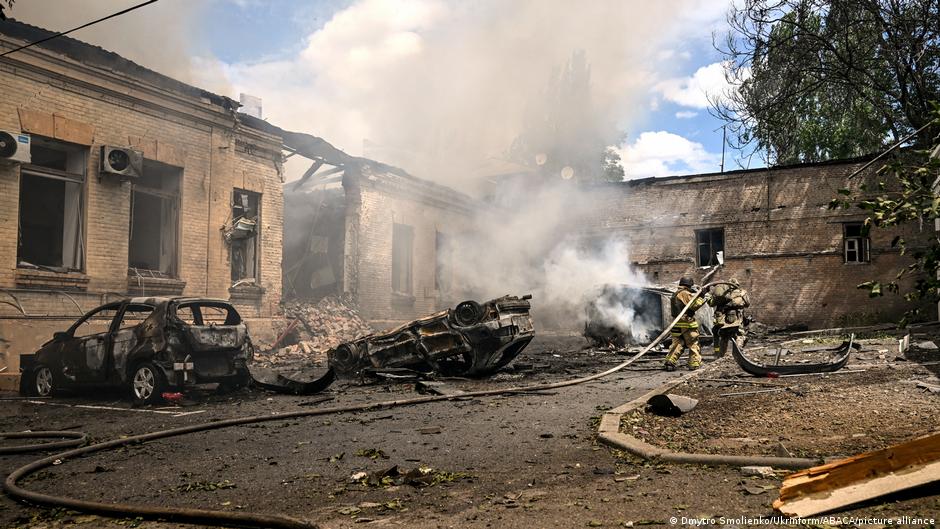
On July 5, Russian forces launched multiple airstrikes using bombs, missiles, and drones against key Ukrainian regions, including Kharkiv and Zaporizhzhia. The attacks resulted in four fatalities and 25 injuries, escalating concerns about the conflict’s impact on international business and supply chains critical to US interests.
Escalation of Attacks and Regional Impact
Throughout the day and evening, Russian military operations targeted Zaporizhzhia with two aerial bombs, damaging private homes and 35 apartments in a multi-story building. Ivan Fedorov, head of the Zaporizhzhia Regional Military Administration, reported one death and 13 injuries, including vulnerable civilians such as a 14-year-old teenager and an 89-year-old woman. Drone strike threats persisted across the region until late evening.
Additional attacks were recorded in Kherson, Izyum, Bohodukhiv, and the Chernihiv region. Early morning shelling in Kherson wounded two people, including a 44-year-old man with blast and shrapnel injuries. The widespread bombardment also destroyed a mail sorting center operated by Nova Poshta in Chernihiv, disrupting logistics and postal services critical to regional commerce.
In Bohodukhiv, located in Kharkiv Oblast, two civilians died and two more were injured due to missile strikes, as confirmed by regional authorities. Izyum also suffered a lethal missile attack, killing one person and injuring three women, while damaging a gas station and five vehicles. Kharkiv experienced two drone attacks in one day: the first striking a gas station and the second causing injuries to four people, including an 18-year-old woman, all requiring hospitalization.
"These persistent attacks not only endanger civilian lives but threaten critical infrastructure that supports both local and international commercial activities," said a regional official.
President Volodymyr Zelensky, citing Ukrainian intelligence, warned of an impending large-scale Russian offensive, following the most intense attacks since the war’s outset on July 2 which killed 31 people and injured over 100. The continuing hostilities and damage to transportation and supply nodes raise serious concerns for American companies reliant on stable supply chains in Eastern Europe.
Oleg Hryhorov, head of the Sumy Regional Military Administration, also issued warnings about potential strikes on gas stations, urging residents to avoid these facilities to minimize casualties. The disruption of fuel supply points could ripple through logistic networks, affecting energy costs and availability that US businesses and consumers may indirectly face.
Implications for US Business and Policy
The intensification of Russian attacks on Ukrainian infrastructure, including logistics hubs and energy facilities, highlights the fragility of supply chains in Europe. For US companies with exposure to European markets or supply dependencies, the conflict poses risks of increased operational costs and supply interruptions.
Moreover, these developments may influence Washington’s strategic decisions on economic support, sanctions, and military aid to Ukraine. Maintaining pressure on Russia while safeguarding global trade stability remains a delicate balancing act for US policymakers. The conflict’s trajectory could impact energy prices, commodity markets, and international investment confidence, underscoring the need for vigilant monitoring by US businesses and government agencies.