Russian Missile and Drone Strikes on Kyiv Raise Concerns for US Security and Business Interests
Russian attacks on Kyiv result in fatalities and infrastructure damage, highlighting geopolitical risks affecting American companies and NATO relations.
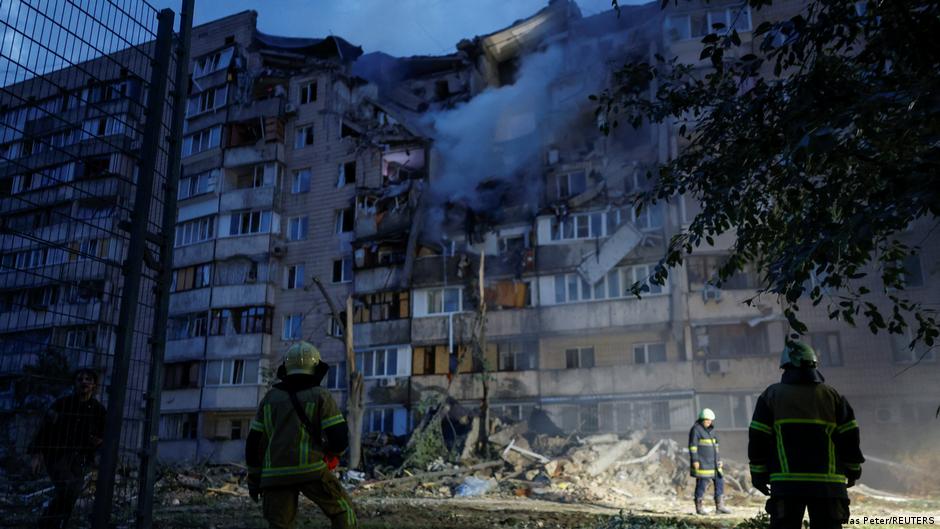
In the early hours of July 6, Russian forces launched a sustained missile and drone assault on Kyiv, the capital of Ukraine, causing multiple casualties and significant destruction. The attacks, involving ballistic and cruise missiles as well as strike drones, have escalated tensions in Eastern Europe, with potential implications for US businesses and political strategies in the region.
Impact on Civilians and Infrastructure
The Ukrainian military reported that seven people lost their lives and 24 others were injured during the strikes. Kyiv’s mayor, Vitali Klitschko, confirmed that among the wounded were two children, and 14 victims were hospitalized. Residential areas were severely affected, particularly in the Podilskyi district, where a multi-story apartment building was partially destroyed, trapping residents between the 7th and 9th floors. Emergency responders managed to evacuate 15 people, including six children and three women, from the building.
Additional damage was recorded in several districts of Kyiv, including Darnytskyi and Holosiivskyi, where residential buildings caught fire or were damaged. The Kyiv regional military administration also reported casualties and property damage in the surrounding areas, such as Bucha, Vyshhorod, and Brovary districts. Local authorities emphasized the involvement of emergency services in managing the aftermath of the assault.
Further afield, the port city of Odesa suffered damage from similar strikes, with one young man reported injured. These attacks not only disrupt civilian life but also threaten critical infrastructure that supports regional commerce and logistics.
"This kind of aggressive military activity near Ukraine’s key urban centers underscores the volatility in the region and poses risks to international economic stability," said an analyst monitoring Eastern European security developments.
Washington’s Strategic Concerns and Business Implications
Ukrainian President Volodymyr Zelensky warned of a potential mass attack on Ukraine, linking it to Russian intentions to coincide with key international events, including the US Independence Day and the upcoming NATO summit in Ankara. The timing suggests a calculated effort by Russia to challenge Western alliances and test their response mechanisms.
For Washington, these developments carry significant weight. US companies with investments or supply chains in Eastern Europe face heightened risks from the ongoing conflict, including disruptions in logistics and increased operational costs. The attacks also amplify the urgency for the US government to support NATO allies and Ukrainian defense capabilities, potentially leading to expanded military aid and stricter sanctions against Russia.
The NATO summit scheduled for July 7-8 in Turkey will likely address the escalating conflict, with discussions focused on strengthening air defense systems and reinforcing collective security measures. American defense contractors stand to see increased demand for advanced missile defense technologies, which could translate into substantial government contracts.
Furthermore, the deteriorating security environment may prompt US businesses to reevaluate their exposure to the region, potentially accelerating shifts in supply chains to mitigate geopolitical risks. Energy markets, already volatile due to the conflict, could experience further instability, impacting American firms and consumers globally.
As the situation unfolds, Washington’s policy decisions will be critical in shaping the future security landscape of Eastern Europe and the operational environment for US businesses engaged in or reliant on the region.