Russian Filmmaker’s Anti-War Appeal Silenced, Highlighting Kremlin’s Grip on Public Dissent
Kremlin spokesman refuses to relay award-winning director’s call to end Ukraine war, underscoring the suppression of millions of Russian voices.
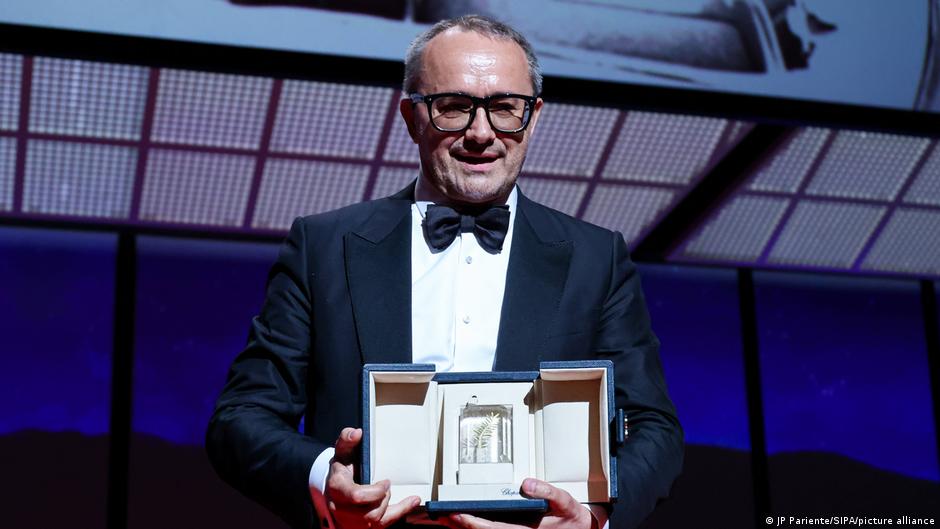
At the Cannes Film Festival, renowned Russian director Andrey Zvyagintsev delivered a poignant plea to President Vladimir Putin to end the ongoing war in Ukraine, calling it a "senseless and ruthless" conflict that brings only suffering. Despite receiving a standing ovation for his words, the Kremlin has dismissed his appeal, with spokesman Dmitry Peskov refusing to forward the message to the Russian leader. This episode sharply illustrates the Kremlin’s continuing strategy to control dissenting voices and the implications for US business and political interests.
Suppressing Internal Dissent and Its Impact on US Interests
Zvyagintsev, winner of the Cannes Grand Prix for his film "The Minotaur," addressed Putin directly during his May 23 speech, urging an immediate cessation of hostilities. "Millions of people on both sides of the contact line are longing for one thing: to stop the countless killings," he said. "The only person who can stop this slaughter is you, Mr. President of the Russian Federation. End this carnage. The whole world awaits it." His words were met with applause from the festival audience.
However, Dmitry Peskov, the Kremlin press secretary, publicly rejected the director’s appeal. Peskov claimed that Zvyagintsev never condemned the conflict initiated by Kyiv in Donbas since 2014 and therefore "has no right to voice such condemnation now." He also stated he would not hand over the appeal to Putin and doubted anyone else would. This reflects a broader Kremlin stance that silences opposition voices and disregards calls for peace, reinforcing the narrative that paints dissenters as lacking legitimacy.
Zvyagintsev himself acknowledged this marginalization, stating, "I have no voice, as do hundreds of millions of Russians today. Because you have never heard their voice." He warned that continuing the war leads only to "grief and tears, disappointment and depressive apathy," and risks the destruction of a generation needed to rebuild the country.
"All that would be right, rational, and even salvific now for the whole country is to stop talking and start acting here and now: to end this senseless and merciless war," Zvyagintsev said.
For Washington, this episode underscores several critical considerations. First, it highlights the Kremlin’s firm grip on political discourse within Russia, restricting any meaningful internal opposition that could pressure Putin to alter course. This reality complicates US diplomatic efforts to encourage de-escalation and peace talks, as domestic Russian dissent is effectively muted.
Second, prolonged conflict and Kremlin suppression of anti-war voices have direct consequences for American businesses operating in or with Russia. International sanctions and geopolitical instability stemming from the war continue to disrupt supply chains, energy markets, and investment prospects. The Kremlin’s unwillingness to heed internal or external calls for peace increases the likelihood of sustained volatility, affecting US companies’ bottom lines.
Lastly, the Kremlin’s narrative framing dissenters as lacking "the right to speak" reinforces an authoritarian environment that can make future engagement and dialogue more challenging. For policymakers in Washington, understanding these dynamics is essential for crafting strategies that balance pressure on Moscow with support for those seeking change inside Russia.
In summary, the Kremlin's refusal to acknowledge the anti-war message of a globally recognized cultural figure not only silences millions of Russians but also signals persistent risks for international stability and US economic interests. As the conflict endures, US stakeholders must remain attentive to the domestic political landscape in Russia and its implications for broader geopolitical and business environments.