Russian Missile Strike Damages Kyiv’s Chernobyl Museum and Cultural Sites, Impacting Ukraine’s Recovery
The recent Russian attack on Kyiv destroyed 40% of Chernobyl Museum exhibits, raising concerns about cultural preservation amid escalating conflict.
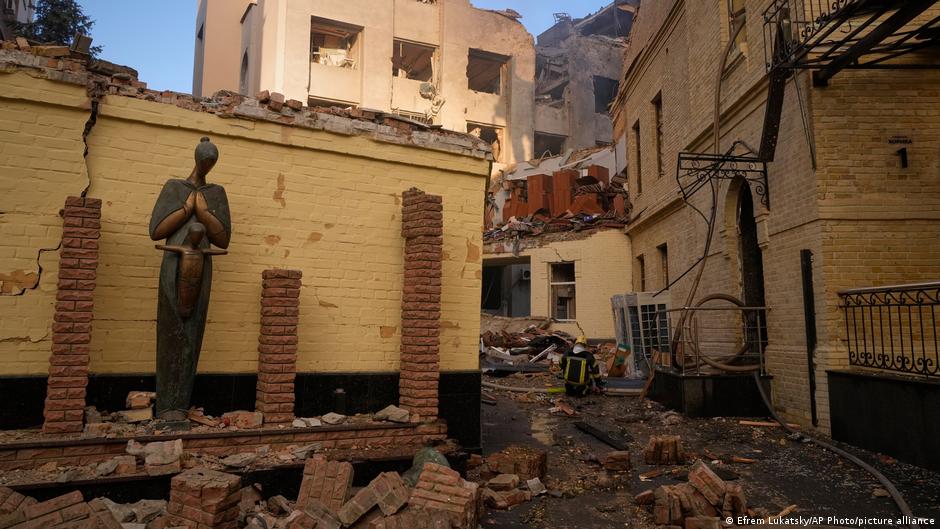
In a significant escalation of the ongoing conflict, Russian forces launched a massive missile and drone attack on Kyiv in the early hours of May 24, damaging critical cultural institutions including the National Museum "Chernobyl". The museum, which commemorates the 1986 nuclear disaster, suffered damage to its building and lost approximately 40 percent of its exhibits, according to Ukrainian authorities.
Impact on Cultural Heritage and Broader Implications
The National Museum "Chernobyl" had just reopened after extensive renovation in late April. However, the recent bombardment inflicted severe damage to the museum’s infrastructure, causing fires and partial ceiling collapses. Ukrainian emergency services and museum staff managed to evacuate certain valuable items such as artwork by Maria Prymachenko and the Ukrainian flag raised at the Chernobyl site after its 2022 liberation, but the loss remains substantial.
"Russian missiles continue to destroy residential buildings and critical cultural landmarks, undermining Ukraine's resilience," commented Ukrainian President Volodymyr Zelensky on the attacks.
Beyond the Chernobyl Museum, the bombardment marked the most destructive cultural assault on Kyiv since the war began. Other affected sites include the National Art Museum, National Philharmonic, National Music Academy, Yaroslav Mudry Library, and the Kyiv Opera. Several historic architectural monuments and cultural venues such as the Hinaus cultural center and Ukrainian House also sustained damage.
From a security standpoint, this attack utilized a combination of 90 missiles and 600 drones targeting Kyiv and Bila Tserkva in the Kyiv region. Notably, Russia deployed the "Oreshnik" medium-range ballistic missile for the third time since the invasion began, striking military and industrial sites as claimed by the Russian Defense Ministry. Ukrainian military sources report damage to non-military facilities including a garage cooperative and commercial properties in Bila Tserkva.
The assault resulted in four confirmed civilian deaths and over 80 injuries in Kyiv and its surroundings, underscoring the human toll of such attacks on urban centers. Damage to infrastructure also extended to offices of German media outlets Deutsche Welle and ARD, as well as residential buildings and shopping centers.
Implications for U.S. Businesses and Policy
For American companies operating in Ukraine or reliant on its stability, the increased targeting of Kyiv’s infrastructure and cultural landmarks signals a worsening security environment. The destruction of key cultural institutions—symbols of national identity and resilience—may complicate efforts to stabilize the country and restore normal economic activities.
These attacks could also ripple into global supply chains, especially in sectors involving Ukrainian exports or those connected to the defense and humanitarian assistance industries. The destruction of cultural sites and civilian infrastructure may prompt enhanced U.S. government support and policy initiatives aimed at bolstering Ukraine’s reconstruction and security capabilities.
As the conflict escalates, American policymakers and business leaders face the challenge of balancing support for Ukraine against the risks posed by intensified Russian aggression. The targeting of civilian and cultural sites raises concerns about broader destabilization efforts that could impact regional security and economic interests.