Russian Official Predicts Prolonged War Impacting Generations Amid Security Strikes
Advisor to Rosneft chief Sechin warns of decades-long war and biowarfare threats, highlighting risks for energy infrastructure and US business interests.
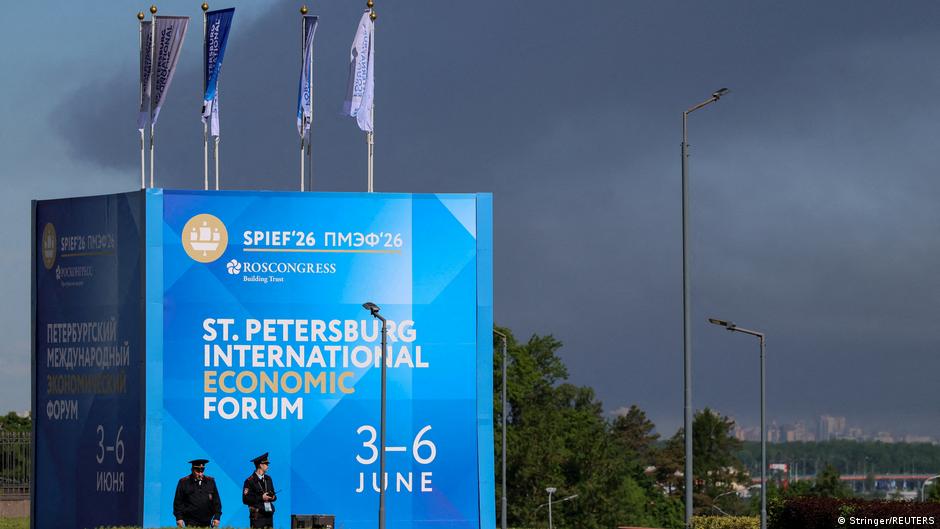
Russia is likely to remain in a state of conflict for "perhaps a couple of decades," according to Andrey Bezrukov, a political analyst and advisor to Igor Sechin, head of the Russian oil giant Rosneft. Speaking at the St. Petersburg International Economic Forum (SPIEF) on June 3, Bezrukov outlined a bleak outlook for the country's future, stressing the emergence of "two generations practically considered at war."
Long-Term Conflict and National Resilience
Bezrukov suggested that the ongoing war may oscillate between intense fighting and a prolonged, creeping conflict extending even into other regions. He emphasized the necessity for Russia to realign its state and economic structures to accommodate not only developmental goals but also sustained defense needs.
"We need to learn to live with this war," Bezrukov said, underscoring the endurance required of Russian society.
He further warned of an emerging biowarfare threat, claiming that technologies have been developed capable of producing viruses that could potentially exterminate entire populations. This rhetoric aligns with longstanding Kremlin propaganda narratives alleging that biological laboratories in Ukraine are engaged in producing "ethnic weapons," claims widely disputed by expert analysis.
Bezrukov's background as a former Soviet and Russian intelligence officer adds weight to his statements. He served as a colonel in Russia's Foreign Intelligence Service (SVR) and operated covertly abroad under the alias "Donald Heathfield" until his 2010 arrest in the United States. Following a high-profile spy swap, Bezrukov and his wife returned to Russia, while their children retained Canadian citizenship, distancing themselves from their parents' espionage activities.
Recent Security Incidents and Implications for Energy and Business
The grim forecasts coincided with an intense drone attack overnight on June 3 against St. Petersburg and the surrounding Leningrad region. The assault involved dozens of unmanned aerial vehicles, triggering explosions and visible plumes of smoke over the city. Authorities reported casualties and significant damage, including a fire at the St. Petersburg oil terminal—one of Russia's largest oil transshipment hubs in the northwest.
In addition, residential buildings near the Gulf of Finland sustained damage, and disruptions to mobile internet connectivity were widespread across the city. The local airport, Pulkovo, implemented a contingency plan, resulting in numerous flight delays and cancellations.
These developments raise concerns about the security and stability of critical infrastructure in Russia, with potential ripple effects on global energy markets. Given Rosneft's prominent role in supplying oil to international markets, the prolonged conflict and targeting of energy facilities could exacerbate supply uncertainties and price volatility, directly impacting American energy companies and consumers.
From a Washington perspective, Bezrukov's comments and the ongoing attacks underscore the challenges US policymakers face in calibrating responses to Russia's protracted conflict stance. The possibility of Russia maintaining a war footing for decades necessitates long-term strategic planning, including safeguarding American commercial interests and reinforcing energy security.
Moreover, the invocation of biowarfare threats reflects an escalation in psychological and information warfare that may complicate diplomatic efforts. US businesses operating in or with Russia must remain vigilant about evolving risks, including disruptions to supply chains, sanctions enforcement, and geopolitical instability.
As the situation develops, monitoring Russia's internal adjustments to a war economy and potential expansion of hostilities remains crucial for anticipating impacts on global markets and security dynamics.