Russian Strikes Kill Two in Ukraine, Disrupt Power and Auto Supplier
Attacks across Ukrainian regions damaged homes and critical infrastructure while halting work at a German-owned automotive supplier.
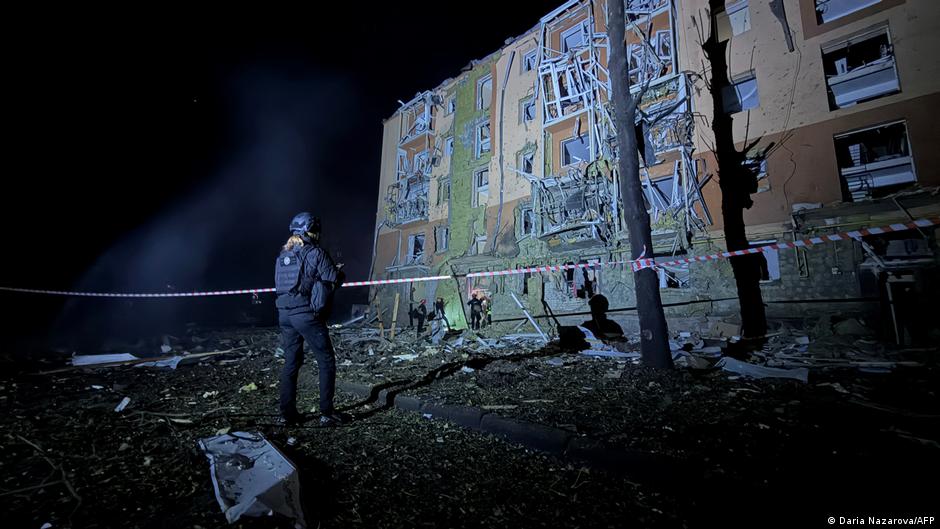
Russian drone and missile attacks across several Ukrainian regions killed two people, injured others and disrupted electricity supplies late Saturday, October 17, and overnight into Sunday, according to local authorities. The strikes also halted operations at a German-owned automotive components plant, highlighting the continuing risks the war poses to civilians, energy systems and international manufacturers operating in Ukraine.
For Washington, the attacks reinforce two connected policy challenges: maintaining Ukraine’s ability to defend cities and infrastructure while limiting the commercial fallout for Western companies and supply chains. American businesses do not need to be directly struck to feel the consequences. Damage to power networks, transportation links or suppliers can interrupt production, raise operating costs and complicate decisions about investment and reconstruction.
Deaths and injuries reported across three cities
One person was killed and four others were injured in an evening drone attack on Poltava, regional military administration chief Vitaliy Diakivnych wrote on Telegram. Four private homes in the city were damaged, along with five more in the Tereshky rural community.
In Zaporizhzhia, a drone struck a multistory residential building overnight, according to regional military administration chief Mykhailo Semykin. A 27-year-old woman was killed, and another woman was injured.
Three people were hurt when Russian forces used ballistic weapons against two districts of Kharkiv on Saturday evening, Mayor Ihor Terekhov said. The head of the Kharkiv regional military administration said two men, ages 66 and 42, were wounded in the Slobidskyi district and taken to a hospital. A 26-year-old woman was injured in the city’s Osnovianskyi district.
The accounts from local officials indicate that the attacks combined drones and missiles and affected communities spread across a broad section of the country. The reported damage ranged from private homes and an apartment building to electricity and other critical infrastructure.
Power instability adds pressure on businesses
In the Vinnytsia region, an attack caused damage to critical infrastructure and triggered emergency electricity outages, regional military administration chief Natalia Zabolotna said on Telegram.
“In the near future, the situation with electricity supply will remain unstable,” Zabolotna said.
In the Chernihiv district of the region bearing the same name, 19,000 customers were left without power after the evening strikes, representatives of local electricity supplier Chernihivoblenergo said. Critical infrastructure in Dnipro was also attacked, according to regional military administration chief Oleksandr Hanzha.
Unstable electricity supplies can have consequences beyond the immediate blackout area. Manufacturers depend on predictable power for machinery, quality control and delivery schedules, while logistics operators and service companies need functioning communications and transport infrastructure. For US companies with Ukrainian vendors or customers, repeated outages can translate into missed deadlines, higher contingency expenses and greater demand for backup energy systems.
The damage also bears on the debate in Washington over continued support for Ukraine. Air-defense assistance is often discussed primarily in military terms, but attacks on electricity networks and industrial facilities give the issue a direct economic dimension. Protecting infrastructure affects whether Ukrainian businesses can operate, whether foreign companies can retain workers and whether future rebuilding requires more extensive public and private financing.
German auto supplier suspends operations
In Lutsk, a plant operated by German company Kromberg & Schubert suspended work after a strike. The company produces electrical wiring systems for vehicles, placing the attack within an industry whose supply chains frequently cross national borders.
Russia’s Defense Ministry said the facility was targeted because it was used for “the repair of automotive equipment in the interests of the Armed Forces of Ukraine.” The source account provided no independent evidence supporting that explanation.
The shutdown is especially relevant to manufacturers and investors assessing exposure to Ukraine. Even when a plant belongs to a European company, an interruption can affect customers and partners elsewhere, including businesses connected to the North American automotive market. The precise commercial impact of the suspension was not immediately detailed, but the incident illustrates how military strikes can create operational risk for civilian industrial facilities and their international networks.
For US policymakers, the bottom-line question extends beyond the amount and timing of security assistance. Continued attacks on homes, energy assets and foreign-owned factories may influence sanctions policy, export controls, investment guarantees and planning for Ukraine’s reconstruction. They may also shape how American companies evaluate insurance, supplier diversification and the cost of entering or remaining in the Ukrainian market.
The latest strikes left two people dead in Poltava and Zaporizhzhia, injured residents in Poltava, Zaporizhzhia and Kharkiv, damaged critical infrastructure in several regions and disrupted electricity for thousands. Their combined effect underscores the overlap between battlefield strategy, civilian protection and the commercial risks confronting Western businesses tied to Ukraine.