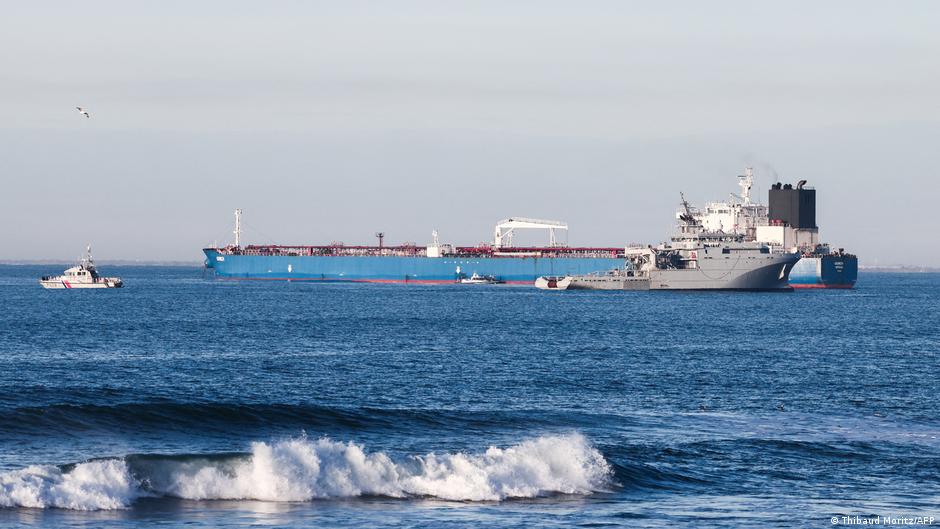
Russian Strikes on Ukrainian Port and Energy Infrastructure Raise Risks for US Business Interests
Russian attacks damage Ukrainian port and energy facilities, disrupting supply chains critical to US companies and global markets.
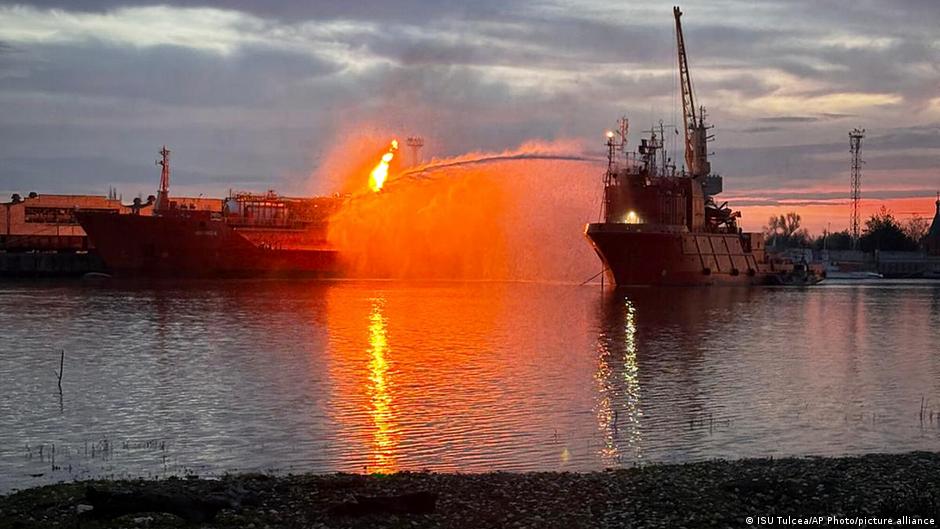
Recent Russian missile and drone strikes targeting Ukrainian port infrastructure and energy facilities have heightened concerns among US businesses and policymakers about supply chain disruptions and geopolitical risks affecting American economic interests.
Damage to Key Ukrainian Infrastructure
On the night of May 19, Russian armed forces launched air attacks on the port city of Izmail in Ukraine’s Odessa region. Local authorities reported damage to port infrastructure, though no significant casualties or destruction were confirmed. Emergency services quickly responded to contain the fallout. Most of Russia’s aerial weapons were intercepted and destroyed over open territory outside populated areas.
Concurrently, the Ukrainian state energy company Naftogaz confirmed that Russian forces carried out sustained drone attacks and ballistic missile strikes targeting its oil and gas infrastructure in the Dnipropetrovsk region on May 17 and 18. The company reported damage and destruction to some facilities but no casualties among personnel.
Additional attacks targeted Naftogaz infrastructure in the Poltava region in the previous week, signaling a pattern of intensified strikes on Ukraine’s energy sector.
Drone Attacks in Kharkiv and Expanding Conflict Zones
In Kharkiv, Mayor Ihor Terekhov announced drone strikes on the Novobavarsky and Kholodnogorsky districts, including damage to civilian infrastructure and residential homes. Rescue operations are ongoing with some residents still potentially trapped under debris.
These attacks come amid reports that Ukrainian forces have expanded their drone operations into Russian territory, including major cities in the Ural region. According to Bloomberg, Ukrainian drones now threaten approximately a quarter of Russian territory, home to over 70 percent of Russia’s population.
"Russian assaults on Ukraine’s port and energy infrastructure risk disrupting critical supply chains supporting global markets, raising concerns for US businesses reliant on stable energy and commodity flows."
Implications for US Businesses and Policy
The strikes on Ukrainian ports and energy infrastructure could further destabilize supply chains for commodities such as grain, oil, and natural gas, impacting US companies engaged in trade and manufacturing. Disruptions in Ukrainian exports risk contributing to global commodity price volatility, which could affect inflation and operational costs for American businesses.
Moreover, the escalating use of drones and ballistic missiles signals a broader intensification of the conflict, increasing geopolitical risks in the region. US policymakers may face heightened pressure to support Ukraine’s defense capabilities, including counter-drone technologies, while balancing economic sanctions and energy security concerns.
As the situation evolves, American companies with exposure to Eastern European markets should closely monitor developments, assess potential supply chain vulnerabilities, and consider contingency measures to mitigate risks stemming from the conflict.