Suspected Russia-Linked Arson at Polish Starlink Site Raises US Risks
The investigation highlights potential threats to US-owned communications infrastructure supporting European security and commerce.
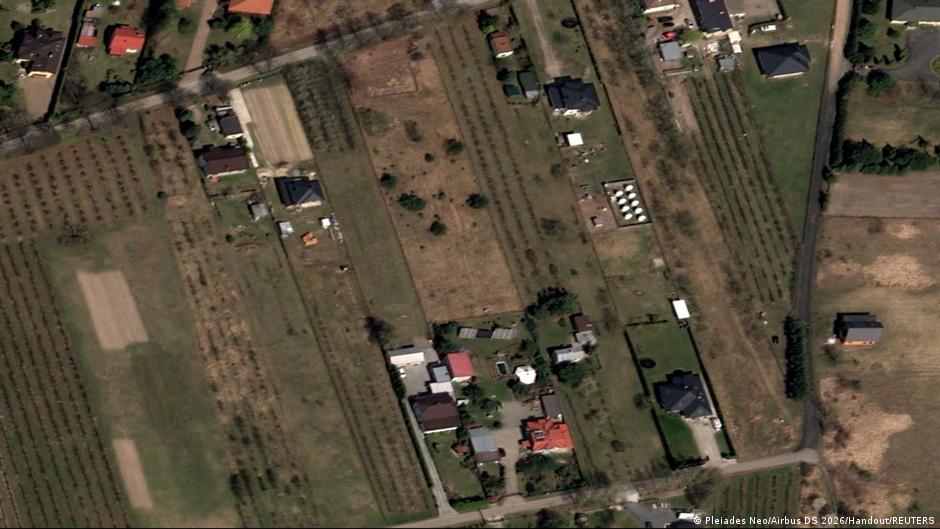
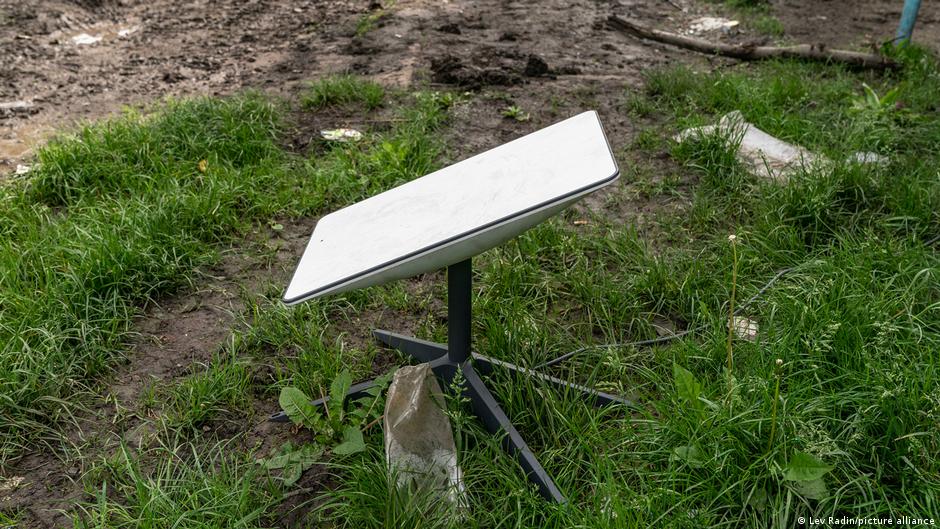
A suspected arson attack on a Starlink ground station near Warsaw is drawing scrutiny over the security of US-owned communications infrastructure in Europe, with German media reporting that a Turkish criminal organization may have acted at the direction of Russian intelligence services.
The Turkish group known as the Daltons may have been involved in setting fire to the satellite communications facility, German magazine Der Spiegel reported on Friday, October 16, citing sources in several countries. The organization has for years engaged in extortion, arms trafficking and contract killings, including criminal activity in Germany, according to the report.
The allegations have not been proven, and Polish authorities have yet to present direct evidence linking Russia to the fire. Still, the case carries potentially significant implications for Washington, NATO governments and American companies operating critical infrastructure across Europe. Starlink is controlled by SpaceX, the US aerospace and communications company, and its network has become an important component of connectivity and resilience in the region.
German arrests widen the investigation
Two Turkish citizens detained on October 12 in Nürtingen, Germany, as part of the arson investigation were identified by Der Spiegel as 38-year-old Ümit E. and 34-year-old Müslüm T. Representatives of several security agencies told the magazine that the men either belong to the Daltons or carried out assignments for members of the organization.
The Higher Regional Court in Stuttgart is expected to decide soon whether the two suspects should be extradited to Poland. Their arrests underscore the cross-border character of the investigation, which now involves suspected operatives in Germany, an attack site in Poland and possible links extending to Russia and Turkey.
Two additional people, including a woman, were detained on October 13 in connection with the investigation. Polish radio station RMF FM reported that an anti-terrorism operation was conducted in Berlin to capture the woman. Investigators preliminarily believe she may have provided logistical assistance to the Turkish citizens and served as their driver.
Alleged Russian connection remains unproven
Der Spiegel reported that the Daltons may have acted on instructions from Russian intelligence services. In examining that possibility, the magazine pointed to the detention of the group’s alleged leader, Beratcan Gökdemir, in Russia in 2024.
Turkey requested Gökdemir’s extradition, but Russian authorities did not hand him over to Ankara. According to Der Spiegel, German intelligence agencies believe Moscow may have protected him in expectation of receiving services in return. His current whereabouts are unknown.
Polish officials characterized the fire as an attempted act of sabotage immediately after the incident. Deputy Prime Minister Krzysztof Gawkowski cautioned that Russia’s involvement had not been directly established, while saying the attack appeared consistent with Moscow’s evolving methods.
“Many signs indicate that what happened corresponds to a new Russian doctrine of conducting attacks,” Gawkowski said on September 23.
That assessment, while not proof of Russian responsibility, fits broader Western concerns that state actors could use criminal networks or intermediaries to target infrastructure while preserving a degree of deniability. Such tactics could complicate attribution, prosecution and decisions about whether an incident warrants a national-security response.
Business stakes for SpaceX and other US companies
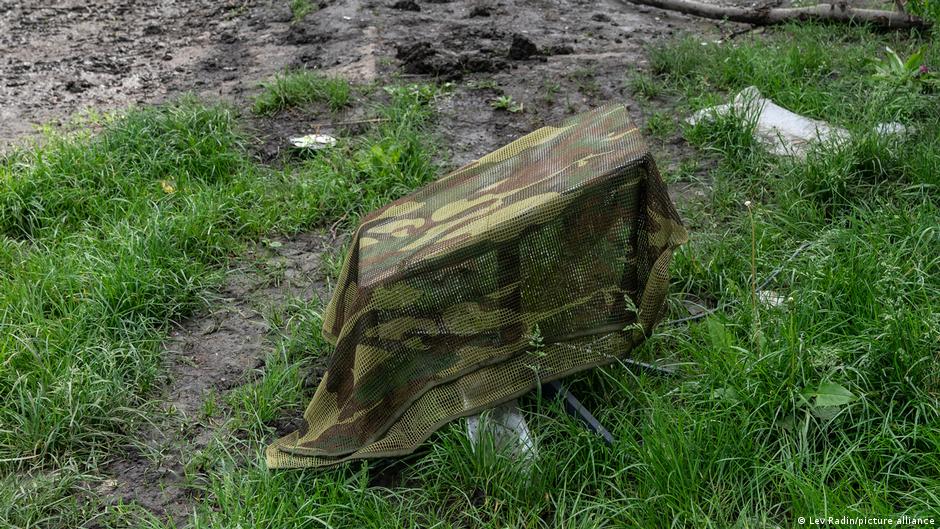
The Starlink ground station in Wola Krobowska, about 50 kilometers from Warsaw, was damaged in the September 23 fire. Flames affected an electrical substation and a generator. German tabloid Bild reported that the facility briefly stopped operating before returning to service. No injuries were reported.
For US policymakers, the case raises questions about whether European security arrangements are sufficient to protect privately owned American communications assets that may also carry strategic importance. A short disruption at one facility did not produce reported casualties, but the alleged targeting of a satellite communications site could prompt closer coordination among US, Polish and German officials.
The investigation may also matter beyond SpaceX. American technology, energy, logistics and defense companies operating in Europe could face greater physical-security and compliance costs if authorities conclude that criminal organizations are being recruited for state-directed sabotage. Companies may need to reassess access controls, backup power, contractor screening and information-sharing procedures around facilities that were previously treated mainly as commercial assets.
In Washington, the central issue is likely to be whether the incident represents an isolated criminal operation or part of a wider campaign against infrastructure tied to US and allied interests. Until investigators establish who ordered the fire, the strongest claims remain allegations. The arrests and pending extradition decision, however, could provide Polish prosecutors with additional evidence about the planning, logistics and possible sponsors of the attack.