Trump Announces Deployment of Additional 5,000 U.S. Troops to Poland Amid European Military Rebalancing
The Trump administration commits to expanding U.S. military presence in Poland despite Pentagon’s recent troop deployment adjustments in Europe.
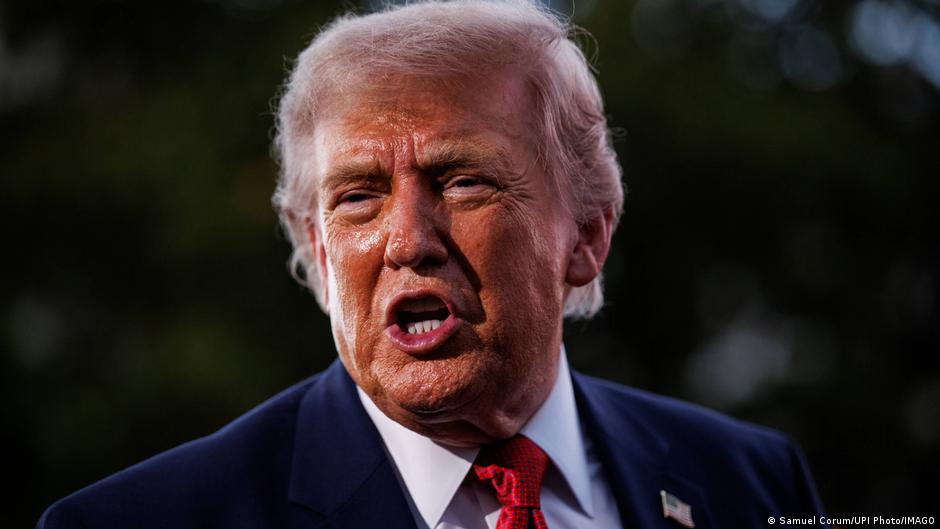
Just a week after the Pentagon halted the planned deployment of 4,000 troops to Poland, former President Donald Trump announced that the United States would send an "additional" 5,000 military personnel to the country. This decision underscores the complex dynamics of U.S. troop deployments in Europe and has significant implications for American defense strategy and business interests in the region.
Renewed U.S. Military Commitment to Poland
In a statement posted on his social media platform, Truth Social, in the early hours of May 22, Trump linked the troop increase to strong relations with Poland’s recently elected President Karol Nawrocki, whom Trump publicly supported. "Given the successful election of Poland’s current President Karol Nawrocki, whom I proudly supported, and our relationship with him, I am pleased to announce that the United States will send an additional 5,000 troops to Poland," Trump wrote.
However, specifics regarding whether this constitutes a new deployment or the reinstatement of the previously planned 2nd Armored Brigade Combat Team of the 1st Cavalry Division, which comprises 4,000 soldiers and was unexpectedly canceled on May 13, remain unclear.
Pentagon’s Troop Deployment Shifts and Polish Reactions
On May 13, The Wall Street Journal and Defense News reported that the Pentagon’s decision to cancel the troop movement aligned with Trump’s broader strategy to reduce U.S. military presence in Europe. This move reportedly surprised some military officials. According to Politico, Polish military officials expressed frustration at learning about the cancellation from media outlets rather than through official channels.
Earlier, the U.S. announced the withdrawal of 5,000 troops from Germany following German Chancellor Friedrich Merz’s criticism of U.S. and Israeli policies toward Iran. As of mid-May, Poland was preparing for the possibility of reduced American troop numbers. A source close to Polish Chief of Staff Wiesław Kukuła stated, "Possibly, the scale of this reduction will not be as significant as the media reports indicate, but that is the information we have received." The Polish defense establishment was already addressing the issue.
Meanwhile, Polish Defense Minister Władysław Koziniak-Kamysz denied reports that the country would be adversely affected, insisting that the number of American soldiers in Poland would not decrease and that efforts to increase U.S. troop presence continued.
Strategic and Economic Implications for U.S. Business
According to U.S. military sources, roughly 7,400 troops were stationed in Poland by mid-May. Over recent years, the U.S. has maintained approximately 100,000 service members across Europe, with more than 65,000 permanently based in the region and others rotating in and out.
On May 19, the Pentagon announced plans to withdraw one of four combat brigade groups from Europe, effectively reducing the American military footprint to 2021 levels. NATO’s Supreme Allied Commander in Europe, U.S. Air Force Lieutenant General Christopher G. Cavoli, reassured that this reduction would not affect NATO’s plans to strengthen European defense capabilities. He noted that in the long term, amid growing European military capacities, the U.S. would likely redeploy troops to other global regions.
"In the long term, with the build-up of European military forces, we expect to reposition American troops to other parts of the world," said NATO’s European Commander.
From a U.S. business perspective, the troop reductions and redeployments influence defense contractors, logistics providers, and related industries supplying the American military presence overseas. Contracts tied to troop deployments in Europe, especially in Poland and Germany, are substantial, supporting everything from base operations to advanced technology systems. Changes in troop levels can lead to shifts in procurement priorities and regional investment.
Moreover, Poland’s eagerness to maintain and even increase U.S. forces reflects strategic competition for American security commitments in Central Europe, which can translate into business opportunities for U.S. defense firms. Warsaw’s firm stance on not reducing troop numbers signals continued demand for American defense exports and infrastructure projects.
Congressional Oversight and Future Constraints
In early 2026, the U.S. Congress enacted provisions in the annual defense budget law to limit troop reductions in Europe below 76,000 personnel for more than 45 days without detailed reports to Congress by the Secretary of Defense and EUCOM leadership. This legislative measure highlights the ongoing political sensitivity in Washington regarding the U.S. military footprint in Europe.
These oversight mechanisms ensure that troop movements are closely monitored and justified, balancing strategic recalibration with allies’ security concerns. For American companies engaged in defense contracting and support services, such policies provide some predictability amid the evolving geopolitical landscape.
The evolving U.S. military posture in Poland and the broader European theater remains a key focal point for Washington’s defense policy, with significant consequences for American business interests tied to military deployments, NATO commitments, and transatlantic relations.



