Trump Cancels Strikes on Iran as Peace Deal Nears, Impacting US Business and Regional Stability
President Trump halts planned June 11 attacks on Iran amid progress in multinational negotiations, signaling potential de-escalation with implications for US companies.
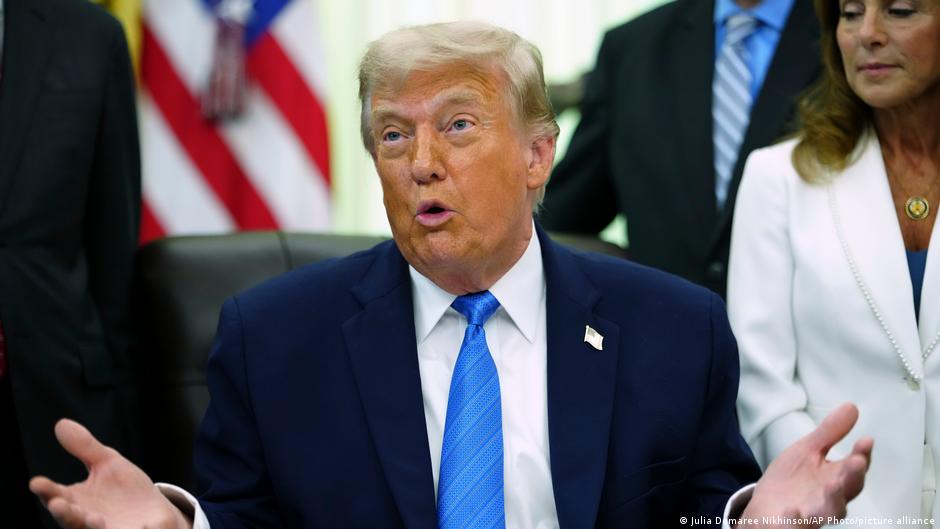
On June 11, US President Donald Trump announced the cancellation of planned airstrikes against Iran, citing significant progress in diplomatic talks with Tehran’s highest leadership. This move marks a potential turning point in the longstanding tensions between the United States and Iran, with broad implications for American businesses and geopolitical dynamics in the Middle East.
Diplomatic Advances and Multinational Agreement
Trump declared on his social media platform that discussions with Iran had reached approval from its top authorities, prompting the cancellation of strikes scheduled for that evening. He emphasized that the final terms of the emerging agreement have been coordinated not only with Iran but also with key regional actors including Israel, Saudi Arabia, the United Arab Emirates, Qatar, Turkey, Pakistan, Bahrain, Kuwait, Jordan, and Egypt.
“The maritime blockade will remain fully in place until the agreement is finalized—time and place for signing will be announced shortly,” Trump stated, underscoring ongoing strategic leverage.
Later the same evening, Trump told reporters that a "magnificent agreement" could be signed as early as the coming weekend, possibly in Europe. However, the president indicated he would not attend the signing personally due to his 80th birthday celebrations on June 14, delegating Vice President J.D. Vance to represent the administration.
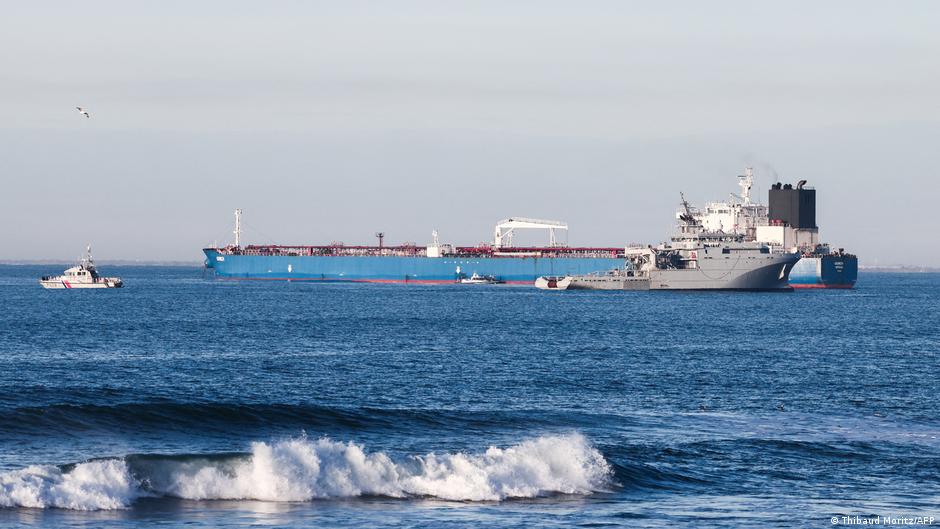
The deal is expected to prohibit Iran from ever acquiring nuclear weapons and to reopen the strategically vital Strait of Hormuz, a critical artery for global oil shipments. This development holds significant weight for US energy markets and global supply chains, offering potential relief to American companies affected by regional volatility.
Contrasting Military Postures and Uncertainties
Remarkably, just hours before announcing the cancellation, Trump had expressed intentions to seize the Iranian oil hub on Khark Island and hinted at launching "new, bigger, more powerful strikes," though avoiding attacks on civilian infrastructure such as bridges and power plants. This juxtaposition of aggressive rhetoric and sudden diplomatic overtures highlights the unpredictable nature of US-Iran relations.
Iranian officials have yet to finalize their stance on the deal. Foreign Ministry spokesperson Esmail Baghaei stated that Iran had not reached a conclusive decision, reflecting internal deliberations on the proposal. Concurrently, Iranian parliamentary speaker Mohammad Bagher Ghalibaf warned the US against "impulsive" actions, cautioning that such moves could lead the conflict into an "endless quagmire" and provoke a transformative Iranian response.
In the days preceding the ceasefire, US Central Command resumed strikes against Iranian targets, citing ongoing Iranian aggression. These military actions triggered retaliatory missile attacks on US bases across the Persian Gulf and Jordan, alongside heightened air defense activity in Kuwait and Bahrain. Iran also reiterated its closure of the Strait of Hormuz, threatening to attack any vessel attempting passage.
Implications for US Business and Policy
From a US business perspective, the potential de-escalation and forthcoming agreement could reduce the risk premium on energy prices, stabilizing markets critical to American companies in sectors such as oil and gas, shipping, and manufacturing. The reopening of the Strait of Hormuz would alleviate logistical bottlenecks and lower insurance costs for maritime trade routes vital to global supply chains.
Politically, the administration faces balancing acts between demonstrating strength and pursuing diplomacy. The outcome of negotiations will influence US foreign policy credibility and its ability to shape regional security frameworks. American firms engaged in Middle Eastern markets will be closely monitoring developments, given the substantial uncertainties that have previously deterred investment.
Overall, the cancellation of strikes and the prospect of a major agreement with Iran represent a significant pivot in US strategy, with tangible consequences for Washington’s political capital and economic interests worldwide.