Drone Strikes in Russia's Border Regions Highlight Escalating Conflict Impacting US Business Interests
Recent drone attacks in Russian border areas cause civilian casualties amid ongoing Russia-Ukraine hostilities with potential repercussions for US companies.
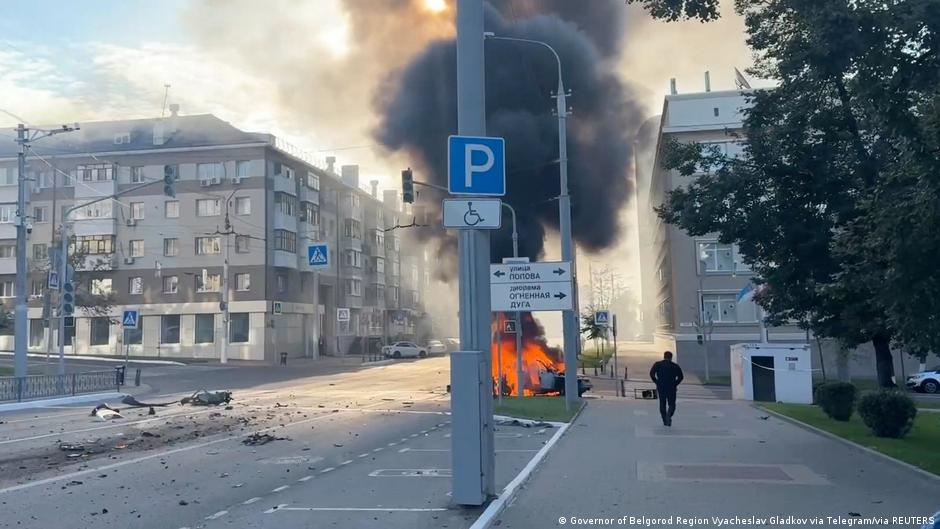
Recent drone strikes launched by Ukrainian forces in Russia's border regions have resulted in civilian casualties and infrastructure damage, underscoring an escalation in the ongoing conflict between Russia and Ukraine. The attacks have raised concerns in Washington about the broader geopolitical risks and their potential impact on American companies operating in or connected to the region.
Casualties and Damage in Belgorod and Rostov Regions
According to regional authorities in the Belgorod Oblast, twelve civilians, including two children, were injured during a concentrated drone assault. The attacks, which took place overnight on July 27, also caused fires in multiple residential apartments and vehicles. The mayor of Belgorod, Valentin Demidov, confirmed that essential utilities in two multi-story residential buildings were temporarily shut off, with some residents displaced to temporary shelters due to unsafe living conditions.
Simultaneously, the Rostov Oblast authorities reported fatalities and injuries resulting from similar strikes. The governor, Yuri Slyusar, announced the deaths of a married couple in Rostov-on-Don, along with injuries to five others. These incidents mark a notable intensification of cross-border hostilities, affecting civilian populations on both sides.
Reciprocal Attacks and Broader Military Context
The conflict is characterized by reciprocal air assaults. Russian military forces have also launched drone and missile attacks targeting Ukraine, with Ukrainian Air Force reports indicating strikes across several oblasts including Dnipropetrovsk, Sumy, Chernihiv, Zaporizhzhia, Kharkiv, and Kherson. This tit-for-tat escalation exacerbates regional instability with potential ripple effects beyond the immediate conflict zone.
"The intensification of drone warfare along the Russia-Ukraine border highlights the volatile security environment that could have cascading impacts on international trade and energy markets," analysts note.
From a US business perspective, these developments heighten risks for companies with supply chains or investments linked to the region’s energy, agriculture, and manufacturing sectors. The Belgorod and Rostov regions are strategically important for cross-border trade and logistics. Disruptions caused by military operations can increase operational costs, insurance premiums, and uncertainty, influencing business decisions regarding regional engagements.
Moreover, Washington’s response to the intensifying conflict may involve further sanctions or support measures, affecting multinational corporations’ exposure to Russian markets. The volatile security situation also complicates the geopolitical landscape for American policymakers balancing deterrence and diplomacy in Eastern Europe.
As the conflict persists, US firms are advised to monitor developments closely, reassess risk management strategies, and engage with government guidance to mitigate potential operational and financial impacts stemming from the ongoing hostilities.



