Trump Delays Sweeping Russia Sanctions, Citing Ukraine and Iran Talks
The White House decision postpones tariffs that could disrupt global energy trade and raise diesel costs for US farmers and businesses.
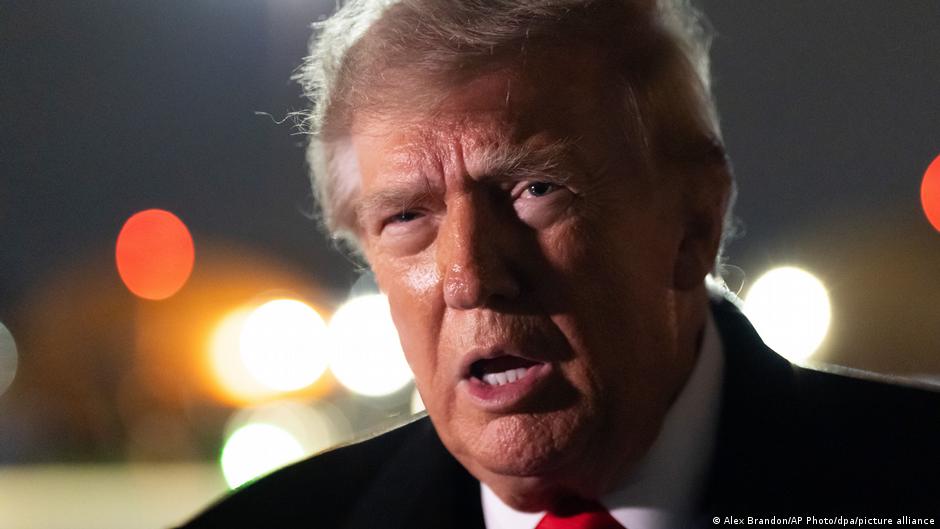
President Donald Trump said he has postponed what he called “hellish sanctions” against Russia to keep Moscow engaged in negotiations over the war in Ukraine and to discourage it from providing greater assistance to Iran.
Trump said he would impose the measures whenever he considered the timing appropriate, preserving the threat of sweeping trade restrictions while presenting the delay as a decision grounded in US national interests. The move leaves American companies facing continued uncertainty over potential tariffs, energy-market disruption and the future scope of Washington’s Russia policy.
In a Truth Social post published Sunday, Oct. 18, Trump said his position was straightforward. He argued that taking punitive action now could push Russia away from negotiations aimed at ending its war against Ukraine.
“I can sign it later at any time, when I consider it necessary,” Trump said of the sanctions legislation.
The president claimed that talks with Moscow had produced “significant progress,” particularly on the release of prisoners. He did not provide further figures or details about those negotiations.
Tariff threat carries risks for US companies
The legislation associated with Senator Lindsey Graham would impose additional tariffs of 500% on Russian goods. It also proposes tariffs of 100% on products from countries ranked among the five largest purchasers of Russian oil and gas, as well as countries described as playing the most active role in helping Moscow circumvent sanctions.
Such measures could have consequences well beyond direct US-Russia commerce. Large tariffs on goods from major buyers of Russian energy could affect supply chains involving important American trading partners, potentially increasing import costs and forcing US companies to reassess suppliers, contracts and exposure to sanctioned markets.
The law required Trump to introduce restrictive measures by Oct. 18 but also authorized him to suspend that process when doing so served US national interests. Trump exercised that authority on Oct. 17, according to the account of the decision.
Trump also connected the sanctions delay to Washington’s confrontation with Tehran. He said Russia was providing Iran with practically no assistance compared with the support it could potentially offer. The president said he wanted that situation to continue and suggested that imposing sanctions at this stage could undermine it.
Diesel prices enter the White House calculation
Trump renewed his criticism of Ukrainian President Volodymyr Zelensky over Ukrainian attacks on Russian oil refineries that produce diesel fuel. He argued that Zelensky understood those strikes were causing serious damage to the global diesel market, including the US market.
The president said higher pressure on diesel supplies hurts American farmers, ranchers and companies across a range of industries. Fuel prices are a significant operating expense for agriculture, freight transportation, construction and other diesel-dependent sectors, making the issue politically sensitive in Washington and economically important to businesses outside major cities.
Trump maintained that Russia continued to supply the world market with millions of barrels of low-priced diesel despite the attacks. He accused Zelensky of disregarding the resulting impact on consumers and businesses.
The remarks place energy affordability alongside diplomacy and national security in the administration’s justification for delaying the sanctions. They also signal that the White House is weighing the potential domestic cost of intensified economic pressure on Moscow, even as the proposed legislation retains exceptionally severe tariff penalties.
Trump sharpens criticism of Zelensky
Trump said he wanted to end Russia’s war against Ukraine but alleged that Zelensky was not seeking to bring the conflict to a close and might never have intended to do so. The US president claimed Ukraine could have secured a substantially better agreement two years earlier than it could obtain now.
He described Ukraine as being in ruins, having lost a significant share of its territory and no longer possessing access to seas or oceans. Trump also asserted that the country’s male population had declined, been wounded or been killed. These statements reflected his increasingly confrontational public posture toward Kyiv as he defended keeping sanctions leverage over Moscow in reserve.
For Washington, the immediate policy outcome is a pause rather than an abandonment of economic pressure. Trump retains the option to activate the measures later, allowing the administration to use the prospect of enormous tariffs as leverage in talks with Russia while seeking to limit Moscow’s cooperation with Iran.
For US businesses, that approach avoids an immediate tariff shock but does not eliminate the underlying risk. Companies connected to global energy, shipping, agriculture, manufacturing and trade with major Russian oil customers must still account for the possibility that the president could rapidly revive the sanctions if negotiations stall or geopolitical conditions change.