Trump Demands Iran's Enriched Uranium Be Destroyed in US or Under IAEA Supervision
Former President Trump calls for Iran's uranium stockpiles to be eliminated either on American soil or monitored onsite by the IAEA amid nuclear tensions.
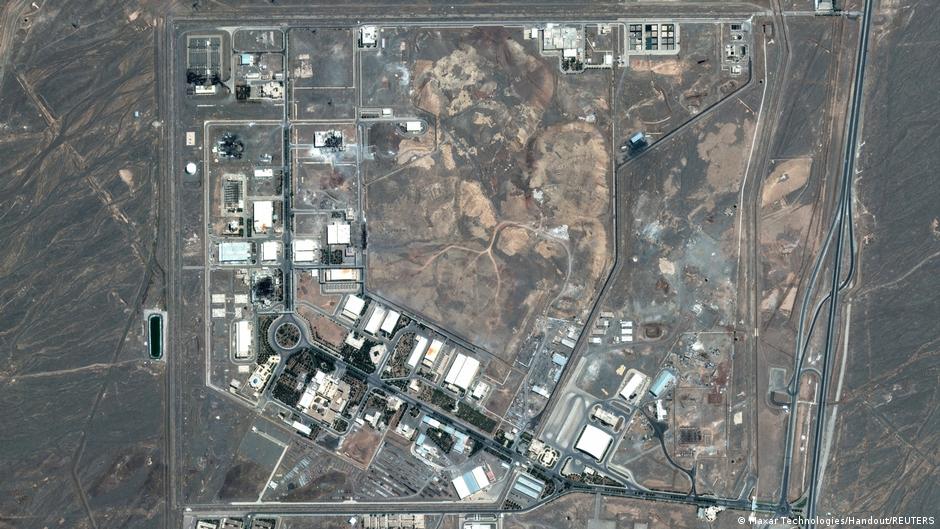
Former US President Donald Trump declared on his social media platform, Truth Social, that Iran's enriched uranium reserves should either be transported to the United States for destruction or destroyed in place under the supervision of the International Atomic Energy Agency (IAEA).
Trump's statement on Monday, May 25, emphasized that the preferred option would be to eliminate these uranium stockpiles directly within Iran without the risks and complications of moving them abroad. He referred to the enriched uranium as "nuclear dust," linking it to previous US military actions targeting Iran's nuclear infrastructure.
Implications for US-Iran Relations and American Businesses
The underlying issue of Iran's nuclear program is a critical factor driving the ongoing conflict that the US and Israel have engaged in against the Islamic Republic since February 28. The United States estimates that Iran currently holds over 440 kilograms of uranium enriched to 60%, a level far exceeding what is required for civilian nuclear energy purposes.
This enriched uranium could theoretically be further processed to 90% purity within a short time frame, rendering it suitable for nuclear weapons development. Although Tehran has consistently denied any intentions to develop atomic bombs, insisting their nuclear program is peaceful, it has warned of escalating uranium enrichment should further attacks occur.
"The threat posed by Iran's nuclear program justifies rigorous measures, including potential destruction of uranium stockpiles," Trump stated, underscoring his administration's hardline stance.
From a Washington perspective, Trump's remarks highlight ongoing concerns about nuclear proliferation risks and the implications for US national security policy. For American companies, particularly in the defense, energy, and manufacturing sectors, these developments bear significant weight. Heightened tensions could lead to increased sanctions regimes, supply chain disruptions, and shifts in energy markets impacting US business operations and bottom lines.
Moreover, the insistence on destroying enriched uranium in the US or under IAEA control aligns with broader US objectives of non-proliferation and securing global nuclear materials, reinforcing the United States' role as a global nuclear watchdog. It also signals to US allies and adversaries alike that Washington remains committed to stringent controls over nuclear weapons development.
Although Iran has yet to confirm any agreements regarding the handover of its enriched uranium stocks to the US or other countries, the issue remains a focal point of diplomatic and geopolitical negotiations. How Washington navigates this complex dynamic will have lasting effects on regional stability and the climate for American business interests in the Middle East and beyond.