Trump Highlights China's Interest in U.S. Oil and Soybean Purchases Amid Beijing Talks
Following discussions with Xi Jinping, Trump reveals China's intent to buy American commodities and influence Iran, impacting U.S. trade and geopolitical strategy.
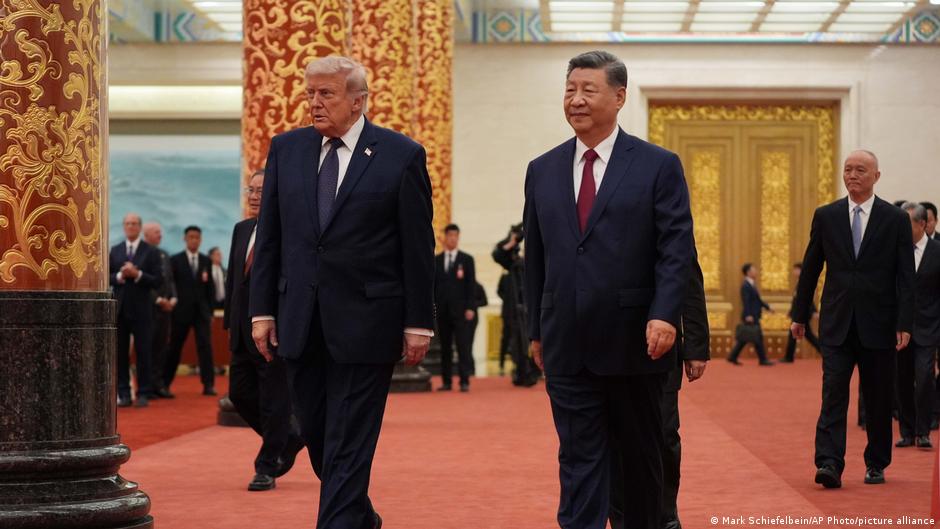
Former U.S. President Donald Trump stated that China has shown renewed interest in purchasing American oil and soybeans, marking a potential shift in trade dynamics between the world's two largest economies. This revelation came after his recent meetings with Chinese President Xi Jinping in Beijing.
China's Strategic Commodity Purchases and Geopolitical Implications
In an interview with Fox News, Trump highlighted that China, historically a major buyer of Iranian oil and a significant importer of soybeans, is now signaling an intention to increase imports from the United States. Prior to the 2025 onset of the U.S.-China trade war initiated under Trump's administration, China had been purchasing smaller volumes of American oil. However, in response to trade tensions, Beijing sharply cut back on these purchases, opting instead for Brazilian soybeans and continuing its reliance on Iranian oil.
Trump's comments come amid ongoing efforts to recalibrate U.S.-China trade relations and address broader geopolitical concerns, particularly regarding Iran. The former president conveyed optimism about Xi Jinping's potential to influence Tehran, noting that the Chinese leader expressed a willingness to assist in negotiations aimed at ending hostilities involving the U.S., Israel, and Iran. Additionally, Xi reportedly assured Trump that China would refrain from supplying weapons to the Islamic Republic.
"Xi said China wants to help with negotiations to end the war between the U.S. and Israel with Iran and to resume shipping through the Strait of Hormuz," Trump said.
Trump also underscored his firm stance on Iran, indicating he will no longer tolerate provocations and urging Tehran to reach a deal with Washington. He addressed concerns about Iran's stockpile of enriched uranium, suggesting that while it might be possible to dispose of it, he would prefer to secure it himself.
Notably, Trump described current Iranian leaders as "reasonable," implying that diplomatic engagement remains a viable path forward despite past tensions.
Implications for U.S. Businesses and Policy
The prospect of China increasing purchases of U.S. oil and soybeans could provide a significant boost to American agricultural producers and energy exporters, sectors that have faced challenges amid trade disputes and shifting global markets. Renewed Chinese demand may help stabilize prices and open avenues for long-term contracts, benefiting U.S. farmers and oil companies alike.
Moreover, China's commitment not to supply Iran with weapons could align with U.S. efforts to limit Tehran's military capabilities, potentially easing regional tensions. For American policymakers and businesses, these developments underscore the intricate linkages between trade negotiations and geopolitical strategy.
As Washington continues to navigate a complex relationship with Beijing, balancing economic interests and security concerns, such shifts in China's buying patterns and diplomatic posture could influence forthcoming trade policies and international negotiations.