Trump Meets Xi Jinping in Beijing to Address Iran, Taiwan, and Trade Issues
US President Donald Trump meets Chinese leader Xi Jinping in Beijing to discuss Iran Strait security, Taiwan tensions, and trade relations impacting American businesses.
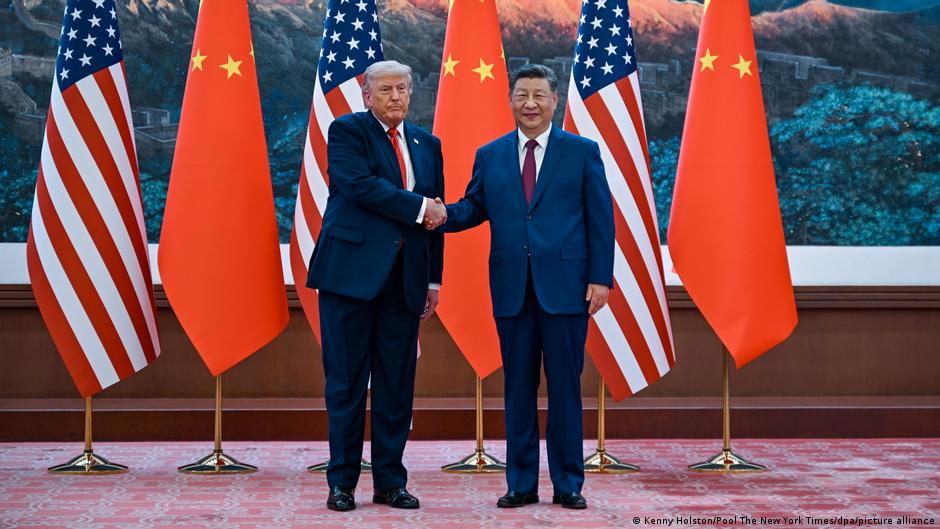
On May 14, Chinese President Xi Jinping hosted US President Donald Trump in Beijing with full military honors. The meeting, held at the Great Hall of the People on Tiananmen Square, marks a significant moment in US-China relations, with both leaders emphasizing future cooperation amidst a complex global landscape.
President Trump described the meeting as a great honor and expressed optimism about the future: "For me, it is a great honor to be your friend, and the relationship between China and the United States will be better than ever before." Xi Jinping reciprocated, highlighting that the world is at a new crossroads and that the two countries should be "partners, not rivals," for mutual benefit and global stability.
Strategic Focus on Iran and the Strait of Hormuz
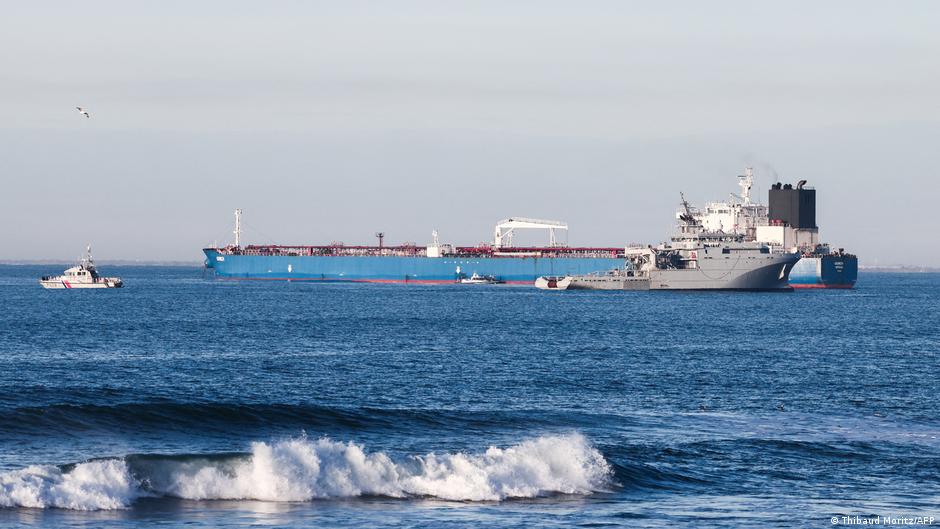
A key agenda item is the ongoing conflict involving the US, Israel, and Iran. The US delegation, including Secretary of State Marco Rubio, Treasury Secretary Scott Bessent, and Defense Secretary Pete Hegseth, seek China's assistance in lifting Iran's blockade of the Strait of Hormuz. This narrow waterway is critical for global energy shipments, and its obstruction affects not only American interests but also China's trade, as Chinese vessels are reportedly stranded there.
"China has a vested interest in reopening the Strait of Hormuz, given its impact on Chinese shipments and the broader energy crisis hurtling global demand for Chinese goods," noted Secretary Rubio.
Given China's export-driven economy, prolonged disruptions in energy supplies could dampen Chinese manufacturing and export capacity, indirectly affecting global markets and American businesses that rely on stable trade flows.
Taiwan Tensions and Trade Relations
Beyond the Middle East, the meeting is expected to address tensions surrounding Taiwan. Stability in the Taiwan Strait remains vital for US geopolitical strategy as well as for American companies engaged in technology and supply chains linked to the island.
Trade discussions will also be prominent, building on prior agreements reached by Trump and Xi in South Korea in October 2025. Those agreements sought to "remove obstacles" to China's rare earth metal exports and reduce tariffs imposed by the US amid the fentanyl crisis. The ongoing dialogue aims to ease trade frictions that have affected sectors such as technology, automotive, and clean energy.
Notably, high-profile American business leaders accompanied President Trump, including Apple's Tim Cook and Tesla's Elon Musk, underscoring the deep economic interconnections and the importance of stable US-China relations for American corporate interests.
Trump's two-day visit marks his first return to China since his initial presidential term in 2017. The visit is being closely watched in Washington for its implications on US foreign policy, energy security, and economic competitiveness.