Trump Postpones Military Strike on Iran Amid Gulf Leaders’ Appeals and Ongoing Negotiations
US President Donald Trump delays planned May 19 attack on Iran following requests from Gulf allies and signals serious diplomatic talks underway.
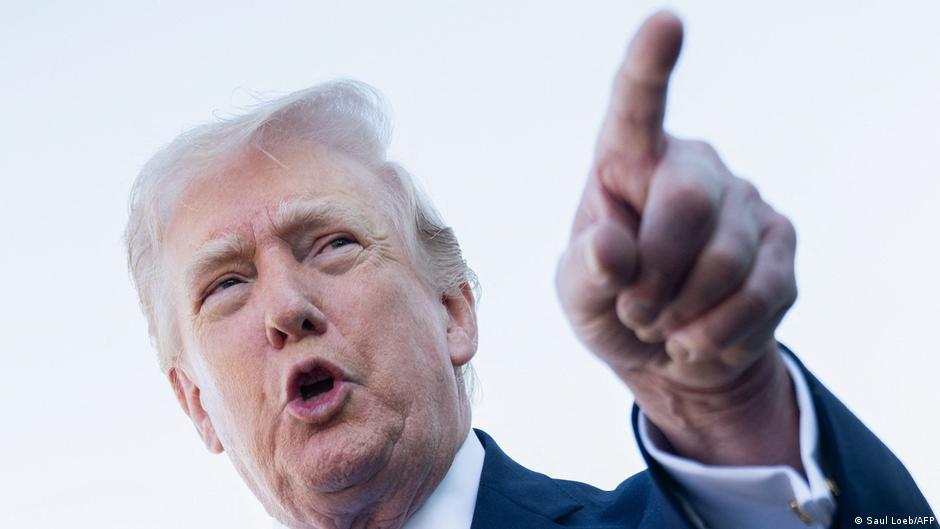
Former US President Donald Trump announced the postponement of a planned military strike against Iran initially scheduled for May 19. According to Trump, the decision came after appeals from key Gulf leaders, including Qatar's Emir Sheikh Tamim bin Hamad Al Thani, Saudi Arabia's Crown Prince Mohammed bin Salman, and the United Arab Emirates’ President Sheikh Mohammed bin Zayed Al Nahyan.
Diplomatic Pressure from Gulf Allies and Implications for US Business Interests
Trump revealed the delay in a social media post on Truth Social, noting that "serious negotiations" are currently underway with these Gulf states. He indicated that the talks aim to achieve a deal that would be "acceptable for the United States of America as well as all countries in the Middle East and beyond," with particular emphasis on a prohibition of nuclear weapons development by Iran.
Despite the de-escalation gesture, Trump instructed Pentagon Chief Lloyd Austin, Chairman of the Joint Chiefs of Staff General Mark Milley, and US Armed Forces to remain prepared for a full-scale offensive against Iran should negotiations fail to yield an acceptable agreement.
For US businesses, especially those with interests in energy markets and regional security, the postponement signals a momentary easing of tensions that could stabilize oil supply routes and reduce volatility. However, the underlying conflict dynamics remain fragile, with potential to disrupt supply chains and investment climates across the Middle East.
"The deal will include a ban on nuclear weapons for Iran," Trump stated, underscoring US strategic priorities even amid diplomatic engagement.
Until this announcement, it was not publicly known that the US had planned a military strike on Tehran for May 19, according to Reuters. Meanwhile, Iran has conveyed its position through Pakistani intermediaries, and both sides continue to exchange demands in the context of ongoing conflict and negotiation.
Complex Negotiations and US Strategic Demands
According to Iran’s state-affiliated Fars News Agency, the US has presented a five-point set of demands to Iran ahead of a second round of peace talks. These include refusal of compensation for damages caused by ongoing hostilities since February 28, removal of 400 kilograms of enriched uranium from Iran, limitation to a single nuclear facility, no unlocking of even 25% of frozen Iranian assets, and conditioning war cessation explicitly on negotiation progress.
Iranian authorities characterize these demands as objectives that Washington failed to achieve through military means and warn that the "threat of aggression" from the US and Israel will persist even if conditions are met. This has led to claims of a "stalemate" in the peace process.
Iran has countered with its own set of conditions, including ending hostilities in Lebanon, lifting sanctions, unfreezing all assets, reparations, and recognition of sovereignty over the strategic Strait of Hormuz. Tehran insists it will not return to negotiations unless these provisions are met, framing them as "minimal measures to build trust."
The tenuous ceasefire brokered by Pakistan in April has been repeatedly violated. While the US Navy has enforced a blockade of Iranian ports since mid-April, Iran continues drone attacks on shipping and infrastructure in the Persian Gulf region. This ongoing instability poses risks to US companies reliant on Gulf oil imports and complicates broader geopolitical calculations impacting global markets.
As Washington navigates these delicate talks, American businesses and policymakers alike must prepare for potential shifts in security posture and economic conditions that could arise from either a diplomatic breakthrough or renewed conflict escalation in the region.



