Trump Rebukes Netanyahu Over Lebanon Strikes, Raising Concerns for US Middle East Policy
Former President Trump harshly criticized Israeli PM Netanyahu for escalating conflict in Lebanon, warning of diplomatic fallout and risks to US interests.
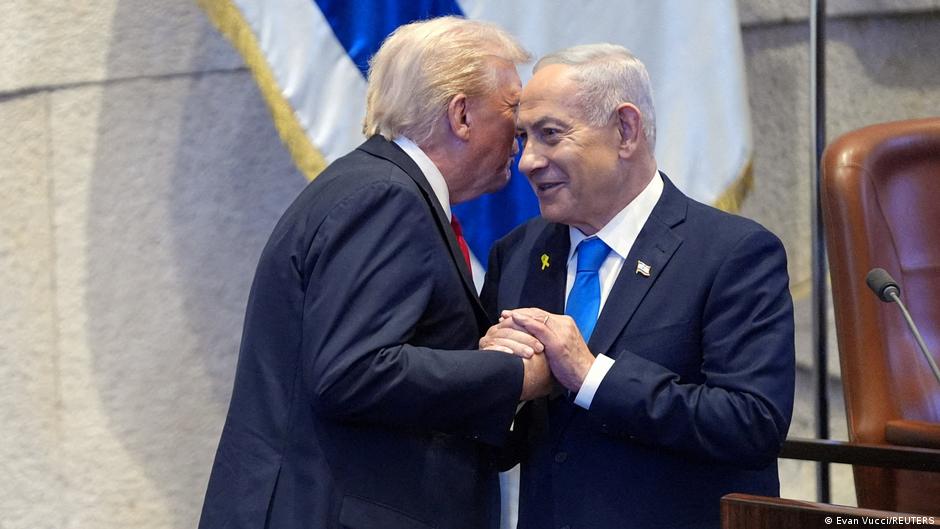
In a rare and uncensored rebuke, former US President Donald Trump sharply criticized Israeli Prime Minister Benjamin Netanyahu over recent Israeli Defense Forces (IDF) strikes targeting southern suburbs of Beirut, Lebanon. According to reports from American media outlet Axios, Trump referred to Netanyahu as "crazy" during a phone call, expressing his frustration over the collapse of a fragile ceasefire in the Middle East.
Implications for US Foreign Policy and Business Interests
The call between Trump and Netanyahu occurred amid heightened tensions following IDF airstrikes justified by the Israeli government as a response to provocations from the Iran-backed militant group Hezbollah. Netanyahu expanded a ground offensive in Lebanon after Hezbollah's attacks on northern Israeli districts, further escalating the conflict.
Sources close to the US administration told Axios that Trump expressed concern over civilian casualties and the destruction of residential buildings resulting from the Israeli strikes aimed at eliminating key Hezbollah commanders. The former president warned that such actions risk alienating Israel internationally and could lead to increased diplomatic isolation, potentially undermining longstanding US alliances in the region.
Moreover, Trump highlighted his role in shielding Netanyahu from legal consequences by helping him avoid imprisonment on corruption charges. Yet, he criticized Netanyahu's recent military decisions as damaging not only to Israel's global standing but also to American strategic interests.
"Due to these strikes, Netanyahu is hated by everyone, which could isolate Israel further on the international stage," Trump said during the call.
The deteriorating situation in Lebanon has also impacted broader US-Iran relations, with Iranian state-affiliated media reporting a suspension of indirect negotiations between Tehran and Washington. Iran views Lebanon as a key component of any ceasefire deal; however, ongoing hostilities there complicate diplomatic progress. Trump dismissed reports of stalled talks, asserting that negotiations were continuing rapidly and that he brokered agreements between Israel and Lebanon to cease mutual attacks.
For American businesses, especially those with interests in the Middle East energy sector and defense industries, these developments carry significant risk. Escalating conflict threatens regional stability, potentially disrupting oil supplies and increasing volatility in global markets. Additionally, heightened tensions raise questions about US diplomatic efficacy and the reliability of allies in managing crises.
The Trump-Netanyahu confrontation underscores the complexity Washington faces balancing its strategic partnerships and the unpredictable dynamics of regional conflicts. As the US administration navigates these challenges, the impact on American economic and political interests in the Middle East remains a critical area of focus.