Trump Reports Lack of Progress on Jimmy Lai’s Release in Talks with China’s Xi Jinping
US President Donald Trump reveals no optimism after discussing Hong Kong media mogul Jimmy Lai’s imprisonment with Chinese leadership.
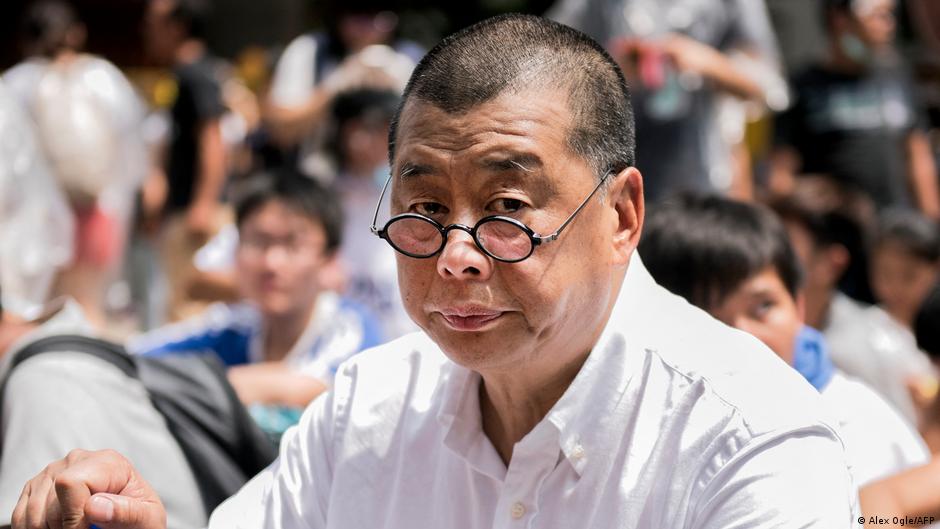
During a recent summit in Beijing, former US President Donald Trump disclosed that he raised the issue of Hong Kong media tycoon Jimmy Lai's imprisonment with Chinese President Xi Jinping but encountered little hope for his release.
Implications for US-China Relations and American Business Interests
Jimmy Lai, a prominent figure known for backing the 2019 pro-democracy protests in Hong Kong, was sentenced to 20 years in prison in 2026 on charges of inciting rebellion and colluding with foreign forces. Lai's harsh sentence and the Chinese government's refusal to consider his release highlight ongoing tensions between Washington and Beijing that complicate the business and political landscape for American companies operating in or with China.
Trump recounted speaking directly with Xi about Lai’s case, noting the Chinese leader characterized it as a "complex matter." Trump told journalists aboard Air Force One that the response from Beijing was "not the most positive," and he did not leave the conversation feeling optimistic about any potential reprieve.
"I raised the topic of Jimmy Lai. I can say the reaction to this was not very positive. I did not feel optimistic," Trump said in an interview with Fox News.
The imprisonment of Lai, who spent nearly 2,000 days in solitary confinement, is widely viewed in the West as emblematic of the Chinese Communist Party’s tightening grip on Hong Kong freedoms. His conviction labels him as harboring "ferocious hatred" toward the Communist Party, a perception that has drawn widespread international criticism.
From a US business perspective, the case intensifies concerns about the risks of operating in an environment where political considerations may override legal norms and press freedom. Lai’s support for democratic values and his media presence made him a significant symbol for Hong Kong’s autonomy—a principle increasingly under threat that could affect the stability necessary for foreign investment and commercial partnerships.
American companies and investors must grapple with the political undercurrents influencing China’s internal decisions, as these factors impact market access, regulatory compliance, and reputational risks. The US government’s inability to secure even a dialogue yielding optimism on such human rights issues underscores the challenges Washington faces in balancing economic interests with advocacy for democratic principles.
Earlier in 2026, Jimmy Lai was honored with Deutsche Welle’s Freedom of Speech Award, recognizing his unwavering dedication to democratic values despite severe personal consequences. This international acknowledgment further complicates diplomatic relations, as Western nations continue to highlight human rights concerns amid intensifying US-China strategic competition.