Trump Sets Firm Red Lines for Iran Deal, Emphasizing Non-Proliferation Commitment
President Trump signals willingness to negotiate with Iran only if key US demands, including no nuclear weapons, are met.
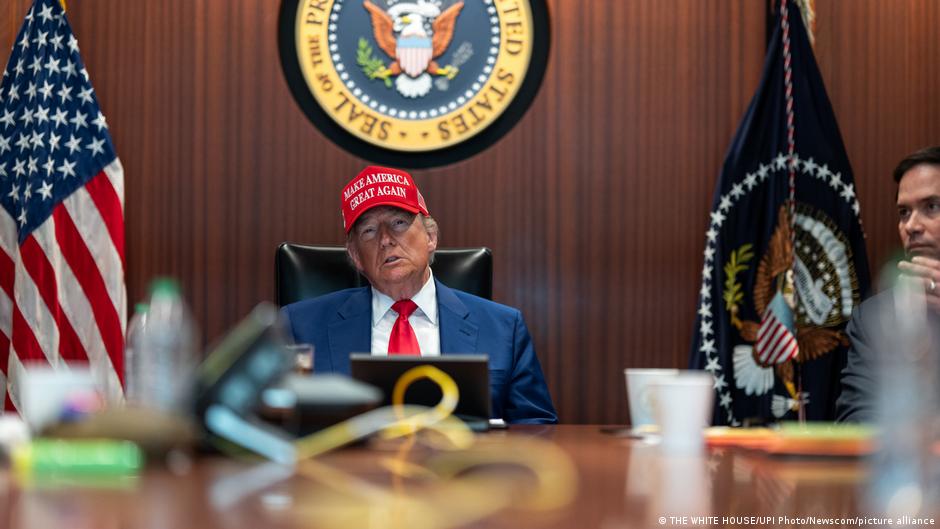
President Donald Trump has indicated that the United States will only enter into a formal agreement with Iran if Tehran strictly adheres to America's "red lines," most notably the commitment that Iran must never acquire nuclear weapons. This stance was confirmed following high-level consultations held in the White House Situation Room on May 30.
Implications for US Policy and Business Interests
The discussions underscore the Trump administration's insistence on safeguarding American security interests ahead of any deal. According to an unnamed White House official, the approximately two-hour meeting with senior advisors culminated in a clear message: the President will only finalize a deal that he considers beneficial to the United States and that strictly enforces these critical conditions.
"President Trump will only conclude an agreement that benefits America and respects his 'red lines,'" stated a representative of the US administration.
From a Washington perspective, the firmness in negotiations reflects concerns about regional stability and the potential risks posed by Iran's nuclear ambitions. For American businesses, especially those in defense, energy, and financial sectors, the outcome of these negotiations will have significant repercussions.
Any relaxation of sanctions or normalization of economic relations with Iran could open new markets for US companies but also increase competitive pressures globally. Conversely, failure to reach an agreement could prolong uncertainty, impacting global oil prices and complicating corporate risk assessments.
Tehran, meanwhile, has indicated that while talks continue, no final ceasefire or agreement has yet been reached. Iranian Foreign Ministry spokesperson Esmail Bakai emphasized ongoing message exchanges but stopped short of confirming a conclusive deal.
Recently, reports from the Axios news portal, citing two unnamed US officials, suggested that a preliminary framework agreement had been tentatively reached between US and Iranian negotiators. Despite this, final approval from President Trump remains pending, reflecting the administration’s cautious approach.
As Washington balances diplomatic outreach with firm strategic demands, the evolving situation will demand close attention from American policymakers and businesses alike. The administration’s approach signals a prioritization of national security assurances, which will shape US engagement with the Middle East and impact transatlantic economic ties.



