UAE Conducted Covert Military Strikes on Iran Amid Gulf Conflict Dynamics
The UAE secretly targeted Iranian infrastructure in April, signaling deeper Gulf involvement with potential impacts on US business interests in the region.
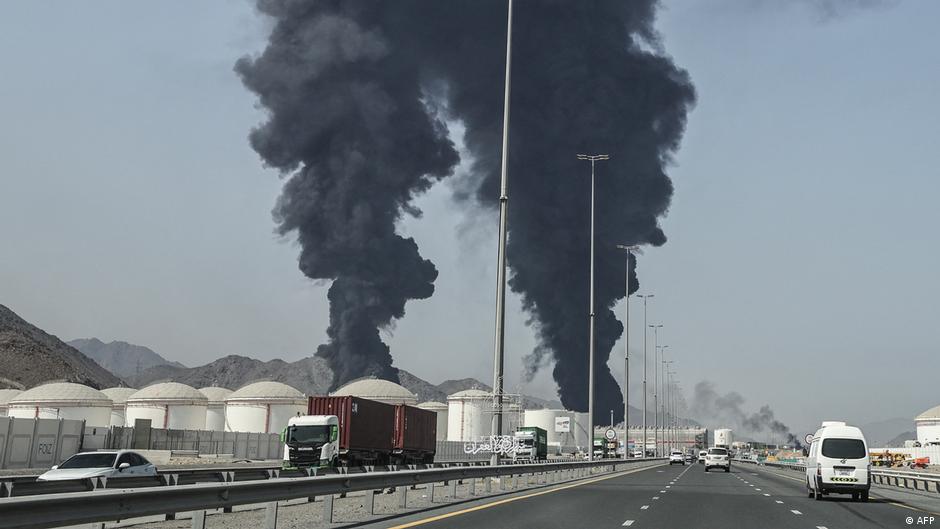
The United Arab Emirates (UAE) has been conducting undisclosed military strikes against Iran, according to informed sources cited by The Wall Street Journal. This marks a significant development as the UAE emerges as an active participant in the ongoing conflict in the Persian Gulf, reacting to repeated Iranian attacks on its territory.
Undisclosed Airstrikes and Regional Tensions
One notable strike attributed to the UAE occurred in early April, targeting a key oil refinery on Lavan Island, located in the Persian Gulf. The attack coincided with a period when the United States and Israel announced a ceasefire after nearly five weeks of hostilities against Iran. Despite the UAE’s refusal to officially acknowledge involvement, the strike was widely reported by Iranian officials who condemned it as an act of aggression.
"The UAE reserves the right to respond to hostile actions, including through military means," a UAE Foreign Ministry representative stated, declining to comment directly on the Lavan Island attack.
Following the refinery strike, Iran launched multiple missile and drone attacks targeting the UAE and Kuwait, escalating tensions in the region. These assaults have severely disrupted airline operations, tourism, and the real estate sector in the UAE, triggering layoffs and unpaid leave measures within companies. Gulf officials characterize Iran as an outlier undermining the UAE's economic model focused on attracting foreign talent and maintaining regional stability.
Implications for the United States and American Businesses
U.S. officials reportedly expressed no public dissatisfaction with the UAE’s strike, as the declared ceasefire by Washington had not yet come into effect. The U.S. has quietly welcomed the involvement of Gulf states in the conflict, seeing their role as crucial in countering Iranian influence.
This dynamic raises significant considerations for American businesses operating in the UAE, a critical hub of commerce and finance in the Middle East. The escalation risks destabilizing the business environment, potentially affecting supply chains, energy markets, and investment flows. The UAE’s military capability, including advanced French Mirage and American F-16 fighter jets, alongside highly trained pilots, underscores its readiness to enforce its interests militarily, which could lead to further instability.
According to the Wall Street Journal’s analysis, Iran has launched approximately 2,800 drone and missile attacks on the UAE since the conflict began, exceeding attacks against any other country including Israel. This sustained pressure has compelled the UAE to recalibrate its strategic posture, treating Iran as a pariah state intent on destabilizing the Gulf’s economic and social order.
As Washington navigates this complex regional landscape, balancing support for Gulf allies with efforts to contain Iran, U.S. companies must monitor developments closely. The unfolding conflict may influence regional security policies, energy market volatility, and the operational risks for American investments and personnel in the Gulf.