UAE May Unfreeze Billions in Iranian Oil Assets Amid De-escalation Talks, Impacting US Sanctions Policy
Reports suggest UAE agreed to release billions in Iranian oil revenues to halt attacks, though UAE denies; development could reshape US business sanctions enforcement.

According to multiple sources cited by Reuters, the United Arab Emirates (UAE) has agreed to unfreeze tens of billions of dollars in Iranian oil revenues held in banks, as part of a broader effort to halt direct Iranian attacks on Emirati territory. The UAE’s foreign ministry subsequently denied these reports.
Four individuals familiar with the matter informed Reuters on June 12 that the UAE’s decision involves unlocking significant sums of Iranian oil income, currently frozen due to American sanctions. The move is reportedly aimed at de-escalating rising tensions and stabilizing the Gulf region by curbing Iran’s missile and drone attacks against the UAE.
“The UAE’s foreign policy is guided by principles of promoting de-escalation, reducing regional tensions, and advancing lasting peace and stability,” one source told Reuters.
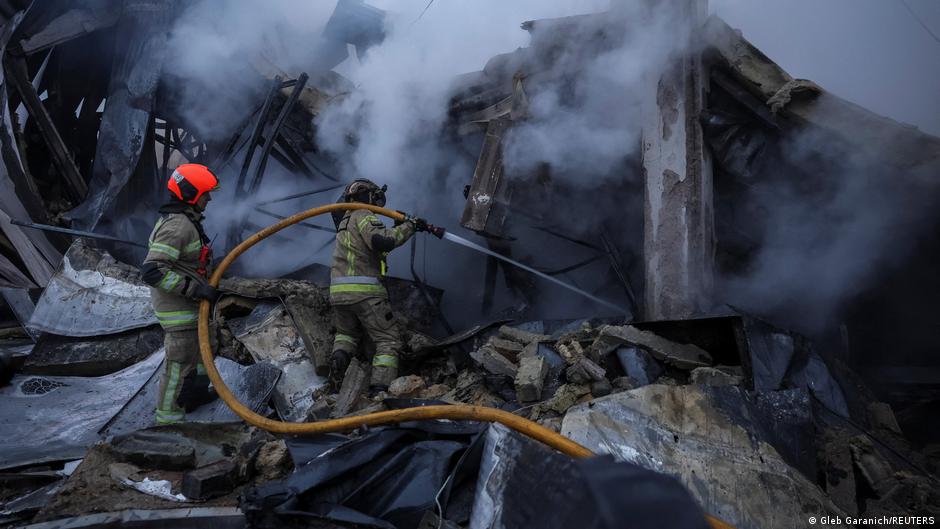
The financial figures discussed vary: two sources mentioned a direct release of $10 billion, while others suggested the total could be as high as $20 billion. The first tranche—over $3 billion—has allegedly already been transferred to Tehran. In return, Iran has committed to stopping missile and unmanned aerial vehicle (UAV) strikes targeting the UAE, with the last known attack occurring on May 4, when the Fujairah port in the Gulf of Oman was hit.
Implications for US Sanctions and American Business Interests
Following these disclosures, the UAE’s Ministry of Foreign Affairs quickly disavowed the claim, calling it "completely false and baseless," and stating that no Iranian frozen assets had been unfrozen or moved through UAE channels. Afra Al Hameli, Director of the Strategic Communications Department at the UAE MFA, emphasized this denial on social media shortly after the Reuters story broke.
Reuters further clarified that it could not independently verify whether the funds in question belong directly to the UAE or represent Iranian assets frozen within or outside the UAE’s banking system.
This development comes amid broader diplomatic efforts involving the US and Iran. Pakistan’s Prime Minister Shehbaz Sharif, a key mediator, announced that the final text of a peace agreement between Washington and Tehran had been agreed upon, signaling a potential thaw in one of the world’s most protracted geopolitical conflicts. A US government source told AFP they are "80-85 percent" confident that a peace deal might be signed soon.
The draft US-Iran memorandum reportedly includes immediate cessation of hostilities, withdrawal of US troops from territories bordering Iran, lifting of blockades on Iranian ports, and reopening of the Strait of Hormuz within 30 days. Iranian Foreign Minister Abbas Araghchi noted that negotiations over Iran’s nuclear program and US sanctions relief will follow in a subsequent phase after a 60-day period aimed at finalizing the ceasefire.
For American businesses and policymakers, these developments carry significant implications. A partial unfreezing of Iranian assets in the UAE could signal a shift in how US sanctions are enforced or circumvented in the Gulf, affecting global oil markets and complicating compliance for companies engaged in regional trade and finance. Furthermore, progress toward a formal peace agreement may facilitate the reintroduction of Iranian oil to global markets, impacting energy prices and supply chains critical to US interests.
US companies operating in the Gulf must monitor these diplomatic shifts closely, as renewed economic engagement with Iran and alterations in sanction regimes could open new opportunities but also pose compliance challenges. For policymakers in Washington, balancing support for regional stability with the enforcement of sanctions remains a delicate task amid evolving geopolitical dynamics.