UK Grants Indefinite License for Russian Oil-Derived Fuel Imports Amid Global Energy Strains
London authorizes import of kerosene and diesel made from Russian oil in third countries, echoing US moves to ease energy supply pressures.
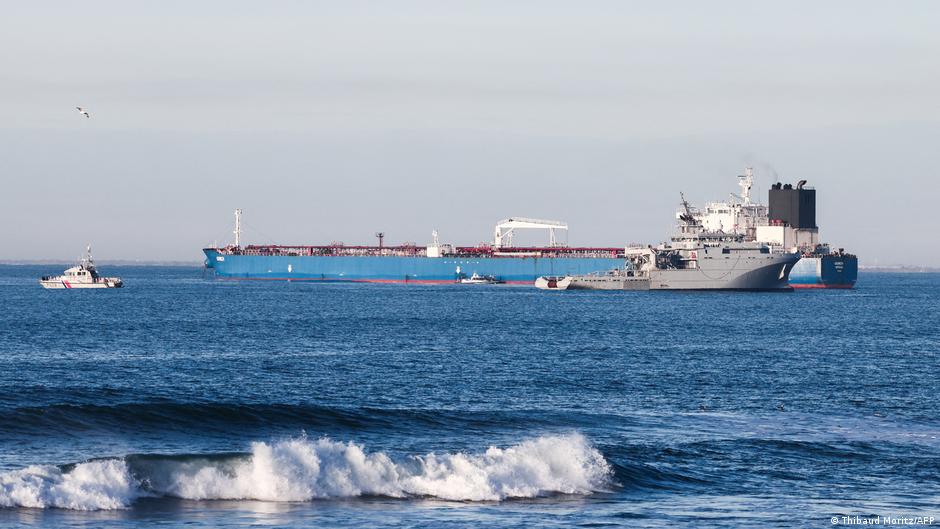
On May 20, the United Kingdom enacted a new policy allowing the indefinite import of diesel and aviation kerosene refined from Russian crude oil sourced through third countries. This move marks a significant shift from the UK's prior sanctions regime, which banned Russian oil imports in 2022 following Russia's full-scale invasion of Ukraine.
Context and Implications for US-UK Energy and Sanctions Policy
The British government’s decision to issue this open-ended license reflects mounting pressures on energy markets caused by geopolitical conflicts, notably the ongoing Iran war and disruptions in global fuel supply chains. The license permits UK businesses to legally import petroleum products of Russian origin, circumventing existing sanctions aimed at curbing Moscow's energy revenues.
"The license will be periodically reviewed, but its indefinite nature signals a pragmatic response to soaring fuel costs and supply challenges affecting British consumers and industries," government officials noted.
This policy aligns closely with recent actions by the United States, which on May 18 extended licenses for maritime transport and sales of Russian oil and petroleum products, similarly bypassing sanctions. The US Treasury emphasized that such licenses aim to support vulnerable nations facing energy shortages intensified by the Iran conflict.
Additionally, the UK has authorized maritime shipments of Russian liquefied natural gas (LNG) until January 1, 2027, further indicating a strategic pivot toward stabilizing energy imports amid global market volatility.
Historically, the UK banned imports of Russian crude oil and coal in 2022, reinforcing its stance on punishing Russia over Ukraine. However, in October 2025, London prohibited imports of petroleum products refined in third countries from Russian feedstock. This recent license reverses aspects of that policy, responding to market realities.
The broader context includes increasing Russian oil export revenues, attributed to heightened demand and constrained supply from other producers. Bloomberg reports that Russia's weekly payments for oil exports reached an average of $2.42 billion by early May 2026, the highest since the Ukraine conflict commenced.
Washington’s temporary easing of sanctions and market openings for Russian oil amid the Iran war and the blockade of the Strait of Hormuz illustrate a pragmatic approach balancing geopolitical objectives with global energy security.
Impacts on American Companies and Transatlantic Relations
For US businesses, especially those in the energy sector and fuel-dependent industries, the UK's policy signals potential easing of global supply bottlenecks but also introduces complex compliance considerations. Companies involved in transatlantic trade must navigate evolving sanction licenses that permit indirect Russian oil derivatives while avoiding direct Russian imports.
Moreover, the policy shifts highlight the delicate balancing act Washington and London face: maintaining pressure on Moscow while ensuring stable energy supplies to temper inflation and support economic activity at home.
Experts caution that these developments could complicate US-led sanction enforcement and impact geopolitical dynamics in energy markets, requiring close monitoring by policymakers and businesses alike.