Ukraine Seizes Initiative from Russia Amid Escalating Drone Strikes, The Economist Reports
Ukraine’s expanding deep strikes into Russian territory signal a strategic shift, impacting regional stability and US business interests.
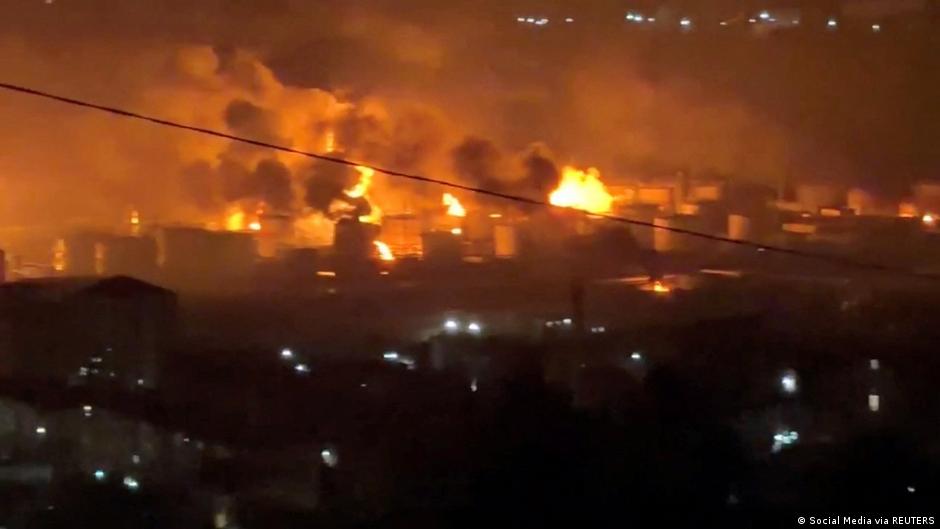
The Economist reports a significant shift in the Ukraine-Russia conflict dynamics, with Ukraine regaining the strategic initiative it had lost over the past three years. This development carries important implications for Washington, American businesses, and the broader geopolitical landscape.
Ukraine’s Expanding Offensive and Its Strategic Implications
According to an analysis published on May 10 by The Economist, Ukrainian forces have significantly escalated their offensive operations against Russia. After enduring relentless Russian drone and missile attacks throughout a harsh winter that targeted Ukrainian cities and critical energy infrastructure, Ukraine is now aggressively retaliating. The publication highlights that almost every Ukrainian operation inflicts increasingly substantial damage deep inside Russian territory.
Data derived from the American Institute for the Study of War (ISW) maps indicate that in April 2026, Russian forces lost more territory than they gained for the first time since August 2024. This marks a reversal in the conflict’s momentum, with Russia ceding control over approximately 133 square kilometers in the last 30 days. The Economist notes that Russia’s anticipated spring offensive amounted to little more than a “bluff,” failing to halt Ukrainian advances.
Significantly, Ukraine has enhanced the scale, range, and intensity of drone strikes, surpassing Russia in the number of long-range unmanned aerial vehicle (UAV) attacks as early as March. Ukrainian drones regularly target economic and military sites located nearly 2,000 kilometers from its borders — putting roughly 70% of Russia’s population within striking distance. This expanded operational reach not only disrupts Russian logistics but also threatens economic assets critical to Moscow’s war effort.
"Ukraine is now inflicting growing damage with nearly every action it takes, signaling a strategic shift in the conflict," The Economist asserts.
The human cost for Russia remains severe, with estimates indicating 1.4 million killed or severely wounded since the full-scale invasion began, and monthly military losses averaging around 35,000 personnel. The high attrition affects not only Russia’s military capacity but also its industrial base, which is tightly integrated with global supply chains that American companies monitor closely.
Washington’s Strategic and Economic Considerations
From a US business and political perspective, this evolving conflict dynamic demands careful attention. The growing effectiveness of Ukrainian drone warfare and the setbacks faced by Russian forces could accelerate shifts in global energy markets, supply chains, and defense procurement strategies.
Western sanctions and military aid packages supporting Ukraine have been substantial, but the prolonged conflict risks destabilizing energy prices and commodity availability. American companies with exposure to European energy markets or involved in defense manufacturing should anticipate potential volatility. Additionally, the conflict’s trajectory will influence Washington’s diplomatic posture and military assistance commitments.
Sir Lawrence Freedman, emeritus professor at the Royal College of Defence Studies in London, emphasizes that the upcoming summer months will be critical in determining whether Russia can offset Ukraine’s advances with a major counteroffensive or if Ukraine will continue consolidating its gains, especially in UAV technology.
On May 11, EU High Representative for Foreign Affairs and Security Policy Josep Borrell remarked after a Brussels meeting of EU foreign ministers that Ukraine's position has markedly improved compared to a year ago, while Russian President Vladimir Putin is weaker than ever. This consensus within the EU aligns with Washington’s strategic assessments and reinforces transatlantic cooperation in responding to the conflict’s developments.
For US policymakers and corporations, understanding these shifts is crucial for strategic planning. The conflict’s impact on global security, energy supply, and defense sectors directly correlates with American economic interests and national security priorities.



