UN Faces Financial Crisis as US and China Delay Payments Amid Budget Cuts
United Nations nears insolvency due to delayed contributions from the US and China, threatening key peacekeeping and humanitarian operations.
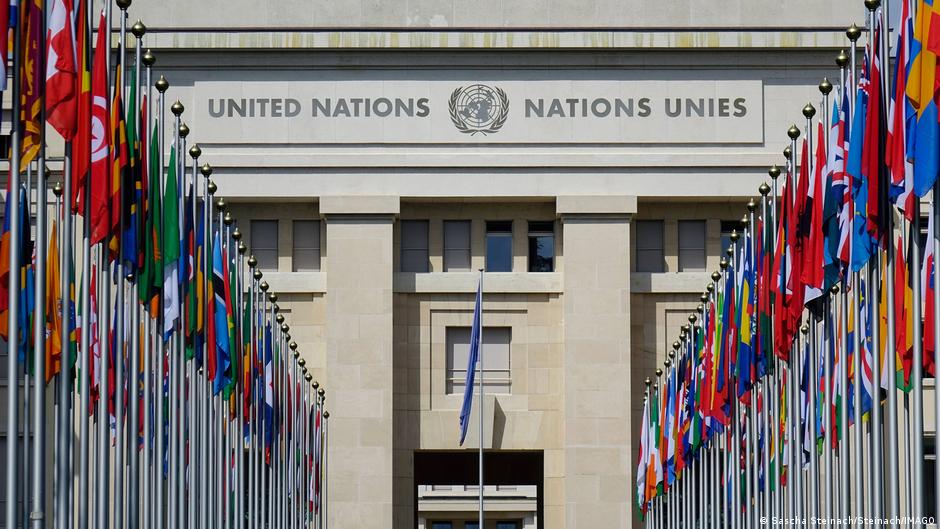
The United Nations is on the brink of insolvency, as delayed payments from the United States and China—accounting for 42% of the organization’s budget—have placed the global body in a precarious financial position, according to reports from The Wall Street Journal.
The US owes the UN more than $4 billion, while China, despite a recent payment of nearly $850 million during Foreign Minister Wang Yi's visit to UN headquarters in New York, still owes approximately $455 million. China asserts its commitment to fulfill its financial obligations and describes itself as a "de facto" main financial backer of the UN.
Washington Links Funding to UN Spending Reforms
The US has tied its future financial contributions to significant spending reforms at the UN. Washington demands cost-cutting measures including reductions in personnel, fewer business-class flights, and increased use of machine translation to lower operational expenses.
Other major donors, such as Germany and the United Kingdom, have also reduced support, impacting humanitarian programs aimed at combating hunger and disease. Meanwhile, Sweden and the Netherlands have decreased funding due to political shifts to the right in their governments.
"The United Nations is in a 'race to bankruptcy,' facing a very real prospect of financial collapse," UN Secretary-General António Guterres warned as early as October 2023.
UN Secretary-General António Guterres has repeatedly sounded the alarm on the organization's financial health, highlighting a "very real prospect of financial collapse." Projections suggest that UN funds could be depleted by mid-August 2024, intensifying pressure on the organization ahead of Guterres’ successor selection, scheduled for late 2026.
In response to the crisis, the UN has implemented sweeping austerity measures, including shuttering offices and cutting a record 3,000 Secretariat positions. Additional cutbacks have included shortened translator shifts, disabling escalators in offices, and postponing repairs to the New York headquarters facade.
The financial pinch has also accelerated troop withdrawals from conflict zones in Africa and severely reduced expenditures on peacekeeping missions. Payments to lower-income countries such as Nepal and Bangladesh, which supply troops for UN peacekeeping, have been deferred.
Complicating matters, the UN is prohibited from borrowing funds and its leadership has limited authority to restructure operations or reduce staff, despite personnel costs accounting for 70% of the budget. For example, a cost-saving proposal to close a secured entrance to the headquarters was reversed after diplomatic objections.
Implications for US Businesses and Global Stability
The financial instability at the UN poses significant ramifications for American businesses and foreign policy interests. The UN’s ability to maintain peacekeeping operations and humanitarian aid programs directly influences global markets and geopolitical stability, which are critical to US economic and security interests.
Delays in peacekeeping and diminished humanitarian programs could exacerbate conflicts and humanitarian crises, potentially leading to increased refugee flows and regional instability—factors that impact international trade and investment climates.
American companies engaged in global markets may also face indirect consequences from reduced UN operations, as instability can disrupt supply chains and heighten geopolitical risks. Furthermore, the US's firm stance on budget cuts and reforms at the UN underscores a broader policy approach prioritizing fiscal prudence but also risks diminishing US leadership influence in multilateral institutions.
As the UN navigates this financial crisis, the next steps taken by Washington and other major donors will be crucial in determining the organization's viability and the broader implications for global governance and American strategic interests.