UN Peacekeeping Forces at 25-Year Low Amid Funding Crisis and Geopolitical Tensions
Sharp reduction in UN peacekeepers by 2025 signals mounting challenges for international conflict resolution and impacts US diplomatic and business interests.
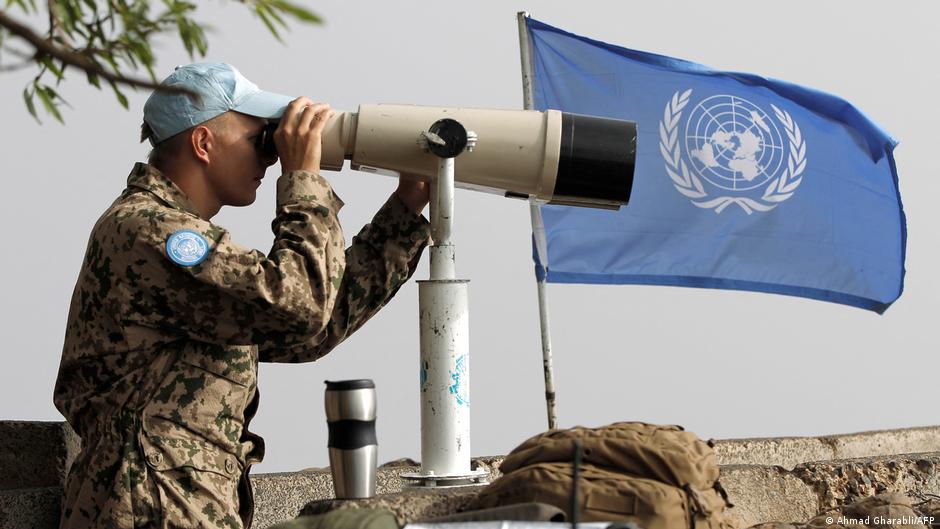
According to a recent report by the Stockholm International Peace Research Institute (SIPRI), the number of United Nations peacekeepers worldwide has dropped to its lowest level since 2000. By the end of 2025, only 78,633 international personnel were deployed across UN peacekeeping missions, marking a 49% decline compared to 2016 and a 17% drop from the previous year.
Geopolitical and Financial Challenges Undermine UN Peacekeeping Capacity
This significant reduction in peacekeeping personnel reflects intensifying geopolitical tensions, political pressures, and a severe funding shortfall. SIPRI highlights that leading donors have delayed or withheld contributions, resulting in a $2 billion deficit by mid-2025—equivalent to 35% of the UN peacekeeping budget for 2024-2025.
"If this trend continues, we will witness a dramatic weakening of multilateral conflict resolution efforts and a near loss of relevance for institutions like the UN," said Yair van der Lijn, director of SIPRI's peacekeeping operations program.
These developments carry particularly grave implications for global stability and security, with an anticipated increase in conflicts that could have devastating effects on civilian populations as states retreat from established international norms.
The crisis has forced the UN to slash personnel numbers in multiple key peacekeeping missions, including the discontinuation of four operations compared to 2024. Notably, the UN mission in Nagorno-Karabakh was not renewed.
Geographically, Africa south of the Sahara and Europe hosted 18 peacekeeping operations in 2025, while the Middle East and North Africa had 14, North and South America five, and Asia and Oceania three. Despite this, nearly three-quarters of peacekeepers were concentrated in just five missions, four of which were in sub-Saharan Africa.
US Political Influence and Impact on American Interests
Political maneuvering within the UN Security Council, particularly by permanent members such as the United States, has complicated decisions on renewing peacekeeping mandates. For example, despite ongoing ceasefire violations between Israel and Lebanon in 2024, the US pressured for the termination of the UN Interim Force in Lebanon (UNIFIL) during mandate renewal talks in August 2025. Ultimately, the Security Council extended UNIFIL's mandate only until December 2026 as a compromise.
The US's assertive stance within the Security Council signals shifting priorities that could impact American diplomatic leverage in conflict zones. This uncertainty weakens predictability for multinational businesses operating in affected regions, increasing risks related to security and stability.
Furthermore, the diminishing role of UN peacekeeping diminishes multilateral frameworks that US companies rely on to mitigate geopolitical risks, manage supply chains, and protect investments in volatile markets. The erosion of established norms poses a challenge for American firms seeking stable environments for operations in Africa, the Middle East, and beyond.
Regional organizations like the African Union and the Economic Community of West African States (ECOWAS) have attempted to fill some gaps left by the UN, but face similar financial and political constraints. SIPRI experts caution that these alternatives lack the integrated capabilities and funding stability that UN missions historically provided.
Claudia Pfeiffer Cruz, senior researcher at SIPRI, emphasized, "As UN-led conflict resolution efforts lose prominence, a growing void emerges that alternative models cannot adequately fill. Regional bodies suffer from funding shortages and decision-making delays comparable to those at the UN."
Despite these challenges, international support for peacekeeping remains broadly stable. At the May 2025 UN Peacekeeping Ministerial Forum in Berlin, more than 130 member states participated in discussions aimed at securing the future of UN peace operations. This indicates ongoing recognition of the importance of multilateral peace efforts.
However, experts underscore that verbal support alone is insufficient. Securing predictable funding streams and establishing a firm political foundation are critical to enabling effective multilateral peacekeeping missions capable of sustaining global security.
Implications for US Policy and Business Strategy
The decline in UN peacekeeping capacity amid geopolitical rivalries and funding shortfalls poses direct challenges for US foreign policy, which traditionally relies on multilateral frameworks to project influence and manage conflicts. Reduced UN effectiveness may force Washington to reconsider its approach to international security cooperation, potentially increasing the burden on US-led initiatives or bilateral engagements.
For American businesses, especially those with interests in conflict-prone regions, this evolving landscape raises concerns over operational risk and access to stable markets. Companies may need to increase investment in security risk assessments, diversify supply chains, and engage more closely with US government agencies to navigate emerging uncertainties.
Overall, SIPRI's findings underscore the urgent need for the United States and other key stakeholders to prioritize consistent funding and political commitment to multilateral peacekeeping efforts. Failure to do so could exacerbate global instability and undermine both diplomatic and economic objectives.