US-Brokered Israel-Lebanon Ceasefire May Impact Regional Stability and American Business Interests
Israel and Lebanon, mediated by the United States, agree to ceasefire with conditions targeting Hezbollah's withdrawal and security zones.
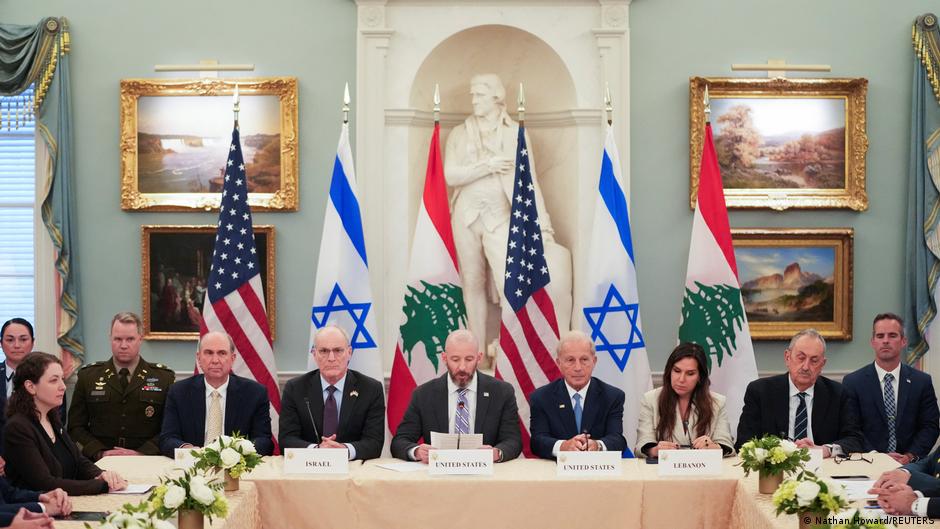
The United States Department of State announced a ceasefire agreement between Israel and Lebanon brokered through American mediation. The accord requires a full cessation of fire by Hezbollah and the withdrawal of its fighters from the area south of the Litani River.
The tripartite statement released on June 3 follows intensive two-day negotiations held in Washington involving Israeli and Lebanese representatives. The agreement's enforcement hinges on Hezbollah's compliance with the ceasefire terms and the establishment of pilot zones exclusively controlled by the Lebanese Armed Forces.
Potential Consequences for Regional Security and US Business
The ceasefire comes amid heightened hostilities following the US-Israel conflict with Iran that reignited in March after the death of Iran’s Supreme Leader Ayatollah Ali Khamenei, which resulted from joint American-Israeli strikes. Hezbollah responded with rocket attacks on Israel, prompting massive Israeli airstrikes on Lebanon, including its capital Beirut. Israel also launched a ground operation in southern Lebanon to establish a buffer zone between the Litani River and its border.
“Compliance with the ceasefire depends on Hezbollah’s complete cessation of hostilities and withdrawal from southern areas, with Lebanese army oversight in designated zones.”
These developments have led to significant casualties, with the Lebanese Ministry of Health reporting approximately 2,200 deaths, including many women and children. The Israeli military has estimated over 1,700 Hezbollah fighters killed since March. The ongoing conflict has disrupted regional stability, affecting energy markets and supply chains critical to US companies operating in or sourcing from the Middle East.
Direct negotiations between Israel and Lebanon resumed in April—the first since 1993—following US-led diplomatic initiatives. Despite brief ceasefire extensions, violence resumed, complicating the political landscape. Notably, US President Donald Trump played a central role in facilitating the latest ceasefire despite earlier tensions with Israeli Prime Minister Benjamin Netanyahu over military operations near Beirut that threatened to derail peace talks.
From a Washington perspective, the ceasefire may ease immediate geopolitical risks, potentially stabilizing oil prices and reducing disruptions to global trade routes. However, the fragile nature of the truce and ongoing US-Iran tensions pose continued challenges for American businesses dependent on Middle Eastern stability.
Looking ahead, Lebanon and Israel plan further direct talks starting the week of June 22, aiming for a comprehensive agreement addressing unresolved issues. US officials remain engaged, emphasizing the importance of maintaining the ceasefire to foster a conducive environment for economic activities and regional security, which aligns with broader American strategic and commercial interests.



