US Charges Raul Castro with 1996 Killings of American Pilots, Signaling Tighter Cuba Policy
The US Justice Department accuses former Cuban leader Raul Castro of conspiracy in the 1996 downing of planes carrying American citizens, intensifying Washington-Havana tensions with potential impacts on US businesses.
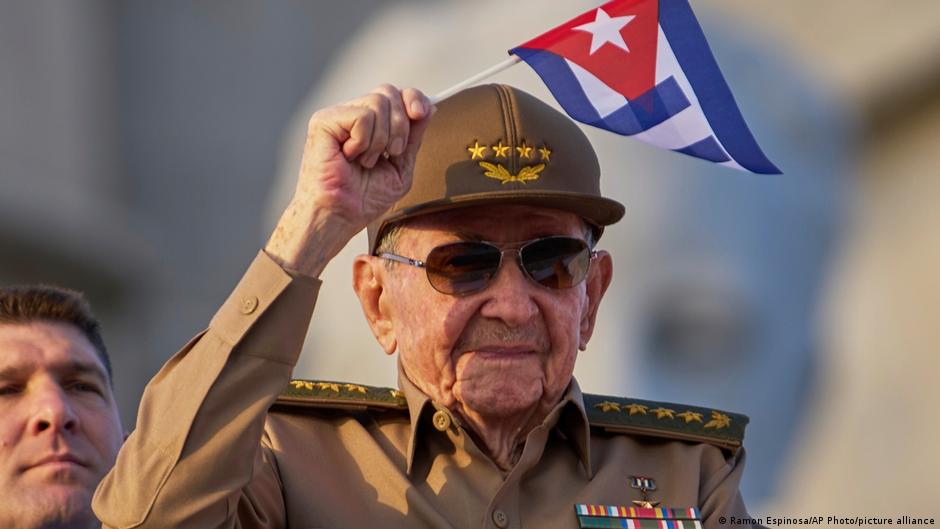
The US Department of Justice has formally charged former Cuban leader Raul Castro with the 1996 killing of four American pilots, marking a significant escalation in US-Cuba relations under the current administration. Acting Attorney General Todd Blanche announced the indictment on May 20 in Miami, accusing Castro of conspiring to murder US citizens as part of a decades-old incident that continues to influence diplomatic and economic dynamics.
Background of the 1996 Incident and US Legal Action
At the heart of the charges lies the downing of two planes operated by Brothers to the Rescue, a Miami-based group that aided Cubans attempting to flee the island by sea. Cuban fighter jets shot down the aircraft, killing all four American pilots onboard. Raul Castro, then Cuba's Minister of Defense, is held responsible for ordering the lethal attack.
While the Cuban government justified the shootings as a lawful response to airspace violations, the International Civil Aviation Organization later confirmed that the planes were destroyed over international waters, complicating Havana's legal defense. The US indictment emphasizes that justice for American victims remains a priority for the Trump administration.
"The United States and President Trump will not forget their citizens," said Acting Attorney General Todd Blanche, stressing that if Castro does not cooperate voluntarily, he will be forcibly brought to the US to face charges.
Raul Castro, aged 94, has not publicly indicated he will surrender, and his last public appearance was in early May. Given Cuba’s political climate and the government's refusal to extradite him, the case carries symbolic weight rather than immediate legal consequences.
Political Ramifications and Implications for US Businesses
The indictment comes amid escalating tensions between Washington and Havana, which have worsened since the US ousted Venezuelan ally Nicolas Maduro and imposed an energy blockade on Cuba. These moves signal a hardening of policies that could affect American companies involved in trade, tourism, and energy sectors related to the Caribbean region.
Senator Marco Rubio, son of Cuban immigrants and a prominent critic of the Cuban regime, released a rare video appeal to the Cuban people urging them to reject socialist leadership and embrace a new relationship with the United States. Rubio’s message aligns with the Trump administration’s efforts to isolate Cuba economically and politically, aiming to pressure the government toward democratic reforms.
Raul Castro’s tenure included leading Cuba’s historic rapprochement with the US during the Obama presidency, a period of eased sanctions and increased business opportunities for American firms. However, these advancements were reversed under Trump, who has prioritized a confrontational approach.
For US companies, the renewed hostilities signal potential challenges in navigating Cuba’s market. Restrictions may tighten further, disrupting sectors such as travel, telecommunications, and energy investments. The indictment against Castro also underscores the administration’s readiness to leverage legal and political tools to assert US interests in the Caribbean.
As Washington continues to pursue a hardline stance, businesses with Cuban exposure are advised to monitor evolving sanctions and diplomatic developments closely. The legal case against Raul Castro, while largely symbolic, reinforces the message that US policy toward Cuba will remain stringent and politically charged.