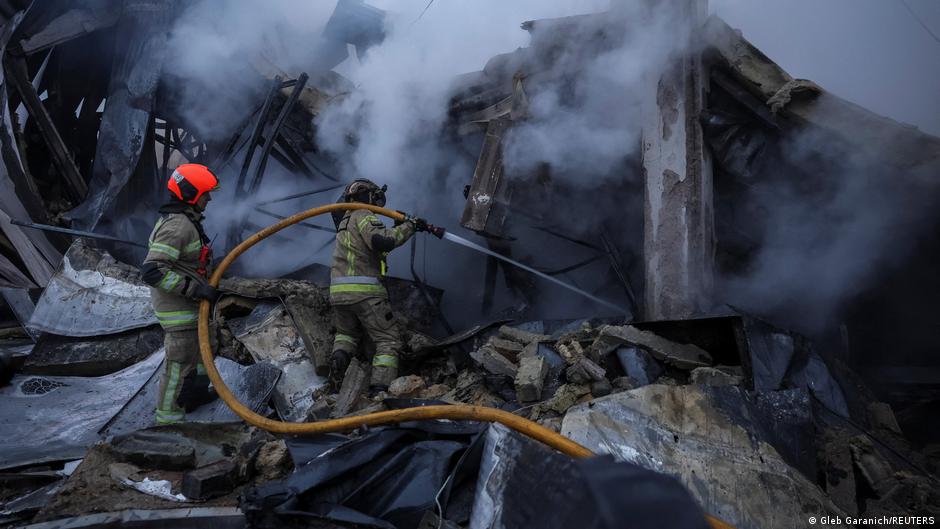
US Forces Intercept Iranian Ballistic Missile Attack Amid Rising Middle East Tensions
American troops successfully counter ballistic missile strikes launched from Iran targeting US military bases in the Middle East.
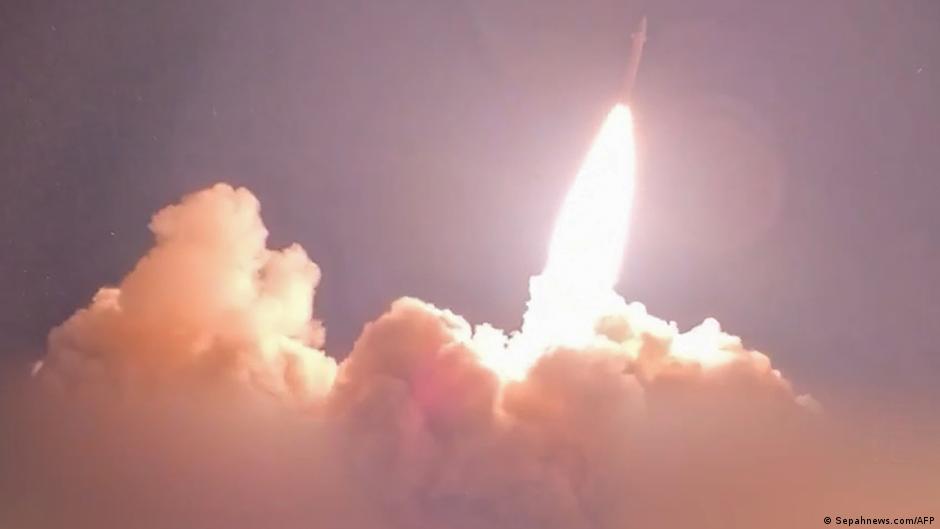
American military forces have intercepted multiple ballistic missiles launched by Iran towards US troops stationed in the Middle East, according to a statement from the United States Central Command (CENTCOM) on July 29. The missiles were fired by the Islamic Revolutionary Guard Corps (IRGC) in what CENTCOM described as an "attempted surprise attack."
The successful missile intercepts underscore the ongoing volatility in the region, where the US maintains significant military presence amid heightened tensions with Iran. Following the attacks, CENTCOM emphasized that American forces remain vigilant and at a high state of readiness.
Implications for US Military Strategy and Regional Stability
These missile strikes mark a significant escalation after a period of relative calm, during which both sides had refrained from mutual attacks. Notably, this is the first reported Iranian missile attack on a US base in the region since former President Donald Trump’s decision to halt US strikes against Iran.
"US forces in the region remain alert and prepared for potential further aggression," CENTCOM stated on its social media platform X.
Earlier reports indicated that one of the targeted military installations was a US base in Jordan, marking an expansion in the geographic scope of Iranian operations against American forces. Between July 12 and July 24, the US conducted nighttime strikes on Iranian military targets, aiming to degrade Iran’s ability to threaten commercial shipping lanes in the strategically critical Strait of Hormuz.
The IRGC has repeatedly attacked commercial tankers in this vital waterway despite ongoing informal agreements intended to ease tensions. Iran has also conducted attacks within neighboring countries, explicitly targeting US military bases to pressure Washington.
On July 21, President Trump issued a stern warning to Iran, threatening "multiple" retaliatory actions should American personnel be harmed. Since the recent escalation began, CENTCOM has reported the deaths of three US service members in the region.
After July 24, direct attacks were paused as the US administration reassessed its military approach. According to The New York Times, President Biden met with senior advisors and cabinet members and decided to delay new large-scale strikes on Iran. Concerns driving this decision included the depletion of interceptor missile stocks, such as those used by Patriot air defense systems, and the risk of triggering a broader global energy and economic crisis.
Business and Political Impact in Washington
For American businesses, particularly those in the energy and shipping sectors, the continued instability in the Middle East poses substantial risks. Disruptions in the Strait of Hormuz—a critical chokepoint for global oil shipments—could lead to increased fuel prices and supply chain interruptions, affecting US companies and consumers alike.
Politically, the missile attacks and the ongoing tension with Iran are likely to influence congressional debates over defense funding and foreign policy priorities. The Biden administration faces pressure to balance a robust military posture with diplomatic efforts to prevent further escalation that could impact global markets and American economic interests.
As tensions persist, businesses and policymakers in Washington will closely monitor developments in the Middle East to manage risks and safeguard national interests.