US House Approves New Sanctions on Russia and Expanded Aid to Ukraine
House passes bill enhancing military support for Ukraine and tightening sanctions on Russia, awaiting Senate approval.
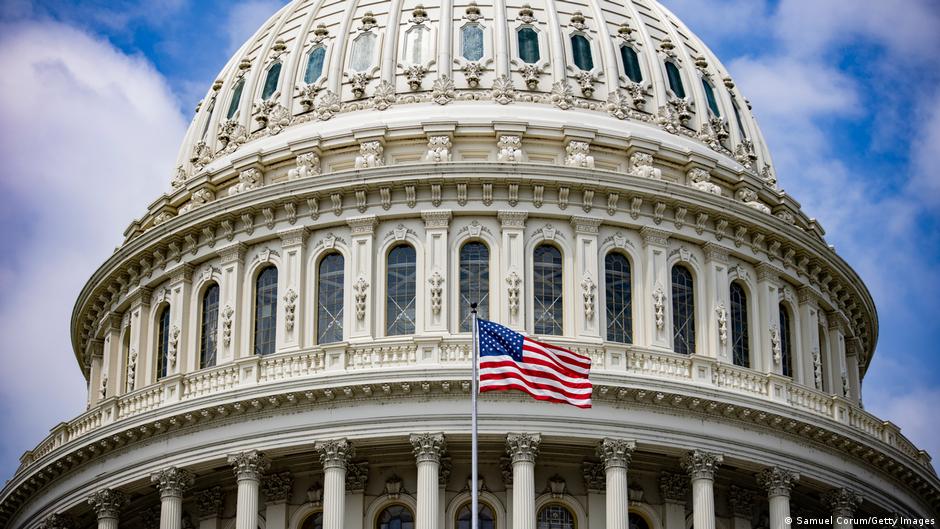
The United States House of Representatives has approved a comprehensive bill aimed at increasing support for Ukraine while intensifying sanctions against Russia. The legislation, voted on June 5, passed with 226 votes in favor and 195 against, including bipartisan support, but still requires Senate approval before becoming law.
The bill, introduced in April, establishes a dedicated fund for Ukraine’s reconstruction and renews presidential authority to transfer defense equipment to Ukraine and Eastern European allies through loan or lease mechanisms. It further authorizes the Pentagon to provide intelligence support to Ukraine through 2027. Meanwhile, the State Department is tasked with strengthening the military and border capabilities of Baltic states.
Implications for US Business and Political Landscape
Importantly, the legislation expands the president's powers to impose additional sanctions on Russia, including asset freezes and new export restrictions designed to further limit Moscow's economic capacity to sustain its war efforts. This tightening of sanctions carries significant implications for American companies engaged in global trade, as export controls and tariffs could affect supply chains and market access in Russia and related regions.
"The expanded sanctions authority underscores Washington's commitment to constraining Russian aggression, but also poses operational challenges for US businesses navigating geopolitical risks," said a policy analyst.
The bill also promotes closer cooperation with European allies on arms supplies, training of Ukrainian forces, and intelligence sharing, reinforcing the transatlantic security partnership. However, the outcome in the Senate remains uncertain, where opposition from some Republicans advocating aid reductions could stall the bill.
Looking ahead, former President Donald Trump, who has expressed skepticism about continued aid to Ukraine, could use his veto power if he returns to office in 2025, potentially slowing or complicating US assistance. His stated intent to retain presidential control over sanctions decisions highlights ongoing political tensions in Washington over the scope and duration of US involvement in the conflict.
For US businesses, the evolving sanctions regime and geopolitical dynamics will require ongoing monitoring and adaptive strategies to mitigate risks associated with trade restrictions and geopolitical instability.