US Intelligence Indicates Iran Retains Majority of Military Capabilities Despite Official Claims
New intelligence reports suggest Iran has preserved around 70% of its missile arsenal, challenging prior US government assertions of its military degradation.
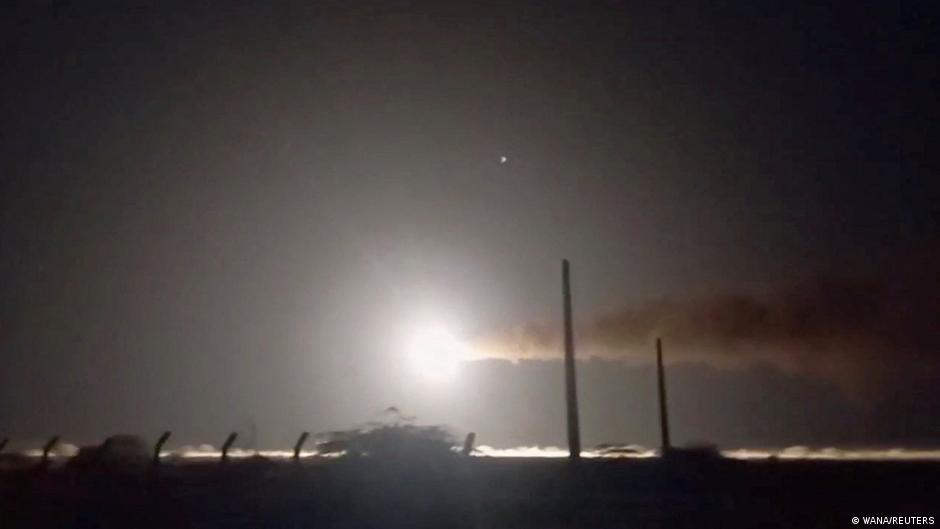
Recent intelligence assessments reveal a significant discrepancy between public statements from former President Donald Trump and senior US officials and the actual capabilities of Iran’s military missile forces. According to classified US intelligence data reported on May 12, Iran continues to operate approximately 70% of its mobile missile launchers and retains roughly 70% of its pre-conflict missile arsenal.
Implications for US Military Strategy and Defense Industry
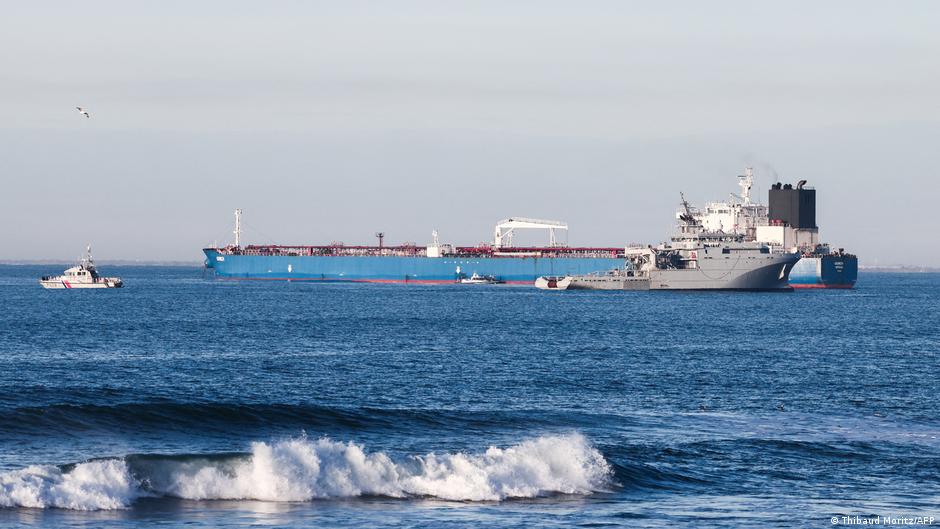
The arsenal in question includes ballistic missiles capable of striking regional targets and a smaller inventory of cruise missiles for shorter-range attacks on land or sea. Particularly concerning for US defense interests is Iran’s restoration of 30 out of 33 missile complexes along the strategically critical Strait of Hormuz, a vital chokepoint for global oil shipments.
“New intelligence data indicate that US military strikes have not achieved the level of degradation claimed, and Iran’s resilience enables rapid reconstitution of its missile forces,” analysts note.
Satellite imagery and multiple intelligence sources confirm that Iran has regained access to approximately 90% of its underground missile storage and launch sites nationwide. These sites are assessed to be partially or fully operational, preserving Iran’s capacity to threaten US naval vessels and commercial tankers transiting the Persian Gulf.
The Washington Post corroborated these findings last week, reporting Iran’s recovery of about 75% of its mobile launchers and 70% of its pre-conflict missile stockpile. These revelations undercut earlier statements by Trump and then-Defense Secretary Mark Esper, who asserted that Iran’s missile capabilities had been "destroyed" or rendered non-threatening.
Trump, in response to media reporting, accused news outlets of biased coverage amounting to "practically treasonous" support for US adversaries, though without citing specific articles.
Adding to the challenge, US military stocks of key munitions—including Tomahawk cruise missiles, Patriot surface-to-air missiles, and Precision Strike and ATACMS ground-launched rockets—have been significantly depleted. Analysts warn that any renewed US strikes aimed at further degrading Iran’s missile forces would strain these limited inventories and exacerbate existing production bottlenecks faced by the Pentagon and defense contractors.
European allies, who have procured billions in US munitions for Ukraine’s defense, express concern that their own deliveries could be delayed or reduced as US forces prioritize replenishing their own stockpiles.
Despite the intelligence, White House spokesperson Olivia Walts reiterated the official position that Iran’s military potential has been "crushed," asserting that any belief in Iran’s military restoration is either misinformed or aligned with Revolutionary Guard propaganda. The Pentagon’s press secretary also affirmed that US forces maintain sufficient capability to defend national interests.
For American businesses, these developments signal a potential prolongation of US military engagement in the Middle East with consequential impacts on defense spending, supply chain management, and geopolitical risk. Defense contractors may face increased demand for missile and munitions production amid ongoing inventory challenges, while broader economic uncertainties persist due to sustained regional instability affecting global energy markets and shipping routes.