US Military Downs Four Iranian Drones Amid Rising Tensions in Strait of Hormuz
American forces intercepted Iranian drone threats targeting critical maritime routes, signaling heightened regional volatility affecting global trade and US business interests.

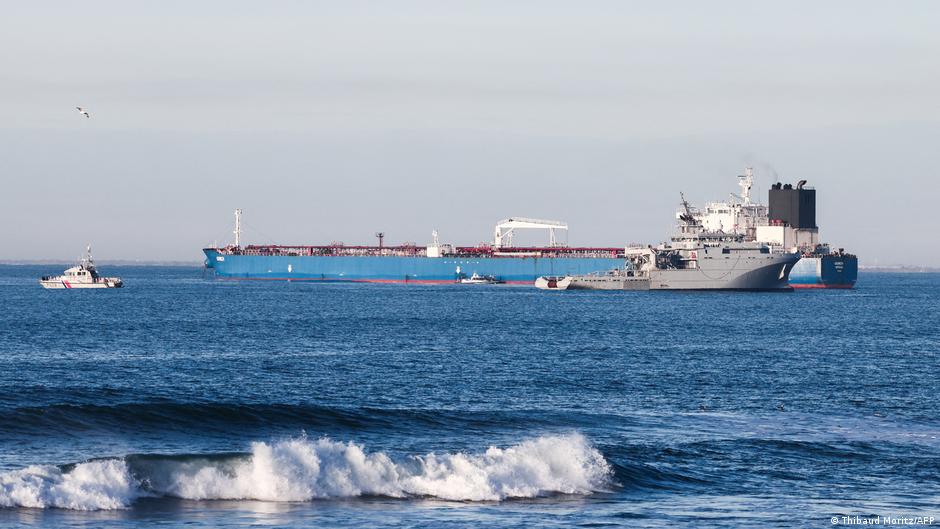
The US Central Command (CENTCOM) announced on June 6 that it had successfully shot down four Iranian kamikaze drones launched toward the Strait of Hormuz, a crucial chokepoint for global maritime commerce. The drones were deemed an immediate threat to shipping in the area, prompting the US military to take defensive action.
Implications for Maritime Security and US Business
Following the interception of the unmanned aerial vehicles, US forces conducted strikes against Iranian coastal radar stations located in Goruk and on Qeshm Island. These targets are strategically positioned to monitor and potentially disrupt maritime navigation through the Strait, which is vital for the transit of oil, liquefied natural gas, and various commodities.
“American forces remain vigilant and prepared to respond defensively to any unwarranted aggression from Iran,” CENTCOM stated.
The Strait of Hormuz is one of the world's most important maritime arteries, with approximately 20% of global oil passing through it. Any disruption in this corridor could have significant consequences for energy markets and American companies reliant on stable oil prices and shipping lanes.
The recent drone attacks follow escalating hostilities in the region, particularly after the Islamic Revolutionary Guard Corps (IRGC) launched ballistic missiles and drones toward neighboring Gulf states Kuwait and Bahrain earlier in June. These strikes targeted US military installations, heightening security concerns among American businesses and policymakers.
In response, US military forces have demonstrated a readiness to neutralize threats and protect both military and civilian maritime operations, underscoring the strategic priority Washington places on safeguarding freedom of navigation and regional stability.
Moreover, Kuwait reported new enemy missile and drone attacks on its territory, with national air defenses actively intercepting incoming threats. The increasing frequency of such incidents raises concerns about the potential for broader conflict that could disrupt trade routes and regional energy supplies.
These developments occur amid stalled diplomatic negotiations aimed at formalizing a framework agreement to end ongoing hostilities and reopen the Strait of Hormuz for commercial shipping. The absence of progress in talks is unsettling for US businesses dependent on uninterrupted supply chains and predictable geopolitical conditions.
From a Washington perspective, the confrontation between Iranian forces and US military assets not only heightens regional instability but also risks reverberating through global markets. Energy firms, shipping companies, and investors closely monitor these incidents, as escalations could increase insurance costs, delay shipments, and push oil prices upward.
US President Donald Trump recently announced a cessation of hostilities in Lebanon, coinciding with the slated resumption of political negotiations between Israel and Lebanon. However, Iranian-backed Hezbollah continues to reject engagement with Israel, and Lebanon’s government does not directly participate in the conflict, indicating unresolved tensions in other regional hotspots.
In sum, the US military's recent actions against Iranian drone threats reflect broader strategic efforts to maintain security in a region critical to global commerce. For American businesses, stability in the Strait of Hormuz is essential to safeguarding supply chains, managing costs, and sustaining economic growth amid ongoing geopolitical turmoil.