US Military Strikes Iran Following Apache Helicopter Downing, Raising Tensions in Strait of Hormuz
Washington launches targeted strikes on Iranian air defense amid escalating regional conflict, signaling potential risks for US business interests.
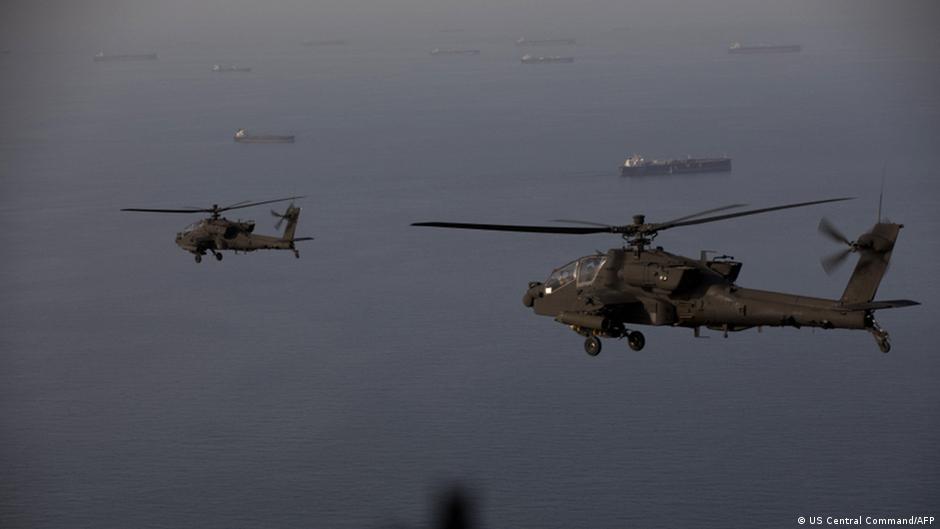
On June 9, the United States Armed Forces resumed military strikes against Iran in direct response to the downing of an American Apache attack helicopter over the Strait of Hormuz. The Central Command (CENTCOM) described the operation as a "proportional response to unjustified Iranian aggression." This escalation has further heightened geopolitical tensions in a region critical for global energy supply chains.
Details of the US-Iran Confrontation and Regional Implications
US President Donald Trump affirmed the necessity of the military response in an interview, stating, "The response should be very strong, very powerful, and that is exactly what it is now." According to reports from Axios, the strikes targeted multiple Iranian air defense systems and radar installations near the Strait of Hormuz, a strategic maritime chokepoint through which a significant portion of the world's oil passes.
Iranian media outlets confirmed explosions along the southern Iranian coast, particularly near the cities of Sirik and Minab, and on Qeshm Island. The Iranian Foreign Minister, Abbas Araghchi, issued a stern warning on social media, emphasizing Iran's readiness to retaliate and urging US forces to leave the region to ensure their own safety.
"Our powerful armed forces will not leave any attack or threat unanswered. Leave our region if you want to be safe," Araghchi said.
Following the strikes, the Islamic Revolutionary Guard Corps (IRGC) declared that Iran had launched missiles and drones at US targets in the region, signaling a potential escalation cycle.
CENTCOM later confirmed the completion of the operation, indicating that US forces had struck Iranian air defense sites, command points, and radar stations near the Strait of Hormuz.
The incident originated after an Apache helicopter was downed, reportedly following a collision with an Iranian drone during a patrol mission. Both US pilots survived unharmed. The exact circumstances around the collision remain unclear, with no official confirmation regarding whether it was intentional.
These events come amid rising hostilities between the US, Iran, and Israel. Earlier in June, Iran launched rocket attacks on Israel following Israeli airstrikes near Beirut, targeting Hezbollah positions. Israel responded with renewed strikes inside Iran. Although a temporary ceasefire was announced by both Israel and Iran on June 8, the downing of the US helicopter and subsequent US strikes have undermined regional stability.
Implications for US Business and Energy Markets
The Strait of Hormuz is a vital artery for global oil exports, with about 20% of the world’s petroleum passing through these waters daily. Any military escalation in this region can disrupt oil shipments, cause volatility in global energy markets, and increase operational risks for American companies involved in energy, shipping, and insurance sectors.
US businesses may face higher costs due to increased insurance premiums for vessels transiting the region, potential delays or rerouting of shipments, and broader market uncertainties. Energy companies and investors closely monitoring the situation could see fluctuations in oil prices, impacting fuel costs and supply chain expenses across various industries.
Moreover, heightened US-Iran tensions could complicate ongoing diplomatic efforts. President Trump indicated that a peaceful agreement with Tehran remains attainable, mentioning that negotiations were in the "final stage" and could conclude within days. However, the military exchanges threaten to derail progress, adding unpredictability to the geopolitical environment that American businesses operate within.
Businesses with exposure to Middle East markets should prepare for sustained volatility and consider contingency plans to mitigate risks arising from potential further escalations between the US and Iran.