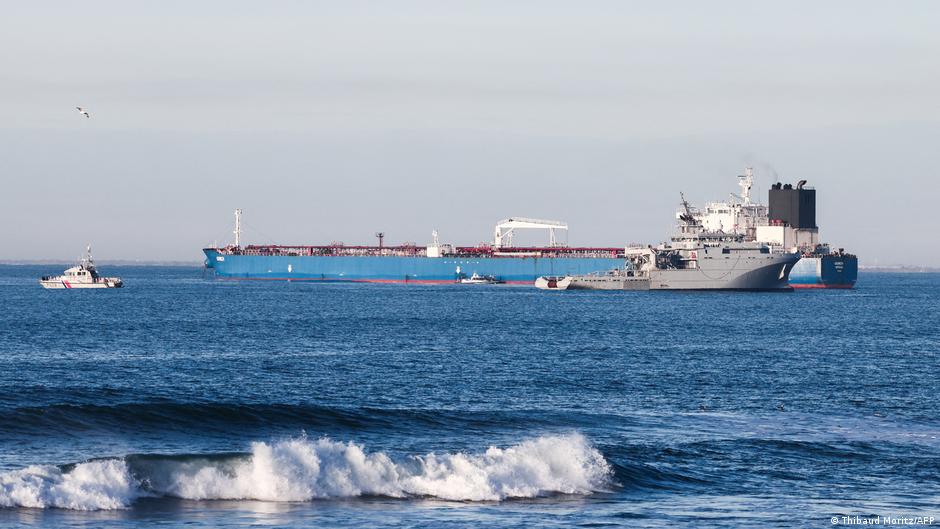
US Military Strikes Vessel Heading to Iran Amid Strait of Hormuz Blockade Enforcement
Washington enforces Strait of Hormuz blockade by disabling a Gambian-flagged ship bound for Iran, signaling heightened tensions impacting global trade routes.
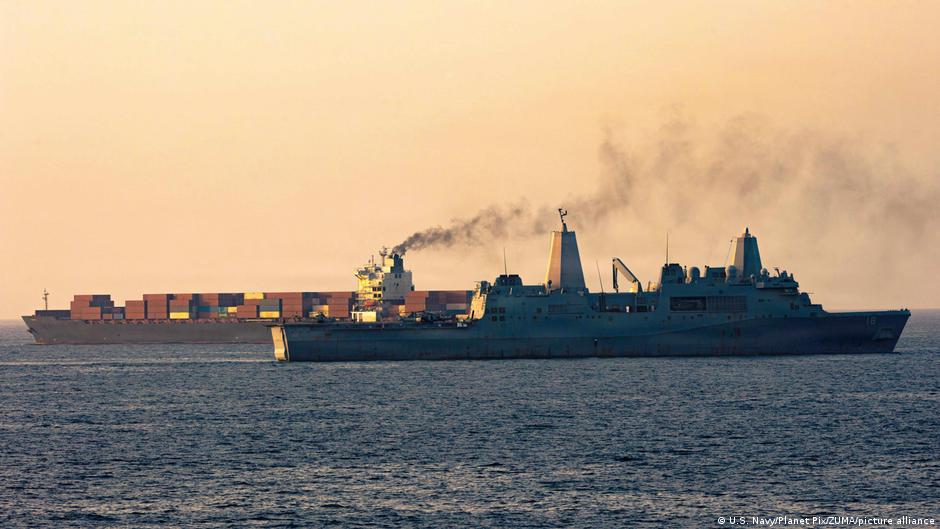
The US military has struck a Gambian-flagged vessel in the Gulf of Oman after the ship continued toward an Iranian port despite over 20 warnings, according to the United States Central Command (CENTCOM). The strike is part of ongoing US efforts to enforce a blockade of the Strait of Hormuz, a critical chokepoint for global oil shipments.
Enforcement of Strait of Hormuz Blockade and Regional Tensions
The vessel, named Lian Star, was traveling through international waters toward an Iranian port when American forces issued multiple warnings about violating the US blockade. When the ship did not comply, a US military aircraft fired a Hellfire missile targeting the ship's engine room, effectively disabling it and halting its progress.
"The American aircraft disabled the vessel after the crew failed to comply with US demands, and the ship is no longer heading toward Iran," CENTCOM stated.
Since April, when a ceasefire between Washington and Tehran took effect alongside the US blockade of the Strait of Hormuz targeting Iran-affiliated vessels, the US military has disabled five commercial ships and redirected another 116. In response, Iranian authorities have blocked the Strait for vessels linked to the United States, escalating tensions further.
This latest strike comes shortly after an Iranian missile attack on the Ali al-Salem US airbase in Kuwait, which caused minor injuries to five personnel and destroyed or severely damaged two MQ-9 Reaper drones, valued at approximately $30 million each.
Implications for US Businesses and Political Landscape
The blockade enforcement and ensuing military actions have significant implications for American companies, especially those involved in shipping, oil, and defense sectors. The Strait of Hormuz is a vital artery for global energy supplies, with disruptions potentially driving up oil prices and increasing operational risks.
US defense contractors stand to see increased demand amid rising regional hostilities, while American importers and exporters face uncertainty regarding shipping routes and insurance costs. The military actions underscore the fragile geopolitical environment that American businesses must navigate when operating in or relying on Middle Eastern markets.
Meanwhile, diplomatic efforts continue in the background. Recent reports suggest that US and Iranian negotiators have reached a preliminary framework agreement to resolve the ongoing conflict. However, President Donald Trump has not yet endorsed the deal, indicating he requires strict adherence to core US demands, including Iran's abandonment of nuclear weapons development.
Iranian officials, for their part, maintain that no final agreement has been concluded. This ongoing stalemate highlights the precarious balance between military enforcement and diplomatic negotiations, which will continue to affect US strategic interests and commercial considerations in the region.