US Pushes Russian Gas Transit Plan With Stakes for American LNG
Washington sees an energy truce and US-brokered gas sales as leverage, but the proposal could challenge American LNG suppliers.
WASHINGTON — The United States is pressing for a rapid resumption of Russian natural gas shipments to Europe through Ukraine as part of negotiations on an energy truce between Moscow and Kyiv, according to The Wall Street Journal, a proposal that could open opportunities for American investors while creating new competition for US liquefied natural gas exporters.
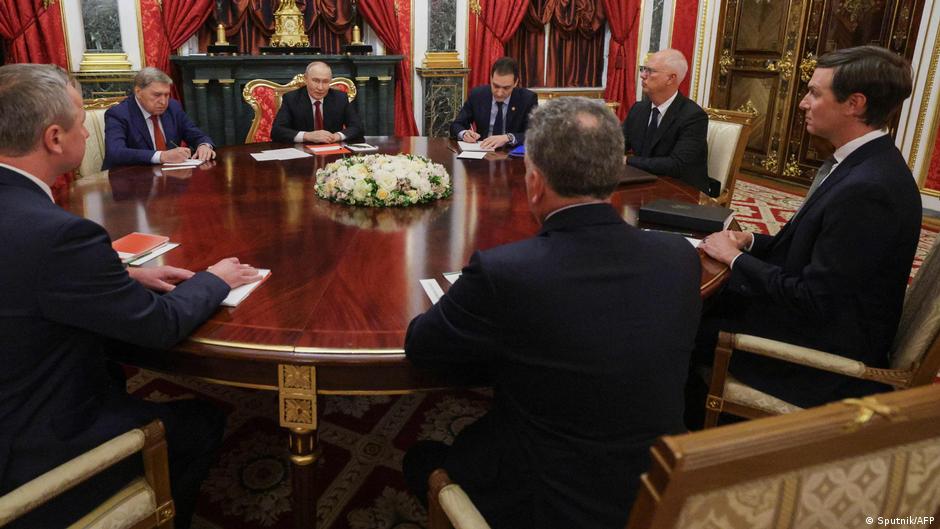
The initiative would involve selling Russian gas through an American intermediary, according to US, European and Ukrainian officials cited by the newspaper. US negotiators Jared Kushner and Steve Witkoff discussed the concept during trips to Moscow and Kyiv in September.
The proposed structure is expected to provide a way around European sanctions and create profitable opportunities for US investors. It would also place an American commercial participant at the center of a politically sensitive effort to restore part of Russia’s access to the European energy market.
Washington Seeks Leverage Ahead of Abu Dhabi Talks
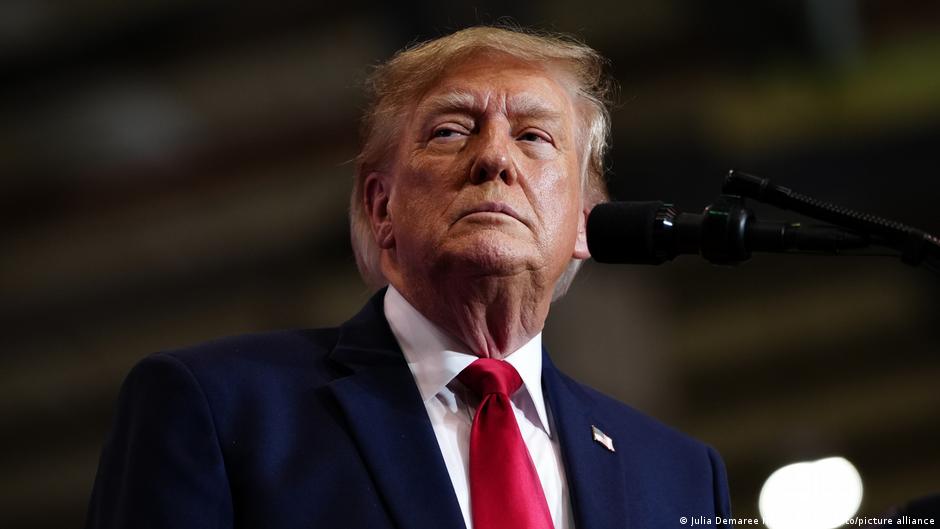
The plan is part of Washington’s effort to secure a comprehensive agreement ending attacks on energy facilities before trilateral negotiations involving the United States, Russia and Ukraine, scheduled for November in Abu Dhabi. The administration of President Donald Trump expects European resistance to the initiative may ultimately be less severe than governments have indicated publicly, according to the report.
US officials believe restoring Russian access to Europe’s gas market could give Russian President Vladimir Putin an additional incentive to support an energy ceasefire. Ukraine, meanwhile, could receive additional revenue from transporting gas across its territory.
For Washington, the proposal links a potential reduction in wartime attacks to a commercial mechanism involving US capital and oversight.
One US official said the White House had also proposed depositing proceeds from Russian gas sales to Europe into a special account in a third jurisdiction. The mechanism is intended to restrict the use of the money for military purposes.
That arrangement could give Washington a role in monitoring the financial flows, although the report did not specify which American intermediary, investors or third-country jurisdiction might participate. It also did not provide projected shipment volumes, revenue figures or a timetable for restarting transit.
US LNG Companies Face a Complicated Trade-Off
For American business, the proposal presents competing interests. A US intermediary and participating investors could gain access to transactions tied to Russian pipeline gas. At the same time, renewed pipeline deliveries could compete with LNG shipped by American producers to Europe, which has become a major market as the continent reduced its reliance on Russian supplies.
Russian gas now accounts for roughly 11% of European consumption, down from 45% before Russia’s full-scale invasion of Ukraine. US LNG currently supplies about 30% of Europe’s gas consumption, according to the newspaper.
Those figures underline the bottom-line implications for American energy companies. Europe’s shift away from Russian pipeline gas has supported demand for US LNG, as well as the terminals, tankers and related infrastructure serving transatlantic trade. A revival of Russian transit through Ukraine could alter that balance, depending on the volume, price and duration of any renewed flows.
Washington’s approach therefore appears to combine foreign-policy leverage with a business structure designed to preserve a US role in the transaction. Yet the potential benefits would not be distributed evenly across corporate America: financial intermediaries and investors could see new opportunities, while LNG exporters could face pressure from another source of European supply.
European Policy Remains the Main Obstacle
The initiative is encountering serious resistance in Europe. Existing European Union legislation calls for the phased elimination of Russian gas imports by the end of 2027, and leaders of the largest European countries have repeatedly said they do not want to become dependent on Russian energy again.
Some European officials have sharply criticized the proposal in private conversations, according to the report. Their concerns center on the possibility that restoring Russian gas flows would undermine Europe’s policy of ending reliance on energy imports from Russia.
The Trump administration, however, is betting that high energy prices and energy-security risks could make European governments more receptive to the proposal. Lower-cost or more readily available pipeline gas could test the political resolve behind the planned phaseout, particularly if governments face pressure from businesses and consumers over energy costs.
For US policymakers, the calculation extends beyond gas markets. The administration is treating energy trade as a possible incentive for Moscow, a source of transit income for Kyiv and a means of reducing attacks on critical infrastructure. For US businesses, the outcome could produce both investment openings and competitive risks, with the consequences likely to depend on whether Europe is prepared to modify its sanctions framework and long-term energy strategy.