US Sanctions Cuba’s State Oil Company Amid Heightened Pressure on Havana
Washington targets Cuba’s state-run oil enterprise CUPET as part of intensified economic sanctions against the communist regime.
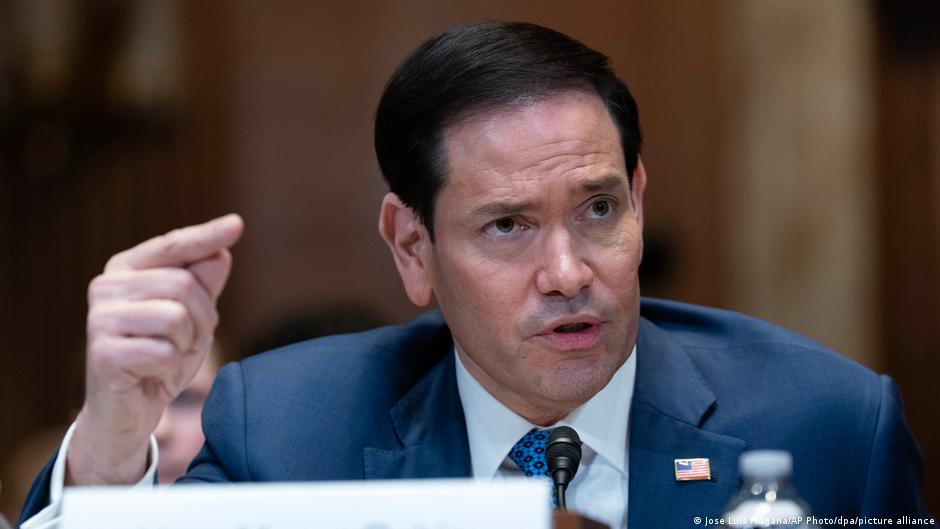
The United States government has imposed sanctions on Cuba’s state-owned oil and gas company, Union Cuba Petróleo (CUPET), escalating economic pressure on Havana amid ongoing political tensions. Secretary of State Marco Rubio announced the sanctions on June 11, describing Cuba’s communist elite as exploiting the energy sector for social control and kleptocratic gain.
Impact on US Business and Regional Energy Dynamics
CUPET has been added to the US Department of the Treasury’s Specially Designated Nationals list, prohibiting American citizens and entities from engaging in commercial transactions with the company. The sanctions extend extraterritorially, warning foreign individuals and companies that dealings with CUPET risk secondary sanctions.
"As long as the Cuban people lack economic and political freedoms, the US will continue to disrupt the regime’s ability to leverage energy trade for corrupt and repressive purposes," Rubio stated.
From a US business perspective, these sanctions further restrict opportunities for American energy firms to engage with Cuba’s oil sector, effectively closing a market previously influenced by Venezuelan oil imports. The recent US-led embargo and sanctions on Venezuela, Cuba’s main oil supplier, have already curtailed fuel flows to the island, deepening its energy crisis.
US companies involved in Caribbean and Latin American energy markets will likely monitor these developments carefully, as Washington’s stance signals a hardening approach that could limit future regional energy cooperation. Financial institutions must also ensure compliance with the expanded sanctions regime to avoid penalties related to dealings with Cuban state entities.
Broader Political and Economic Context
The sanctions are part of a broader US policy effort under the current administration to pressure the Cuban government. Earlier in June, the White House targeted Cuban President Miguel Díaz-Canel and relatives of former leader Raúl Castro with economic sanctions, citing corruption and human rights abuses. Raúl Castro, despite stepping down from official posts, remains influential in Cuban politics.
Washington’s measures come amid accusations from Havana that the US aims to provoke internal unrest or justify military intervention. The island nation, located merely 90 miles from Florida’s coast, remains subject to the US embargo established in 1962. This embargo has compounded Cuba’s economic challenges, now exacerbated by significant disruptions to electricity and fuel availability.
US intervention in the region has further influenced Cuba’s energy landscape. In January, US forces captured Venezuelan President Nicolás Maduro and brought him to the US, resulting in Caracas halting oil shipments to Cuba. This development has sharply intensified the island’s fuel shortages and economic instability.
As the Biden administration and Congress assess sanctions strategy, the unfolding US-Cuba dynamic highlights the interplay between geopolitical objectives and the commercial interests of American businesses engaged in the Western Hemisphere. The expanded sanctions on CUPET represent a critical piece of Washington’s effort to curtail the Cuban regime’s resources while signaling zero tolerance for corruption and repression in its sphere of influence.
For US companies operating in energy, finance, and trade sectors, understanding and navigating these sanctions will be essential to managing risk and aligning with evolving US foreign policy toward Cuba and the broader Caribbean region.