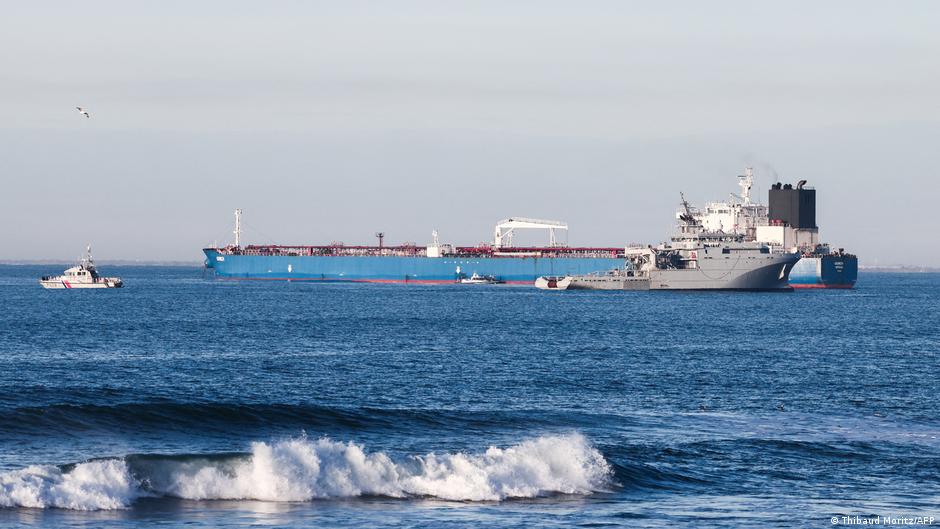
US Secretly Assists Commercial Ships Through Strait of Hormuz Amid Iran Tensions
CENTCOM covertly facilitates passage of about 70 vessels through Iranian-blocked Strait of Hormuz, impacting US business and geopolitical stability.
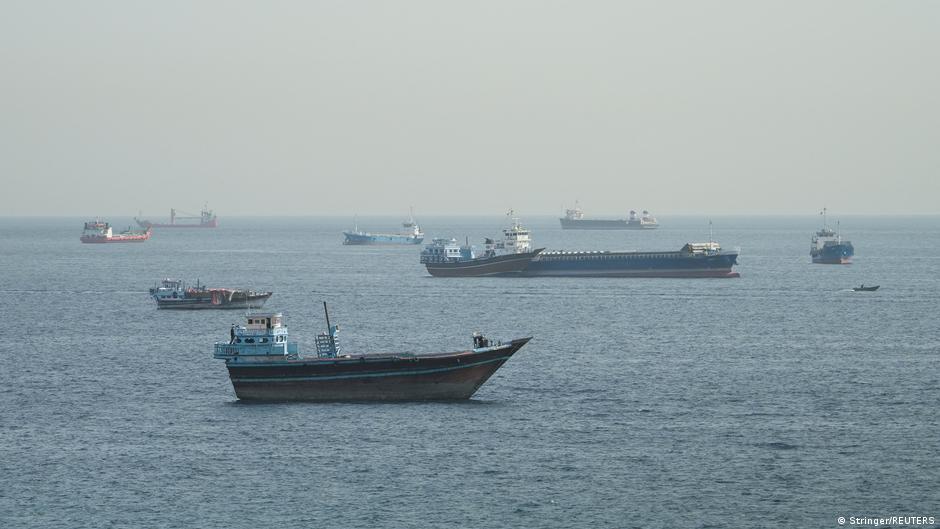
Over the past three weeks, the United States Central Command (CENTCOM) has covertly assisted approximately 70 commercial vessels in transiting the strategically vital Strait of Hormuz, which is currently blocked by Iran. This development was reported by multiple sources familiar with the operations, highlighting a significant yet discreet US effort to maintain maritime commerce despite regional tensions.
US Military Support Amid Volatile Iran-US Relations
The majority of these vessels reportedly navigated the Strait with their transponders turned off, a tactic employed to evade detection and potential hostile actions. Officials have not disclosed specific transit times or routes but confirmed that at least one operation took place far from the Iranian coastline to avoid almost certain attacks, which Iranian forces are believed to initiate against unauthorized vessels navigating close to their shores.
“The US efforts to covertly assist commercial shipping through the Strait of Hormuz reflect a strategic balancing act to uphold freedom of navigation while minimizing direct military confrontation with Iran,” a defense official noted anonymously.
Before the escalation of hostilities on February 28, which marked the start of open conflict between Washington and Tehran, more than 100 commercial ships passed through the Strait daily. Current CENTCOM data indicates this number has plummeted to just around three per day, illustrating the severe disruption faced by global shipping lanes in one of the world's most critical oil transit chokepoints.
While the US has quietly encouraged vessels to traverse the Strait, it has generally refrained from providing overt naval escort services since early May, following President Donald Trump's decision to pause an announced maritime operation known as "Project Freedom." This operation was initially designed to guarantee safe passage for commercial ships but was deferred, opting instead for a less visible approach to supporting navigation through the disputed waters.
Implications for American Companies and Global Trade
The Strait of Hormuz is a pivotal passage for global oil exports, with significant volumes of crude oil and petroleum products moving through daily. The US blockade, coupled with Iran's demands that vessels coordinate passage and Washington's ban on tankers entering Iranian ports, has compounded risks for shipping companies, insurance providers, and energy markets.
According to maritime analytics firm Kpler, out of 895 transits recorded from March 1 to May 19, just over half were conducted with Iran's authorization, while approximately 40% took "dark" or unregistered routes with transponders disabled. This indicates a substantial number of operators are willing to risk navigating without official clearance, potentially exposing themselves to Iranian interdiction or attacks.
For US businesses, the instability complicates supply chains and raises insurance premiums, directly impacting the bottom line for companies reliant on energy imports and exports transiting the region. The covert US military involvement aims to mitigate some of these risks but underscores the precarious nature of commerce in this geopolitical flashpoint.
Prospects for De-escalation and Political Negotiations
Recent reports suggest preliminary framework agreements may be emerging from behind-the-scenes negotiations between US and Iranian officials, though President Trump has yet to endorse any deal. His administration reportedly remains firm on key conditions, including Iran's abandonment of nuclear weapons development ambitions.
Iranian leadership has also indicated that no final agreement on ending hostilities has been reached. Until diplomatic resolutions materialize, the Strait of Hormuz will likely remain a contested maritime corridor, with ongoing implications for US strategic interests and American companies operating within the region.
As the US balances covert support for commercial shipping with broader geopolitical strategy, businesses and policymakers in Washington will need to monitor developments closely, given the Strait's critical role in global energy security and international trade.