US Senate Advances Resolution to Limit War Powers Against Iran, Impacting Business Climate
Senate moves to require congressional approval for military actions in Iran, signaling increased oversight of US foreign engagements affecting American companies.
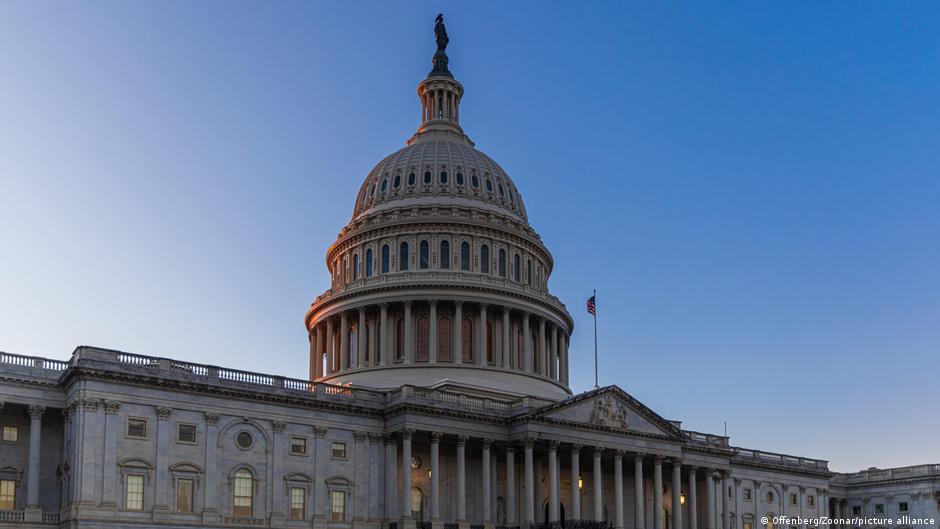
The United States Senate took a significant step on May 19 by advancing a resolution that would require President Donald Trump to cease military operations against Iran unless Congress explicitly authorizes such actions. This move, favored by a slim majority, marks a renewed effort to impose legislative checks on executive war powers, with potential implications for US foreign policy and the business environment.
Legislative Push for Congressional Oversight
In a procedural vote, 50 senators supported consideration of the resolution, while 47 opposed it. Notably, three Republican senators were absent due to their election campaigns, which could complicate achieving full Senate approval. This resolution aims to enforce compliance with the War Powers Act of 1973, which limits presidential military engagement without legislative consent to 60 days.
"This is the perfect time for discussion before we start another war again. The president receives peaceful and diplomatic proposals that he throws in the trash without sharing with us," said Senator Tim Kaine, a Democrat and sponsor of the procedural vote.
Previously, Republican lawmakers have blocked seven attempts to advance the resolution, underscoring partisan divides over war authority. The resolution was first brought to a vote in March amid rising tensions following US and Israeli military actions against Iran and has also faced opposition in the House of Representatives.
Implications for US Businesses and Foreign Policy
While the resolution primarily addresses the legal framework for military engagement, its passage could influence the geopolitical landscape affecting American companies operating in or trading with the Middle East. Renewed hostilities or sustained conflict with Iran have the potential to disrupt global energy markets, increase insurance and operational risks for shipping companies, and heighten political risk premiums.
US businesses, particularly in sectors reliant on stable oil supplies and global trade routes, are keenly observing these developments. Congressional efforts to constrain unilateral executive military actions could signal a more cautious US foreign policy approach, potentially favoring diplomatic solutions and reducing the likelihood of escalated conflict that could hurt economic interests.
Despite President Trump’s May 1, 2026, notification to Congress declaring an end to the war with Iran after the 60-day limit, US forces have reportedly continued activities such as blockades of Iranian ports and strikes on Iranian vessels. This ongoing military posture maintains uncertainty for global markets and US companies exposed to Middle East instability.
Looking Ahead
The Senate’s advancement of the resolution represents a call for greater balance between the executive and legislative branches in matters of war and peace. For American businesses, clearer congressional oversight may lead to more predictable foreign policy decisions, potentially stabilizing market conditions impacted by conflict risk.
As the resolution moves through the legislative process, its progress will be closely watched by Washington policymakers, investors, and industry leaders who weigh the cost of military conflict against economic stability and growth.