US Senate Confirms Jay Clayton as National Intelligence Director Amid Bipartisan Concerns
Jay Clayton’s appointment to lead the US intelligence community raises questions about experience and political implications for American businesses.
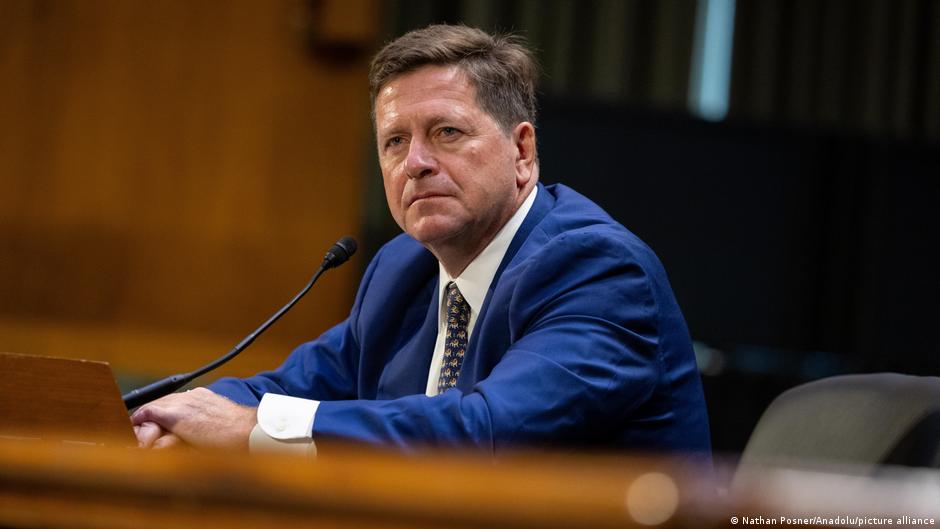
The United States Senate has confirmed Jay Clayton, former Southern District of New York (SDNY) prosecutor, as the Director of National Intelligence (DNI) in a closely contested vote. The confirmation passed with a 51-47 tally, with all Democrats opposing the nomination.
Clayton’s confirmation marks a significant appointment at a critical moment for US intelligence, overseeing a community comprising 18 agencies—including the CIA, NSA, and Defense Intelligence Agency (DIA). Despite his lack of direct experience in intelligence or national security, Clayton’s legal background and previous leadership roles were emphasized in his nomination by the Trump administration.
Political and Business Implications
Initially welcomed by Democrats as a preferable alternative to William Pulte, the acting DNI and former Federal Housing Finance Agency head, Clayton faced increased scrutiny during Senate hearings. Democratic senators repeatedly questioned him on the 2020 presidential election results, seeking clear acknowledgment that Joe Biden won legitimately. Clayton’s evasive responses contrasted with former President Donald Trump’s persistent claims of election fraud, which remain unsubstantiated.
“Clayton was ‘recognized’ as acknowledging Biden’s victory, but his reluctance to definitively affirm the election outcome raised concerns among Democrats,” said one senator during the hearings.
Clayton’s tenure as SDNY prosecutor since 2025 included overseeing high-profile cases, such as investigations into illegal drug trafficking linked to former Venezuelan leader Nicolás Maduro. His experience also spans leadership at the Securities and Exchange Commission (SEC) and private legal practice at Sullivan & Cromwell, a notable law firm. However, critics warn that his legal expertise may not fully prepare him for the complex demands of coordinating the US intelligence apparatus, especially amid heightened global cyber threats and geopolitical tensions.
The previous DNI, Tulsi Gabbard, resigned in May citing personal reasons, leading to Pulte’s acting appointment. Pulte’s short tenure was marked by controversial moves, including initiating transfers of intelligence files potentially relevant to criminal investigations against Trump’s political adversaries and implementing drastic staffing reductions—an estimated 30% cut in the intelligence coordination staff—raising bipartisan alarm over capacity and impartiality.
From a business perspective, Clayton’s leadership might influence the interplay between intelligence activities and American companies, particularly in areas such as cybersecurity, foreign investment screening, and regulatory enforcement. His background in securities regulation could signal increased attention to protecting US financial markets and critical infrastructure from foreign interference.
Given the strategic importance of the DNI role in safeguarding national security while supporting economic interests, Clayton’s appointment will be closely watched by Washington policymakers and business leaders alike. The Senate’s narrowly divided vote underscores the continuing political polarization surrounding intelligence oversight and its implications for US governance and private sector operations.