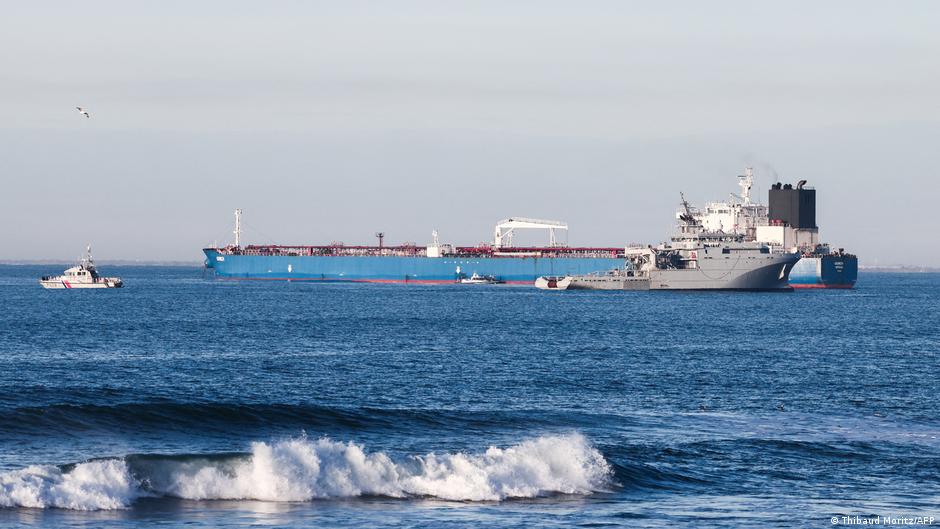
US Temporary Suspension of Sanctions on Russian Oil Expires Without Extension
Washington ends temporary relief on sanctions for Russian oil shipments amid geopolitical and market pressures.

The temporary US suspension of certain sanctions on Russian oil shipments has officially expired without renewal, signaling a tightening of Washington's stance amid ongoing geopolitical tensions and global energy market fluctuations.
According to the US Treasury Department's website, no announcement has been made regarding an extension of these sanctions relief measures that had allowed imports of Russian oil products already in transit by sea. Initially, US officials described these measures as "short-term" and narrowly targeted.
Background and Policy Implications
The sanctions relief, which expired on May 16, originated from a March 13 decision by the US Department of the Treasury. It permitted the import of Russian oil and related products already loaded onto tankers, aiming to alleviate energy price pressures sparked by the Ukraine conflict and other geopolitical disruptions affecting global energy supplies.
"These were specifically designed as narrowly targeted, short-term measures," former US Treasury Undersecretary Scott Bessent had stated regarding the initial 30-day relief period.
Bessent also confirmed that the administration would not renew licenses that authorized purchases of Russian oil already at sea.
The initial sanctions relief was set to last until April 11 but was later extended to May 16. However, with no further extensions announced, US businesses involved in oil trading and shipping must now navigate a more restrictive environment.
Impact on American Companies and Markets
The expiration of this temporary sanctions relief carries significant implications for American energy companies, maritime firms, and financial institutions that facilitated or were considering involvement in Russian oil shipments. With the reinstatement of full sanctions enforcement, these businesses face heightened regulatory risks and potential disruptions to supply chains.
Moreover, the move reflects Washington’s intent to maintain pressure on Russia’s energy export revenues, which have reportedly surged during the relief period. According to The New York Times and the International Energy Agency, Russia earned over $100 million daily in additional oil revenues during the sanctions relief window, nearly doubling its oil export income in March compared to February, reaching $19 billion.
US policymakers must balance the strategic objective of curtailing Russian energy financing with the domestic imperatives of stabilizing American energy prices and supply. The decision not to extend the sanctions relief indicates a prioritization of geopolitical considerations.
Looking Ahead for US Business and Policy
As sanctions enforcement tightens, American companies engaged in international oil trade and shipping should anticipate increased compliance demands and monitor further regulatory updates closely. The expiration could also influence global energy markets, potentially affecting fuel prices and supply security in the US and beyond.
Washington’s approach underscores the complex interplay between foreign policy aims and economic impacts on US firms, highlighting the ongoing challenges in navigating sanctions regimes amid global conflicts.