US Tightens Sanctions on Cuban Leadership, Impacting Key Figures Including President Diaz-Canel
Washington expands economic pressure on Cuba targeting its president and Raul Castro's family amid escalating bilateral tensions.
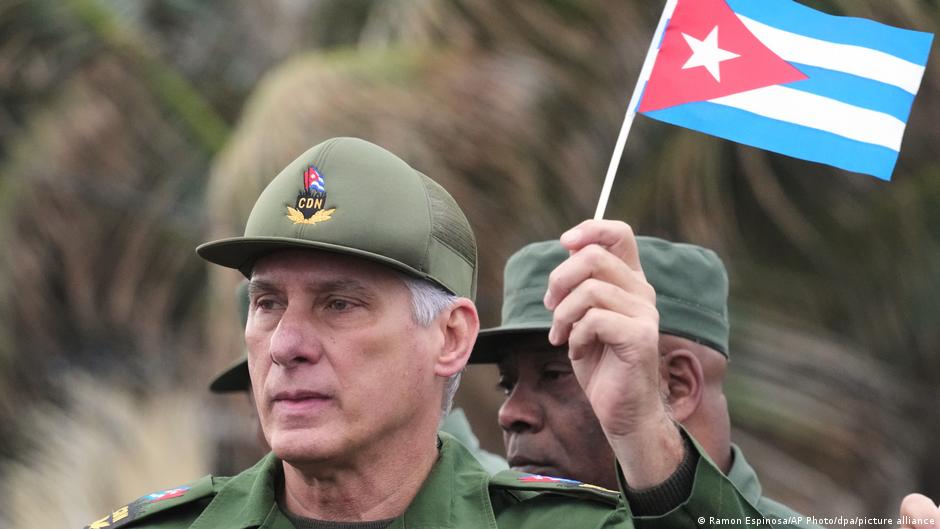
The United States has intensified its economic sanctions against Cuba, broadening restrictions to include Cuban President Miguel Diaz-Canel and members of former leader Raul Castro's family. This move is part of Washington's sustained pressure campaign amid deteriorating diplomatic relations with Havana.
Expanded Sanctions Target Cuba's Political Elite
On June 4, the White House announced new financial sanctions targeting not only President Diaz-Canel but also his wife and stepson. Additionally, the sanctions extend to Raul Castro's son and one of his grandchildren. These measures come after the US State Department initially sanctioned Diaz-Canel last July, reflecting a continuing escalation in punitive actions.
"These sanctions are intended to apply pressure on Cuba’s leadership amidst ongoing concerns about human rights and governance," a US official noted.
Raul Castro, brother of revolutionary icon Fidel Castro, though no longer holding an official government position, remains a significant figure in Cuba’s political decision-making. Notably, US authorities recently charged him with involvement in the 1996 bombing of two civilian aircraft, which resulted in four deaths.
Broader Context and Implications for US Business
Washington's move builds on months of heightened tensions, with Cuban officials accusing the US of seeking pretexts for potential military intervention. Meanwhile, former President Donald Trump publicly threatened to "take control" of the island. The longstanding US embargo on Cuba, in place since 1962, continues to severely restrict American companies from engaging with the Cuban market.
Cuba’s geographic proximity to the US, just about 145 kilometers from Florida’s southern tip, underscores the strategic importance of these sanctions. The island is currently experiencing the most severe economic crisis since the fall of the Soviet Union, marked by widespread power outages and fuel shortages.
The crisis deepened after US military forces detained Venezuelan President Nicolas Maduro and transferred him to the United States earlier this year. Following this, Venezuela, which historically was Cuba’s main oil supplier, ceased petroleum shipments to the island. This has further exacerbated Cuba's economic hardships and complicates any potential trade or investment opportunities for American businesses.
For US companies, the sanctions reinforce the barriers to entering or expanding in the Cuban market. The expanded blacklist of Cuban officials and their families limits the scope for transactions that might indirectly benefit these individuals, increasing compliance risks. This environment fosters uncertainty for sectors such as energy, telecommunications, and tourism, where potential engagement could have been considered if political conditions improved.
With the Biden administration continuing some of the previous administration's hardline policies, American businesses face a complex landscape in Cuba. The geopolitical tensions and legal restrictions present significant challenges to any bottom-line benefits from Cuba’s market potential.



