Uzbek Football Club Paxtakor Posts $4.5 Million Loss in 2025, Raises Concerns for U.S. Investors
Paxtakor football club’s significant financial losses and growing tax debt underscore risks for American companies eyeing partnerships in Central Asia’s sports sector.
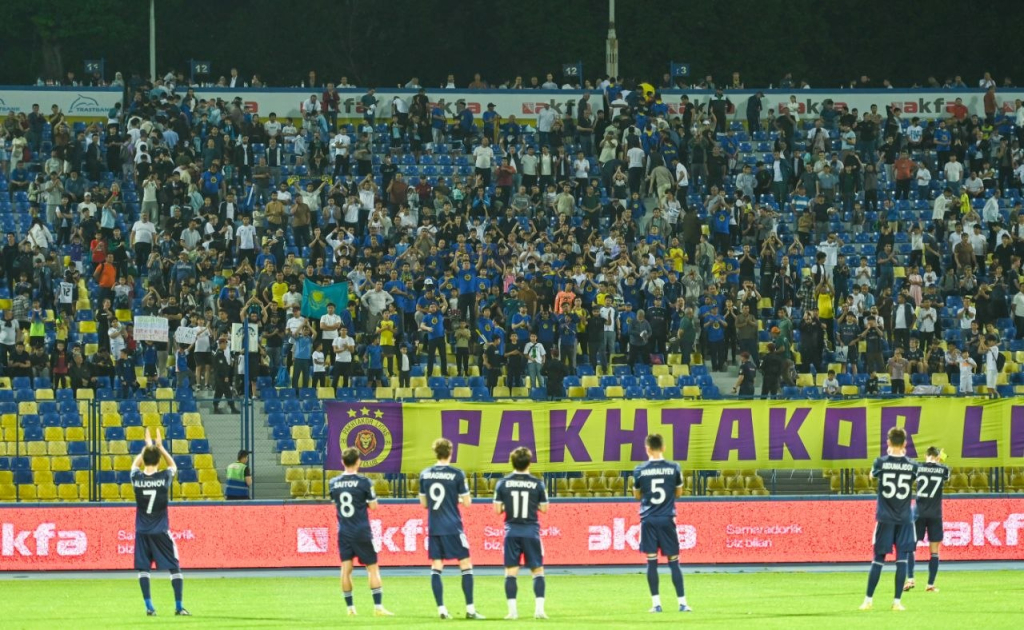
Uzbekistan’s leading football club, Paxtakor Tashkent, reported a staggering loss exceeding 50 billion Uzbek soums (approximately $4.5 million) for the fiscal year 2025, according to the club’s recently released financial statements. Alongside this, the club revealed a considerable tax debt surpassing 17 billion soums, raising concerns among U.S. businesses and investors monitoring the region’s evolving sports and entertainment markets.
Financial Overview and Implications for U.S. Businesses
Despite generating a total revenue of nearly 79 billion soums during 2025—including 15.3 billion soums from core operations and an additional 63.6 billion soums from other income sources—Paxtakor’s expenditures ballooned to 128.9 billion soums, culminating in a net loss of 50.8 billion soums. This marks a sharp reversal from 2024 when the club posted a net profit of 36.9 billion soums, breaking a long-standing trend of losses.
From a U.S. business perspective, these figures spotlight the financial volatility inherent in Uzbekistan’s state-affiliated sports entities. American companies contemplating partnerships, sponsorships, or investments in Central Asian sports clubs may face heightened risks due to opaque financial management and government-linked operational challenges.
“The 2025 financial results of Paxtakor demonstrate the complexity and unpredictability of investing in state-run sports organizations in Uzbekistan, signaling caution for U.S. stakeholders eyeing entry into the region.”
Paxtakor’s current tax liabilities stand at 17.1 billion soums, despite having paid about 11 billion soums in taxes during 2025. This growing fiscal burden reflects structural challenges in revenue generation and financial compliance within the club’s operational framework.
It is important to note that Paxtakor is fully owned by the Tashkent city administration, with the club’s chairman being Jahongir Ortiqxo‘jayev, a prominent businessman and former mayor of the city. The government’s involvement plays a critical role in the club’s financial decisions and future outlook.
Privatization and Investment Outlook
In early 2024, the State Asset Management Agency announced plans to privatize Paxtakor, sparking interest in potential private sector investment opportunities. However, no concrete agreements or sales have been reported since the initial announcement.
Interestingly, Ortiqxo‘jayev has publicly expressed a desire to develop the club further but has opposed paying even a nominal fee for the privatization, indicating potential resistance to private ownership models. This stance could dampen opportunities for U.S. firms seeking direct operational involvement or ownership stakes in the club.
From 2026 onward, Uzbekistan’s Super League participants are slated to receive state funding starting at 35 billion soums per club, with planned gradual reductions to encourage financial independence. By 2028, annual state subsidies are expected to reduce to 25 billion soums per club, aiming to incentivize clubs to diversify revenue streams and adopt sustainable business models.
For U.S. investors and corporate partners, these shifts highlight the strategic importance of understanding local government policies and the timeline for fiscal transitions in Uzbekistan’s sports sector. The gradual withdrawal of state funding could open avenues for private investment but also introduces new financial risks for clubs currently reliant on government support.
Conclusion: Navigating Risks and Opportunities
Paxtakor’s financial performance in 2025 serves as a cautionary tale for U.S. businesses considering engagement in Uzbekistan’s sports industry. While the region offers untapped market potential, especially as Central Asia modernizes its sports infrastructure and seeks greater private investment, companies must carefully assess governance, financial stability, and political influence factors.
Understanding these dynamics is crucial for mitigating risks and capitalizing on emerging opportunities within Uzbekistan’s evolving football landscape and broader sports economy.