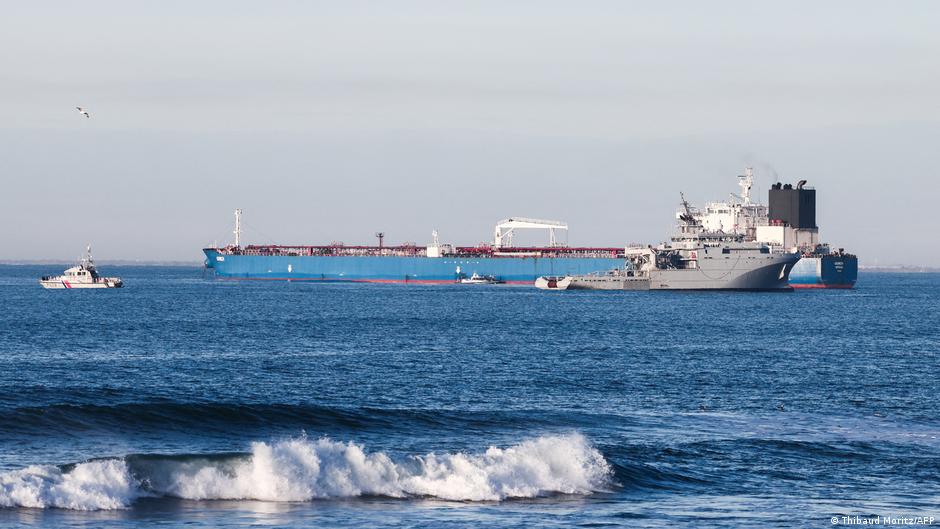
Uzbekistan's Rising Meat Imports Signal Challenges for US Agricultural Exports
Uzbekistan's growing reliance on imported meat amid domestic production slowdown affects global markets and US exporters.
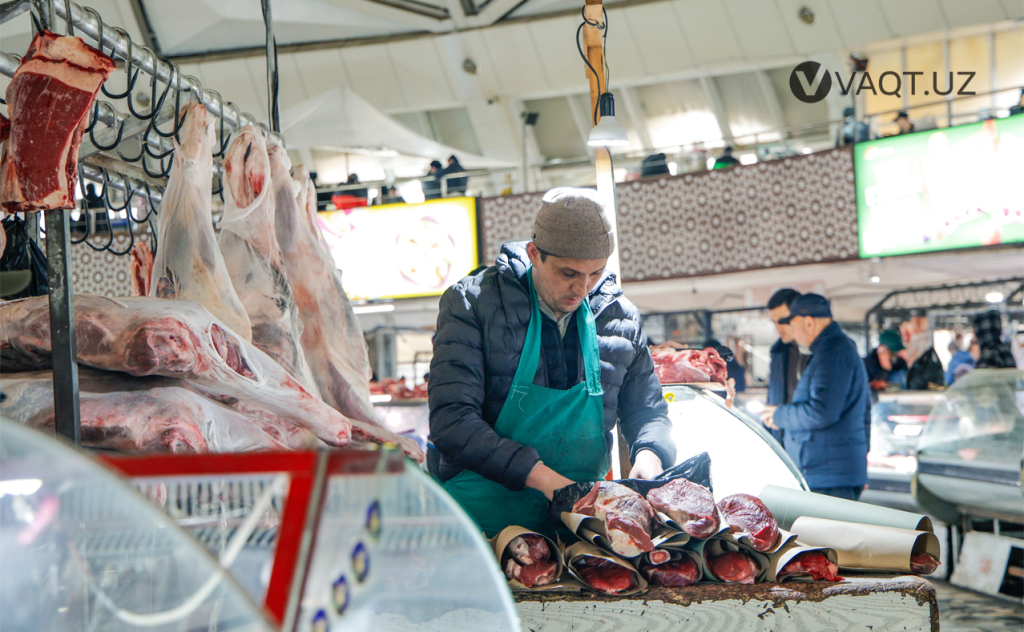
Uzbekistan has significantly increased its meat imports in early 2026, purchasing $320.6 million worth of meat products from abroad—an increase of 62.8% compared to the same period in 2025. This surge reflects a slowdown in domestic meat production and growing dependence on higher-priced foreign meat, posing important implications for international suppliers, including American agribusinesses.
Rising Import Volume and Prices
According to Uzbekistan's Customs Committee data, from January through April 2026, the country imported approximately 98,000 tons of meat products, a 36.6% increase in volume from last year. The largest share of imports is beef, totaling nearly 49,850 tons, followed by chicken at 22,700 tons.
Notably, Uzbekistan is paying substantially more for imported meat due to global supply chain disruptions, inflation, and geopolitical uncertainties. Beef prices escalated from $4.07 per kilogram in 2025 to $4.80 in 2026, while lamb prices nearly tripled from $1.03 to $2.87 per kilogram. Chicken prices remained relatively stable, fluctuating slightly from $1.22 to $1.20 per kilogram.
"Uzbekistan's growing reliance on imported meat amid domestic production challenges highlights potential opportunities and risks for US exporters seeking entry or expansion in Central Asian markets."
Impact on Domestic Production and Market Demand
Despite an overall increase of 2.9% in domestic meat production in the first quarter of 2026, reaching 580,200 tons, growth has slowed compared to previous years. The slower pace is attributed to rising feed costs for livestock, which have dampened meat output particularly among small-scale farmers and household producers.
The Uzbek government and Central Bank data indicate that domestic meat prices have surged sharply in 2025, with beef prices rising by almost 24%, boneless beef by 25%, and lamb by nearly 27%. By March 2026, annual price growth remained elevated: beef at 15.1%, boneless beef 15.5%, and lamb at 18.2%. Retail prices have climbed to as high as 200,000 Uzbek soms per kilogram in markets and 259,000 soms in supermarkets.
Implications for US Agribusiness and Policy
The upward trajectory of Uzbekistan's meat imports and domestic price inflation presents both challenges and opportunities for US agricultural exporters. As Uzbekistan continues to struggle with meeting domestic meat demand due to production constraints, American beef, lamb, and poultry producers could find increased demand for their products in the Central Asian market.
However, the complex global logistics environment and inflationary pressures may affect the competitiveness and profitability of US meat exports. Additionally, US policymakers must consider how strengthening trade relations with emerging markets like Uzbekistan aligns with broader geopolitical strategies in Central Asia.
Given the trend of rising meat import costs and the persistent gap between supply and demand in Uzbekistan's domestic market, US companies might explore partnerships, investments, or export agreements to capitalize on this growing opportunity. Simultaneously, monitoring regional developments will be essential to mitigate risks stemming from supply chain volatility and regulatory shifts.
In conclusion, Uzbekistan's increasing meat import dependence underscores a critical juncture in its agricultural sector that holds meaningful implications for US businesses aiming to expand in global markets.