BBC to Cut 10% of Workforce Amid Industry Shift and Financial Pressures
BBC announces plans to reduce jobs by up to 2,000 as it accelerates digital transformation in response to declining revenues and evolving media consumption.
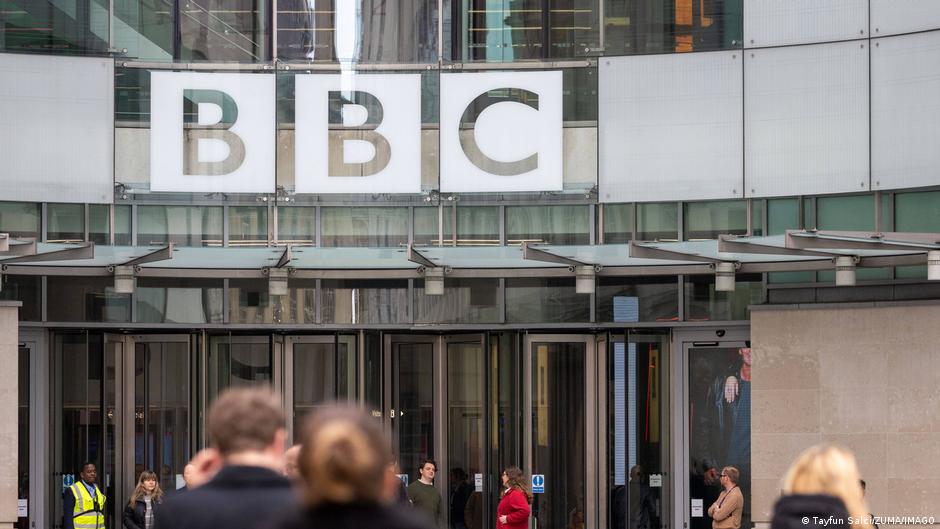
The British Broadcasting Corporation (BBC) is preparing to reduce its workforce by approximately 10% over the next two years, signaling a significant restructuring driven by financial challenges and the ongoing digital transformation of the media industry. The broadcaster plans to cut between 1,800 and 2,000 jobs as part of a broader strategy aimed at streamlining operations and prioritizing digital platforms.
Financial and Industry Pressures Reshape the BBC
BBC Director-General Rhodri Talfan Davies has confirmed that the corporation faces "substantial financial pressure," necessitating operational cost cuts totaling around £500 million (approximately €575 million). The majority of these savings are expected to materialize in the 2027-2028 fiscal years, highlighting the long-term nature of the restructuring effort.
"The BBC must adapt to a rapidly changing media environment marked by technological innovation and shifting consumer habits," said Davies.
The workforce reductions come amid a prolonged crisis in traditional media, intensified by the rapid adoption of artificial intelligence technologies and evolving audience consumption patterns. Since 2017, the BBC has seen a 24% decline in revenue from the television license fee—a key source of public funding paid by UK households. This revenue decrease reflects broader challenges to public funding models and the sustainability of legacy media institutions.
Concurrently, the BBC faces intensified competition from global streaming services and online platforms that offer subscription-based access to vast content libraries. These competitors have transformed consumer expectations, forcing traditional broadcasters to rethink their strategic positioning.
Strategic Pivot Towards Digital Innovation
In response to these pressures, the BBC plans to overhaul its organizational structure with a clear emphasis on investing in digital platforms and innovative content formats. This includes expanding its streaming service, iPlayer, and developing news applications optimized for online consumption. The corporation intends to reduce reliance on certain traditional television and radio channels in favor of digital-first services.
This strategic reorientation will have significant implications for the BBC’s workforce composition and skill requirements, reflecting a media industry-wide trend of balancing legacy operations against the demands of a digital-first audience.
The BBC’s experience highlights vulnerabilities in the license fee funding model, unique to the UK public broadcasting system. As younger audiences migrate away from traditional broadcast consumption, the model’s sustainability is increasingly in question. The broadcaster’s challenges mirror global transformations in the media economy where long-established institutions are compelled to innovate rapidly to maintain relevance and financial viability.
For U.S. businesses and policymakers, the BBC’s restructuring provides a cautionary example of how legacy media organizations must adapt to disruptive technological and consumer shifts. American firms in broadcasting and content distribution face similar pressures from digital streaming competitors and evolving monetization models.
Moreover, the BBC’s experience with public funding challenges offers insight into the potential difficulties of sustaining publicly financed media operations in an era dominated by private streaming giants like Netflix and Disney+. This dynamic has implications for U.S. cultural policy debates and regulatory approaches to media ownership and competition.
Ultimately, the BBC’s planned workforce reductions and strategic pivot underscore the complex interplay between innovation, consumer behavior, and fiscal constraints shaping the future of media globally.