Belarus Advises Citizens to Avoid Travel to Russia Amid Cross-Border Drone Attacks
Belarusian officials warn of safety risks for travelers to Russia’s border regions amid ongoing Ukraine conflict and drone strikes.
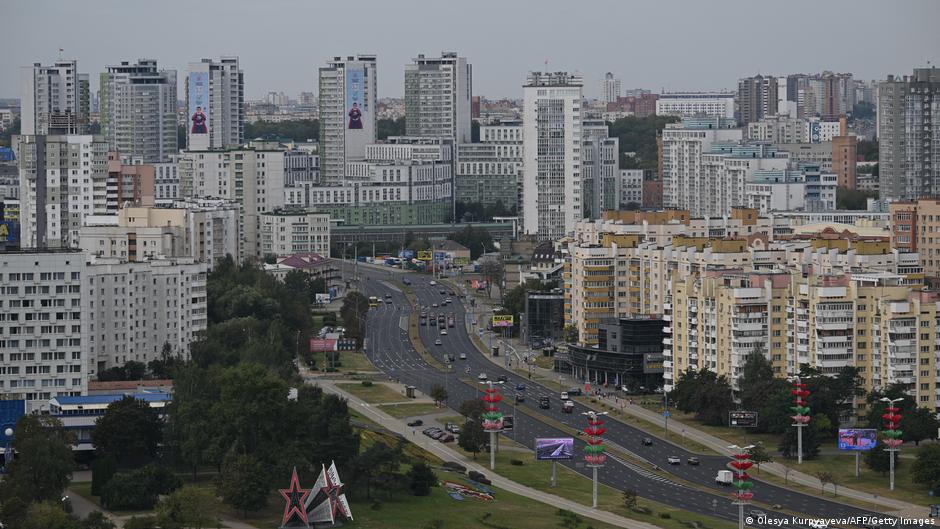
Belarusian authorities have issued a strong advisory urging their citizens to refrain from traveling to Russia, particularly to regions near the border, due to escalating security risks amid the ongoing war in Ukraine. Alexander Volfovich, Secretary of Belarus's Security Council, emphasized that no assurances can be provided regarding traveler safety until the conflict ends.
Security Concerns Impact Regional Stability and Business Ties
Volfovich's statement came following a series of drone attacks reported by Russian officials targeting buses carrying Belarusian citizens in Russia’s Bryansk region near the border. The incidents have raised concerns over cross-border security, complicating the already tense geopolitical landscape that affects economic and transport links between Belarus and Russia.
"We have repeatedly warned citizens, including through our President, to avoid traveling to Russia’s border areas where drone strikes occur daily," Volfovich stated. "We have not closed the border; the decision to travel remains with each individual, but the risk is undeniable."
One notable attack on June 17 involved a bus transporting a Belarusian children’s football team traveling from Gomel to a resort in Gelendzhik on the Black Sea. The strike resulted in the death of a female chaperone and injuries to six others, including four children. Both Belarusian and Russian governments blamed Ukrainian forces, which Kyiv denied, dismissing the allegations as Kremlin propaganda.
Further incidents have exacerbated concerns. On July 2, another bus traveling from Minsk to Anapa in Russia was targeted by a drone attack in Bryansk. Three individuals, including two drivers and a passenger, were hospitalized, while the rest of the 18 passengers escaped unharmed. The regional Russian authorities again attributed the attack to Ukrainian military actions.
Volfovich highlighted that the targeted buses were not part of organized tours or official groups but private travelers. He cautioned that despite the appeal of vacationing in Russian coastal areas, these private journeys carry significant risks under current conditions.
From a Washington perspective, these developments present additional challenges for U.S. businesses operating in or with interests in the region. The increased instability along Belarus-Russia borders could disrupt logistics and supply chains, particularly for American companies relying on regional transit routes. The advisories and attacks underscore the complicated environment for corporate risk management amid the conflict.
Moreover, the international dispute over responsibility for the strikes fuels geopolitical tensions that could further impact sanctions regimes, trade, and diplomatic relations relevant to U.S. economic and security policies.
Belarus offers alternatives for domestic tourism, as Volfovich suggested, but the sustained conflict and risk of spillover violence remain critical factors for multinational enterprises, investors, and policymakers monitoring Eastern European stability.