Continued Russian Strikes in Ukraine Result in Civilian Casualties and Infrastructure Damage
Russian missile and drone attacks on multiple Ukrainian regions cause deaths and injuries, raising concerns for US businesses with regional interests.
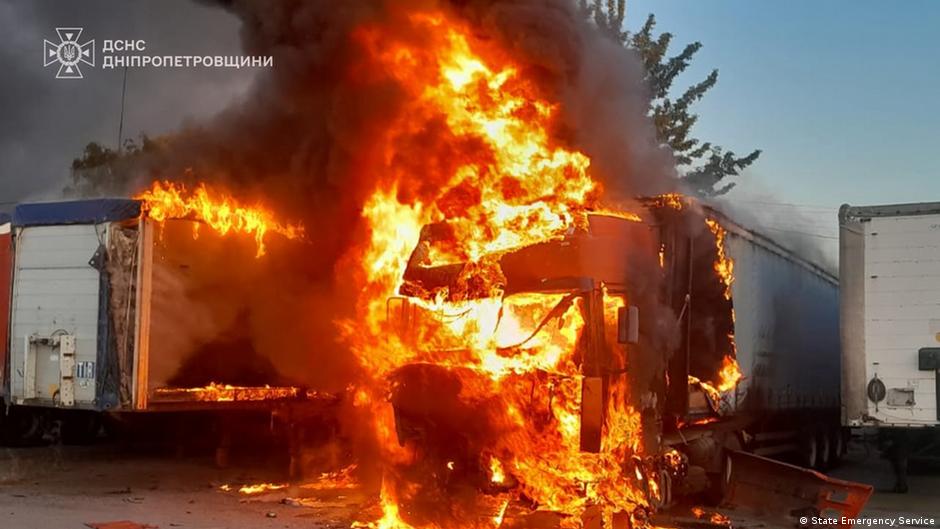
On July 2, Russia launched a series of missile and drone strikes across several Ukrainian regions, following a deadly nighttime attack on Kyiv that marked the war's deadliest incident to date. The attacks targeted civilian and critical infrastructure sites in Kherson, Zaporizhzhia, Dnipropetrovsk, Mykolaiv, Kharkiv, Sumy, and Donetsk regions, resulting in multiple fatalities and injuries.
Impact Across Key Ukrainian Regions
In Kherson, a missile strike hit a civilian vehicle killing a 41-year-old man, according to the head of the regional military administration. A separate attack on a medical facility claimed the life of a 63-year-old doctor and injured a nurse. Additional casualties were reported, including a local resident who died after encountering explosives while mowing grass. Drone raids continued late into the evening, including strikes near the Kherson oil refinery, a critical asset for regional energy supply and economic stability.
Zaporizhzhia saw attacks on a residential building, a warehouse of a retail outlet, a New Post sorting center, and a sports facility. Seven individuals were injured, including children aged six to sixteen. These attacks disrupt civilian life and logistics operations, impacting supply chains and local commerce.
In Dnipropetrovsk region, two people died, including a seven-year-old girl, and nine others were wounded, including children. Approximately 40 strikes involving drones, artillery, aerial bombs, and missiles hit various targets: multi-story residential buildings, private homes, a gymnasium, and vehicles. This level of sustained bombardment threatens the region’s industrial and educational infrastructure.
Mykolaiv experienced drone attacks in the vicinity of a gas station, causing one death and injuring seven others. Buildings, including gas stations, private homes, and vehicles, were damaged. Kharkiv also suffered missile strikes on a residential high-rise and a gas station, resulting in injuries to three people and damage to automobiles.
Sumy was hit by three precision-guided aerial bombs, with eleven people seeking medical assistance, including three children. A local school located in a residential area sustained significant damage, though children were not present at the time. Two staff members were injured. Additionally, a drone attack targeted a postal vehicle, wounding both the driver and a postal worker.
In Donetsk's Kramatorsk, a drone strike injured one person when their vehicle was hit. This continued pattern of attacks across civilian and logistical targets underscores the ongoing instability in eastern Ukraine.
"The scale and intensity of these attacks on civilian infrastructure and essential services present ongoing risks not only to Ukraine’s population but also to the stability of regional markets and investments," noted a security analyst.
Implications for US Businesses and Washington
The sustained Russian offensives in multiple Ukrainian regions have direct and indirect consequences for American companies and policymakers. Ukraine's industrial hubs and transport infrastructure are vital for supply chains, particularly in sectors such as agriculture, manufacturing, and energy. Damage to ports, logistics centers, and energy facilities disrupts exports and imports that US businesses rely on or compete within.
Moreover, the attacks on civilian areas and critical infrastructure contribute to prolonged instability, increasing operational risks for American firms with investments or partnerships in the region. Washington faces pressure to balance diplomatic engagement and military support to safeguard US economic and strategic interests while managing the humanitarian fallout.
As the conflict continues, US policymakers must assess how ongoing violence affects global markets, energy prices, and transatlantic security cooperation. The destruction of industrial capacity and transport networks in Ukraine could delay reconstruction efforts and dampen economic recovery, impacting American companies involved in rebuilding or supply chains.
In this context, the recent Russian strikes underline the complexity of the conflict’s impact beyond the battlefield, posing challenges for US businesses operating in or connected to Eastern Europe and highlighting the importance of sustained US support for Ukraine’s sovereignty and economic resilience.