Russian Drone and Missile Strikes on Ukraine Decline in June Amid Supply Concerns
Data shows a 29% drop in Russian drone strikes and 15% fewer missile attacks on Ukraine in June, raising questions about implications for US defense interests.
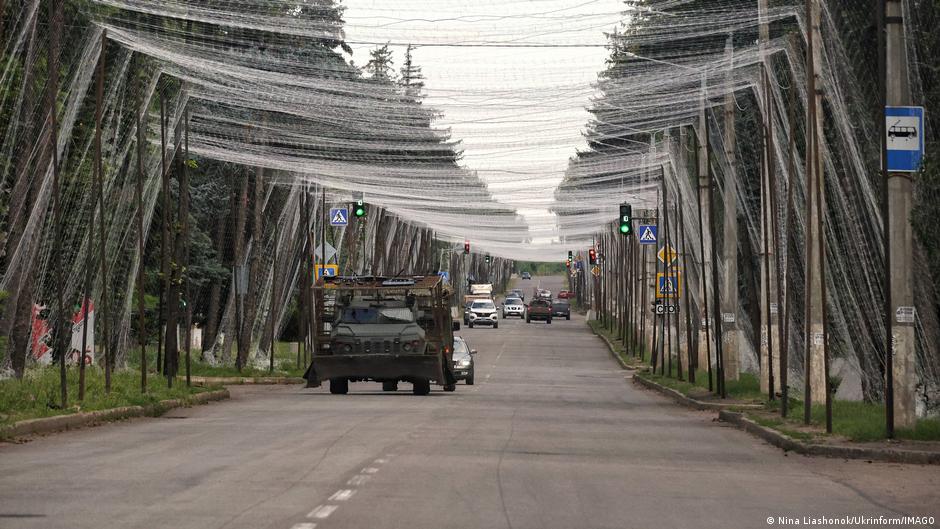
In a significant development during the ongoing conflict in Ukraine, Russian attacks using drones and missiles decreased notably in June compared to May, according to analysis based on Ukrainian Air Force data. The reduction—29% fewer drone strikes and 15% fewer missile attacks—may influence Washington’s strategic calculations and the operational landscape for American defense contractors supporting Ukraine.
Details of the Decline and Possible Causes
In May, Russia launched an unprecedented 8,150 drone strikes and 211 missile attacks against Ukraine, the highest monthly totals since the full-scale invasion began in February 2022. However, in June, these numbers dropped to 5,749 drone strikes and 180 missile attacks.
"While the decline in Russian strikes might suggest a shift, experts warn it could be a temporary pause rather than a new trend," analysts indicate.
Industry observers and military analysts suggest several potential explanations for this decline. One is a possible strategic pause by Russia, possibly to rebuild stockpiles ahead of an expected military push in the autumn. Another factor may be supply chain challenges, as Iran’s deliveries of Shahed drones have reportedly been disrupted amid tensions with the United States and Israel, raising concerns about the robustness of Russia’s unmanned aerial vehicle (UAV) supply lines.
Additionally, analysts point to signs of strain within Russia’s military-industrial complex, potentially affecting production and deployment capabilities. These setbacks could have implications for US defense engagement, as the ongoing conflict has spurred increased demand for American-made weaponry and intelligence support.
Impact on US Businesses and Washington’s Strategic Response
The ebb in Russian strikes comes as Ukraine intensifies its counterattacks targeting Russian fuel infrastructure, including refineries, storage facilities, and ports. These efforts have reportedly led to significant fuel shortages inside Russia, further complicating Moscow’s logistical capabilities.
Moreover, Ukrainian forces have targeted key defense industry sites within Russia, such as the Voronezh semiconductor plant, which manufactures electronics for advanced missile systems like the Iskander. This focus on critical infrastructure underscores the evolving nature of the conflict and highlights the importance of advanced technology and supply chains—a sector where US companies play a pivotal role.
From a Washington perspective, these developments underscore the importance of sustained military and intelligence support to Kyiv, ensuring that Ukraine can maintain pressure on Russian forces while managing supply challenges. The apparent vulnerabilities in Russian drone and missile operations may influence US defense contractors’ production priorities and investment decisions, particularly in unmanned systems, electronic warfare, and precision weaponry.
Furthermore, the data signals the potential for shifting battlefield dynamics that could alter the timeline and nature of US involvement, aid packages, and sanctions policies. The US administration and Congress will likely continue monitoring these trends closely to adapt strategies supporting Ukraine’s defense and protecting American security interests.
In sum, while the reduction in Russian attacks in June could be temporary, it offers a glimpse into the complex interplay of military capability, supply chain pressures, and strategic decision-making—factors with direct implications for US business and policy planning amid the protracted conflict.