US Extends Sanctions License for Serbian Oil Company NIS Amid Gazprom Stake Sale Delays
Washington grants another 30-day operational license to NIS, allowing continued activity despite sanctions linked to Gazprom's ownership stake.
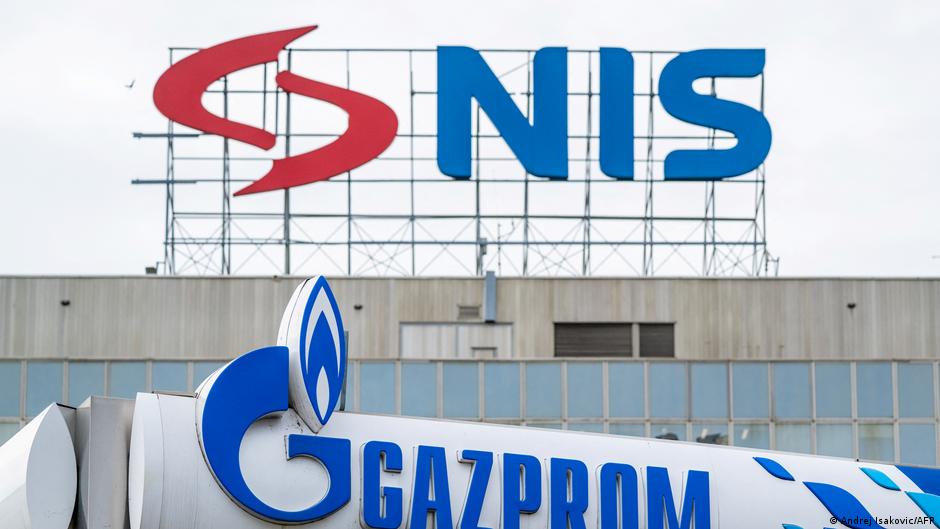
The United States has once again extended a temporary license permitting the Serbian oil company Naftna Industrija Srbije (NIS) to operate under U.S. sanctions related to its Russian ownership. This extension, granted for an additional 30 days starting in July 2026, reflects ongoing delays in the mandated sale of Gazprom's controlling stake in NIS.
Sanctions and Strategic Interests at Play
NIS was added to the U.S. sanctions list in January 2025 due to Gazprom's ownership interests, which include a 44.9% stake held by Gazprom Neft and an additional 11.3% via Gazprom's investment division. The U.S. government demands the complete divestiture of Gazprom's 56% combined stake to reduce Russian influence over the Serbian energy sector.
"The Pančevo refinery continues to process crude oil," said Serbian Energy Minister Dubravka Đedović-Hadžović, citing information from the U.S. Treasury's Office of Foreign Assets Control (OFAC).
The sanctions have had a notable impact on regional energy supply chains, including the cessation of crude oil deliveries through the Adriatic pipeline (JANAF) via Croatia and temporary halts in refinery operations at Pančevo, a critical facility supplying 80% of Serbia's gasoline and diesel demands and over 90% of its jet fuel and heavy fuel oil.
In an effort to comply with U.S. sanctions, the Hungarian oil and gas company MOL signed an agreement on January 19, 2026, to purchase Gazprom's shares in NIS. The initial deadline for completing the transaction was May 22, 2026, but OFAC has granted multiple extensions, indicating ongoing complexities in finalizing the deal.
Implications for US Business and Policy
The continuing extensions of NIS's operating license amid sanctions enforcement pose significant questions for U.S. foreign policy and commercial interests. The delay in Gazprom's stake sale prolongs Russian control over a key energy asset in Southeast Europe, complicating Washington's efforts to reduce Russian leverage in the region.
For American energy companies and investors, the protracted situation underscores the challenges of enforcing sanctions without disrupting vital energy supplies and destabilizing regional markets. It also highlights the balancing act between geopolitical objectives and protecting the interests of U.S. businesses engaged in global energy trade.
As the deadline for the divestiture approaches, U.S. policymakers will need to reassess the impact of continued license extensions on the integrity of sanctions regimes and their broader strategic goals in Eastern Europe.



