France Tightens Visa Issuance for Russian Citizens Impacting US Business Travel
France follows Italy, Spain, and Hungary in restricting visa access to Russians, affecting American companies relying on European-Russian travel.
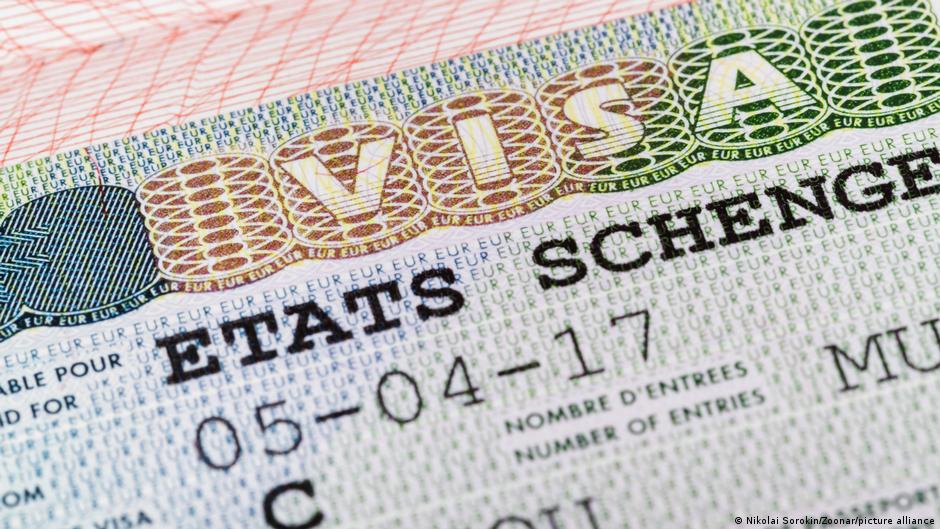
France has announced stricter visa issuance rules for Russian citizens, joining Italy, Spain, and Hungary in tightening access to Schengen visas. This regulatory shift, effective from July 15, 2023, requires Russian applicants to submit visa documents in person or through close relatives, eliminating acceptance of notarized proxies.
Implications for US Businesses and Transatlantic Relations
The new French visa rules mandate that applicants can only submit documents by personal appearance, or through immediate family members such as spouses, parents, or children under 18, provided that original proof of kinship is presented. Additionally, biometric data collection is compulsory for all applicants over 12 years old and must have been performed within 59 months before applying.
"The tightening of visa procedures in major EU member states signals increased barriers for Russian nationals seeking entry, complicating travel logistics for American firms operating in Europe and Russia."
These developments follow similar moves by Italy and Spain, where visa processing times have surged to 60 and 45 days respectively, due to heightened demand and more stringent vetting processes. Hungary has further restricted access by suspending visa applications in select Russian cities including Samara, Ufa, and Kazan.
For US businesses, particularly those in sectors reliant on cross-border mobility such as technology, manufacturing, and energy, these visa constraints pose significant operational challenges. American companies engaged in partnerships or supply chains that span Russia and Europe may face delays in personnel movements, impacting project timelines and bottom-line results.
Moreover, the shift signals a broader geopolitical tightening by EU states in response to the evolving conflict in Ukraine and related sanctions policies. This constriction of travel corridors complicates business engagements and may encourage US firms to reconsider their strategic presence or investment approaches in Russian and European markets.
American decision-makers and corporate travel managers should anticipate prolonged visa processing periods and adhere strictly to updated procedural requirements to mitigate disruption. The necessity of in-person biometric submissions and direct applicant involvement underscores the need for enhanced planning and resource allocation for executive travel.
In summary, France’s move to restrict visa issuance to Russians exemplifies a growing European trend that bears direct consequences on US business operations, emphasizing the intertwined nature of international mobility policies and global commerce.